
Deciding between an electric vehicle (EV) and a traditional internal combustion engine (ICE) car involves more than just the sticker price. As we navigate 2026, the question of which is truly cheaper to own over the long haul has become increasingly complex, with evolving technologies, market dynamics, and energy costs reshaping the automotive landscape.
This analysis delves into the multifaceted financial considerations that influence the total cost of ownership for both EV and ICE platforms, moving beyond initial purchase to examine the ongoing expenses that accumulate over years of driving.
Initial Investment & Incentives
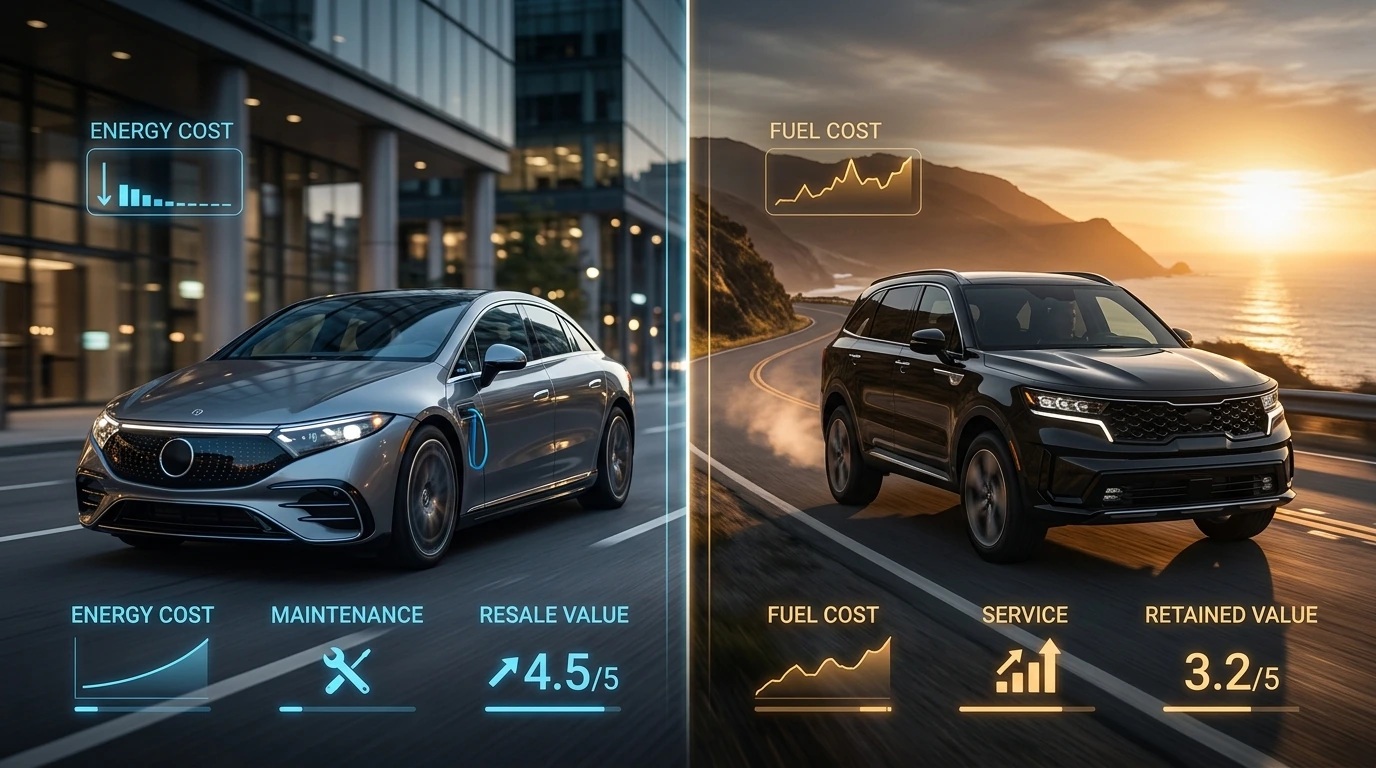
The upfront cost of an electric vehicle has historically been a significant barrier for many consumers. While this gap has narrowed considerably by 2026, EVs generally still command a higher purchase price than comparable ICE models. However, this initial difference is frequently offset by a range of government incentives designed to accelerate EV adoption.
Federal, state, and local incentives can take various forms, including tax credits, rebates, and even preferential loan rates. These programs can significantly reduce the effective purchase price of an EV, making them more competitive. For instance, many regions continue to offer tax credits for new EV purchases, sometimes reaching several thousand dollars, provided specific manufacturing and battery sourcing criteria are met. It's crucial for prospective buyers to research the specific incentives available in their area, as these can dramatically alter the initial financial outlay.
Fueling the Future: Energy Costs Compared
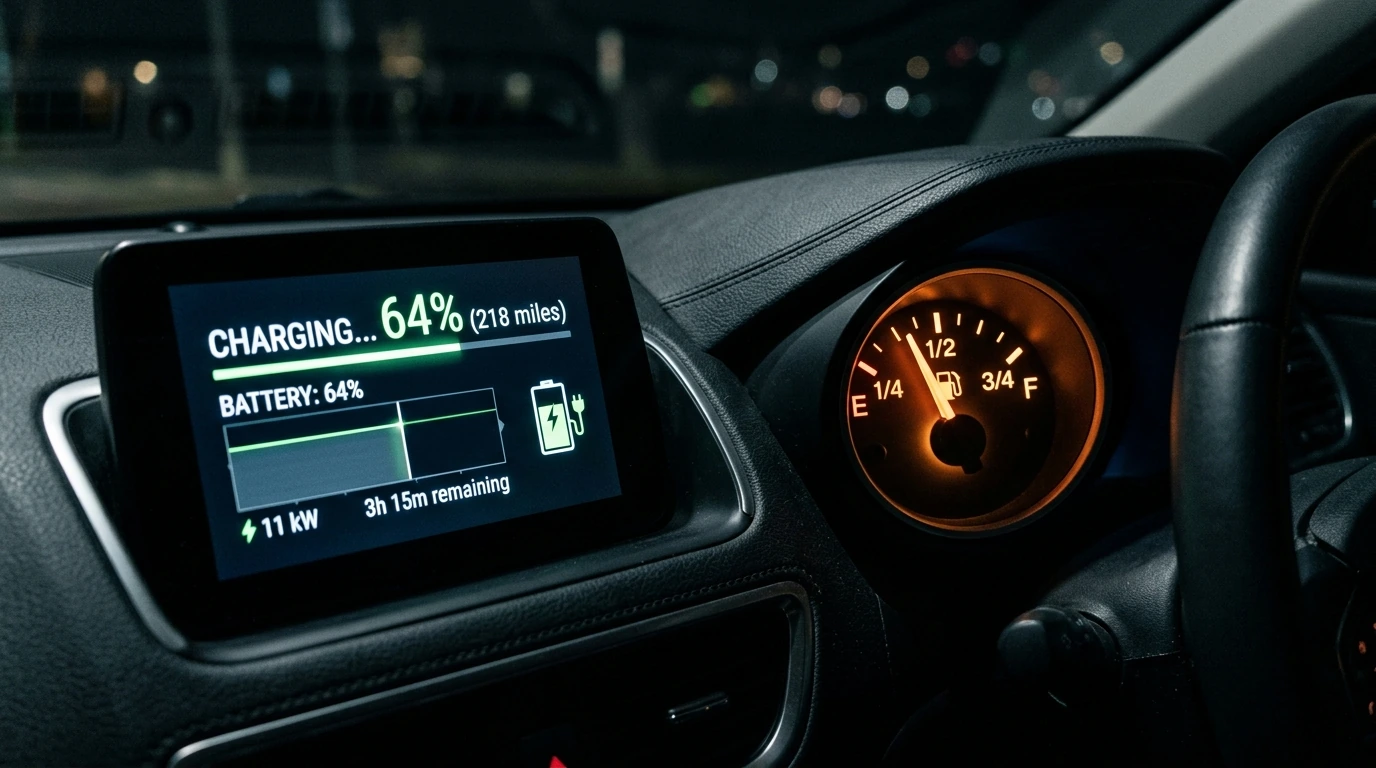
The most tangible ongoing cost difference lies in fueling. Gasoline prices fluctuate based on global supply and demand, geopolitical events, and regional taxes, making them inherently volatile. Electricity costs, while also variable by region and time of day, tend to be more stable and predictable for most residential users, especially with home charging.
For an EV owner, charging at home during off-peak hours can be substantially cheaper than public fast charging. The average cost of electricity per mile for an EV is widely reported to be significantly lower than the average cost of gasoline per mile for an ICE vehicle. For example, a typical compact EV might consume around 0.3 kWh per mile, while a comparable ICE car might achieve 30 miles per gallon. With national average electricity prices around $0.16/kWh and gasoline at $3.50/gallon (typical reported values for 2026), the savings quickly add up.
| Cost Factor | Electric Vehicle (EV) | Internal Combustion Engine (ICE) |
|---|---|---|
| Purchase Price (Before Incentives) | Generally higher | Generally lower |
| Government Incentives | Often significant (tax credits, rebates) | Rarely available for new purchases |
| Fuel Cost per Mile | Lower, more stable (electricity) | Higher, volatile (gasoline) |
| Home Charging Infrastructure | Initial investment for Level 2 charger (approx. $500-$2000 installed) | Not applicable |
| Public Charging/Fueling Access | Growing network, varied pricing | Widespread, consistent pricing per gallon |
The Maintenance & Longevity Equation
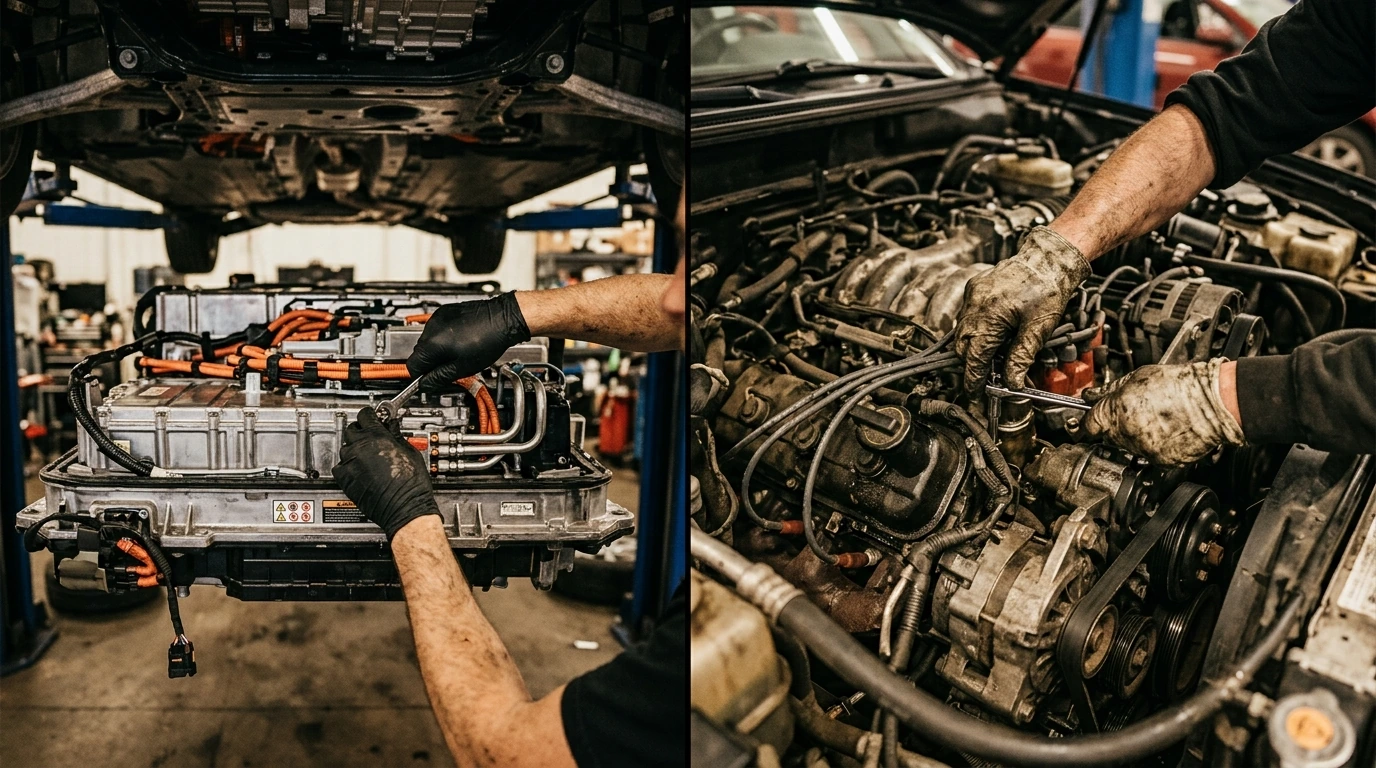
Electric vehicles are mechanically simpler than ICE cars. They have fewer moving parts, no oil changes, no spark plugs, no complex exhaust systems, and no multi-speed transmissions. This inherent simplicity translates to reduced routine maintenance requirements and, typically, lower long-term service costs.
Common ICE maintenance items like oil changes, filter replacements, and spark plug changes are eliminated. While EVs still require tire rotations, brake fluid checks, and cabin air filter replacements, the overall service schedule is notably lighter. Battery degradation is a concern for some, but modern EV batteries are designed for longevity, often retaining 70-80% of their capacity after 8-10 years or 100,000-150,000 miles, backed by extensive warranties. Brake wear is also reduced in EVs due to regenerative braking, which uses the electric motor to slow the vehicle, lessening the reliance on friction brakes.
Depreciation & Resale Value Dynamics
Depreciation is often the single largest cost of vehicle ownership, yet it's frequently overlooked. Historically, EVs experienced higher depreciation rates than ICE vehicles due to rapidly evolving technology and battery concerns. However, by 2026, this trend has shifted significantly for many popular EV models.
As EV technology matures and charging infrastructure expands, demand for used EVs has grown. Models with strong range, efficient charging, and robust battery health tend to hold their value well. Conversely, the resale value of some ICE vehicles, particularly those with poor fuel economy or older emission standards, may face increasing pressure as regulatory environments tighten and consumer preferences continue to shift towards electrification. The long-term outlook suggests that well-maintained EVs, especially those from established manufacturers, could see more favorable depreciation curves compared to their ICE counterparts.
Tailoring Your Drive: Who Benefits Most?
The optimal choice often depends on individual driving habits and access to infrastructure:
- EVs are often ideal for:
- Drivers with predictable commutes and access to home charging.
- Those living in urban or suburban areas with good public charging infrastructure.
- Individuals prioritizing lower running costs and reduced environmental impact.
- Households with solar panels, further reducing electricity costs.
- ICE vehicles may still be preferred by:
- Drivers who frequently undertake very long road trips with limited charging opportunities.
- Those without reliable access to home or workplace charging.
- Buyers for whom the initial purchase price is the absolute top priority, with less emphasis on long-term operational savings.
- Individuals living in remote areas where EV infrastructure is still nascent.
Making the Informed Choice
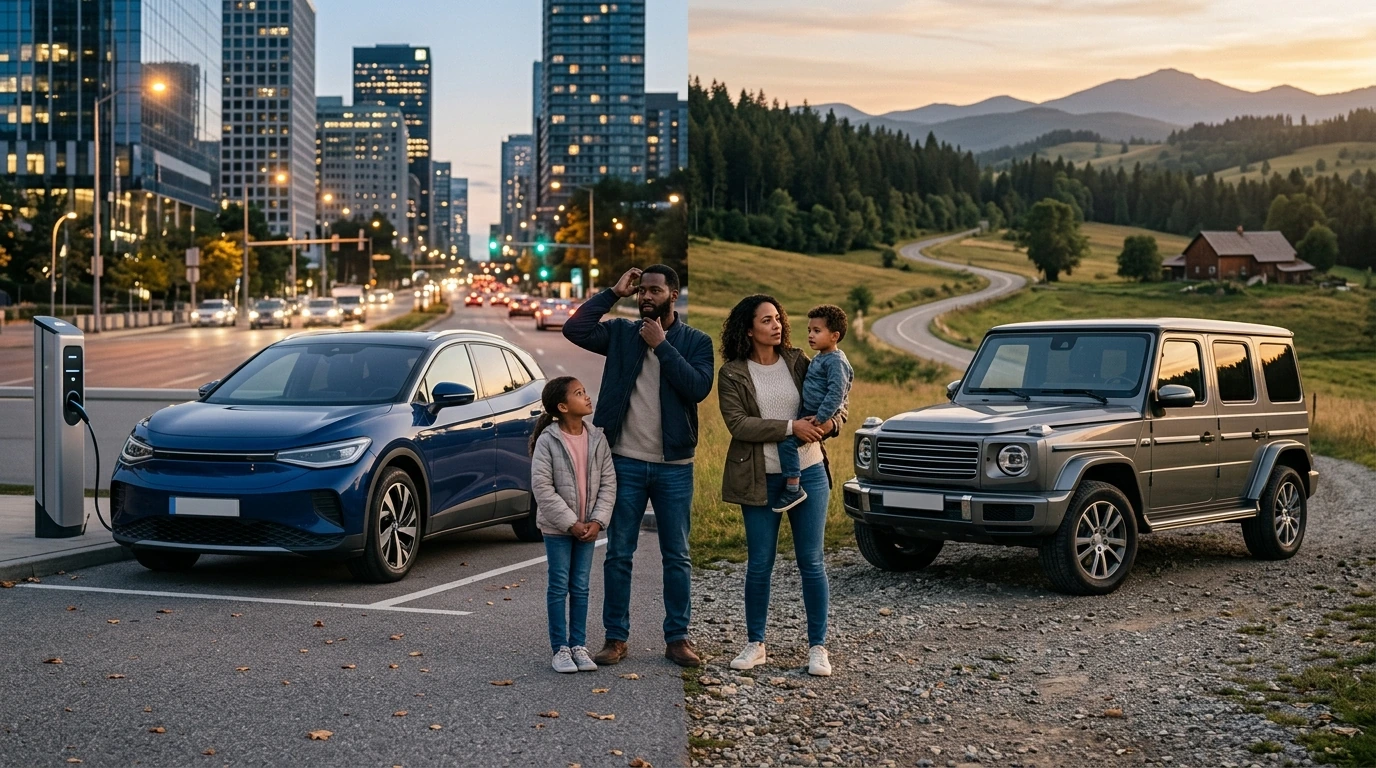
When all factors are considered – purchase price (net of incentives), fuel/energy costs, maintenance, insurance, and depreciation – electric vehicles generally present a more cost-effective long-term ownership proposition for the majority of drivers in 2026. The initial higher price of an EV is increasingly offset by substantial savings in fuel and maintenance, often within the first few years of ownership.
For consumers with access to home charging and a driving pattern that aligns with typical EV ranges, the financial benefits of an electric vehicle are compelling. While the ICE vehicle still holds a niche for specific use cases, the economic argument for electrification continues to strengthen year by year.
Frequently Asked Questions (FAQ)
Q: How do EV insurance costs compare to ICE vehicle insurance?
A: Insurance costs for EVs can sometimes be slightly higher due to the newer technology, higher repair costs for specialized components, and the generally higher purchase price. However, as EVs become more common and repair networks expand, these costs are expected to normalize.
Q: What is the typical lifespan of an EV battery in 2026?
A: Modern EV batteries are designed to last the lifetime of the vehicle, often 8-10 years or 100,000-150,000 miles, with many manufacturers offering extensive warranties (e.g., 8 years/100,000 miles) on the battery pack.
Q: Are public EV charging costs comparable to gasoline prices?
A: Public fast charging can be more expensive per mile than home charging, sometimes approaching or even exceeding the cost of gasoline for a comparable ICE vehicle, especially at premium rapid chargers. However, the vast majority of EV charging occurs at home, where electricity is significantly cheaper.
Q: Do EVs require special tires or other unique consumables?
A: Some EVs utilize specialized low-rolling-resistance tires designed to maximize range, which can sometimes be more expensive than standard tires. However, most other consumables like wiper blades and cabin filters are standard.