
How do electric cars truly work under the hood? As the automotive landscape continues its rapid transition, understanding the fundamental technology powering electric vehicles (EVs) has become increasingly essential for consumers globally. This guide aims to demystify the core components and operational principles of modern EVs, providing a clear foundation for anyone curious about this transformative mode of transport in 2026.
Key Takeaways
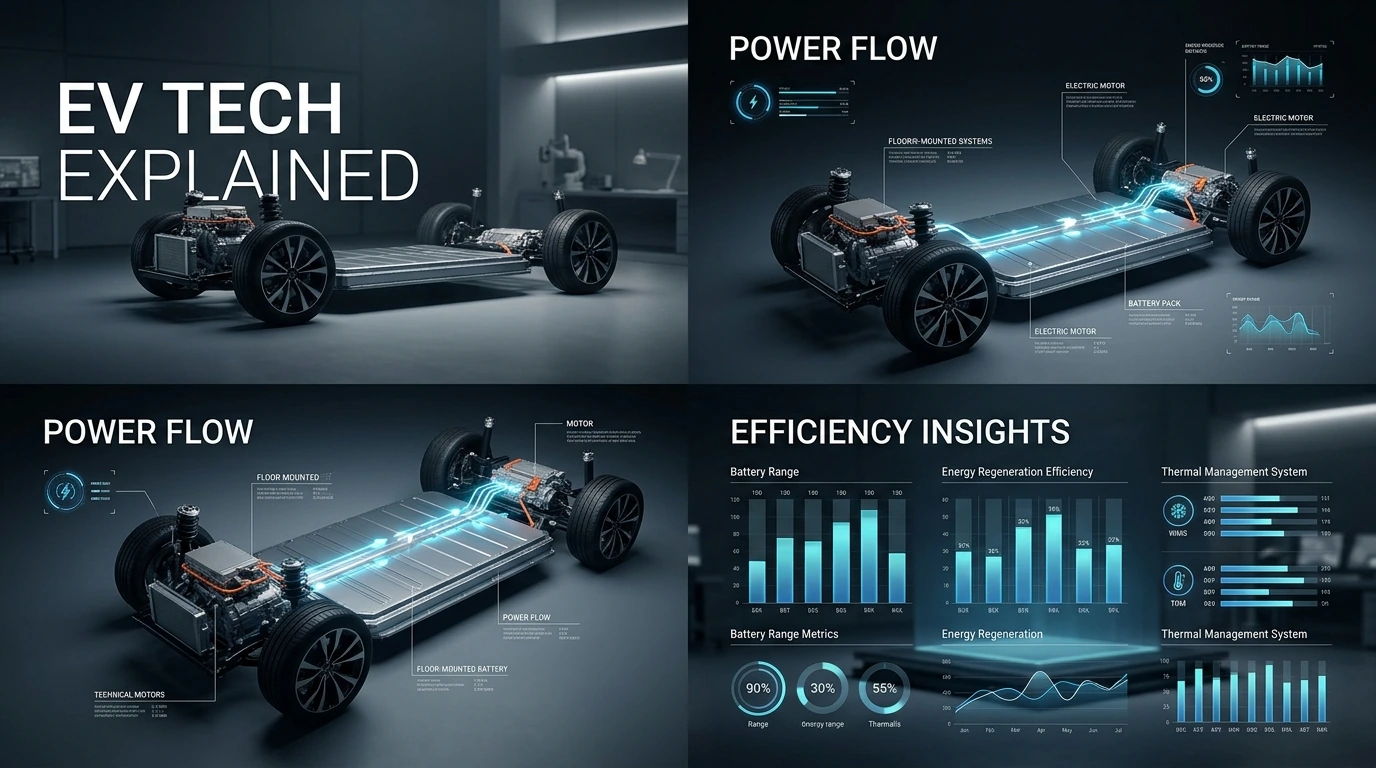
- EVs rely on a simpler drivetrain than internal combustion engine (ICE) vehicles, primarily consisting of a battery, electric motor, inverter, and charger.
- The battery pack is the energy reservoir, determining range and charging speed, with advancements continuously improving energy density and thermal management.
- Electric motors deliver instant torque, providing rapid acceleration and smooth, quiet operation.
- Regenerative braking is a key efficiency feature, converting kinetic energy back into usable electricity for the battery.
The Electric Revolution: An Overview
At its heart, an electric vehicle replaces the traditional gasoline engine with an electric motor and a fuel tank with a large battery pack. This fundamental shift eliminates tailpipe emissions and significantly alters the driving experience. Instead of combustion, EVs convert stored electrical energy directly into mechanical motion, a process that is inherently more efficient than burning fossil fuels.
The core promise of EV technology for 2026 continues to center on reduced environmental impact, lower running costs due to cheaper electricity compared to gasoline, and a distinct driving dynamic characterized by instant torque and quiet operation. These attributes have driven widespread adoption, pushing manufacturers to innovate rapidly in battery chemistry, motor design, and charging infrastructure.
Core Components: The Heart of an EV
Understanding an EV begins with its primary systems. Unlike the hundreds of moving parts in an internal combustion engine, an EV's powertrain is remarkably streamlined.
The Battery Pack: Energy Storage
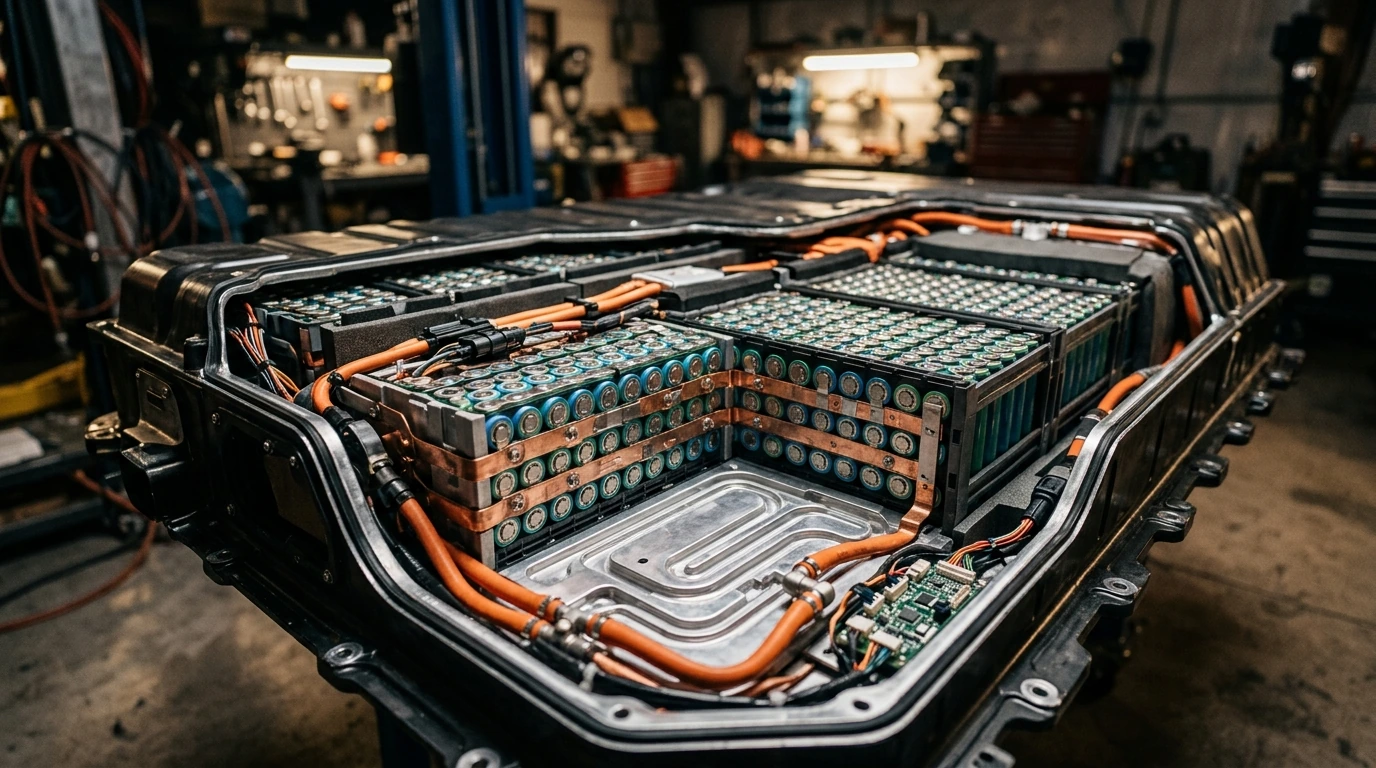
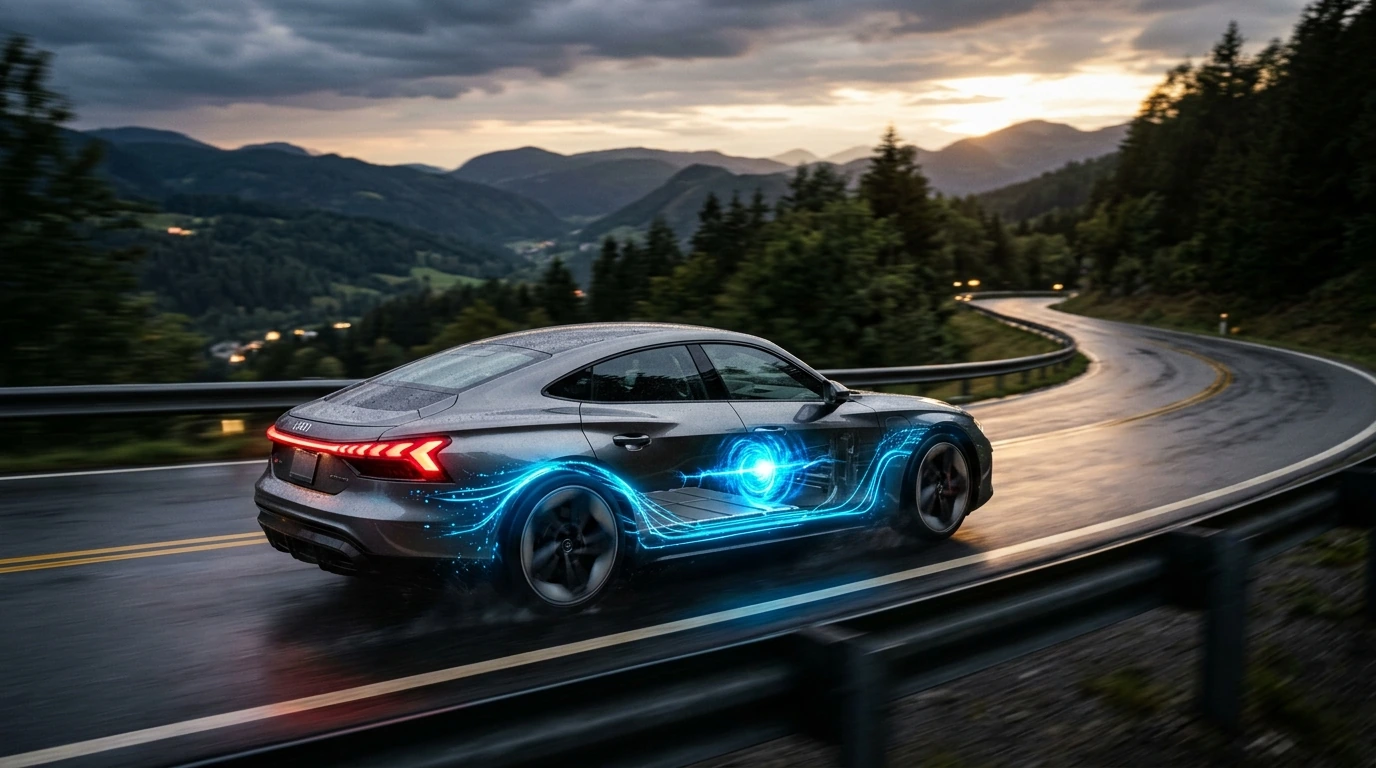
The high-voltage battery pack is arguably the most critical component. Typically composed of thousands of individual lithium-ion cells, similar to those in laptops but much larger and more robust, these packs store the electrical energy. Modern EV batteries, as of 2026, often feature advanced thermal management systems (liquid cooling or heating) to maintain optimal operating temperatures, which is crucial for longevity, performance, and charging speed. Capacities can range from around 40 kWh for compact urban vehicles to over 100 kWh for long-range luxury models, directly impacting the vehicle's driving range.
Electric Motors: The Powerhouse
EVs use one or more electric motors to propel the wheels. These motors convert electrical energy from the battery into mechanical energy. Unlike gasoline engines that require high RPMs to produce peak torque, electric motors deliver maximum torque almost instantaneously from zero RPM. This characteristic provides the brisk acceleration EVs are known for. Most common types include Permanent Magnet Synchronous Motors (PMSM) and Induction Motors, each with specific advantages in efficiency and cost.
The Inverter: Power Conversion
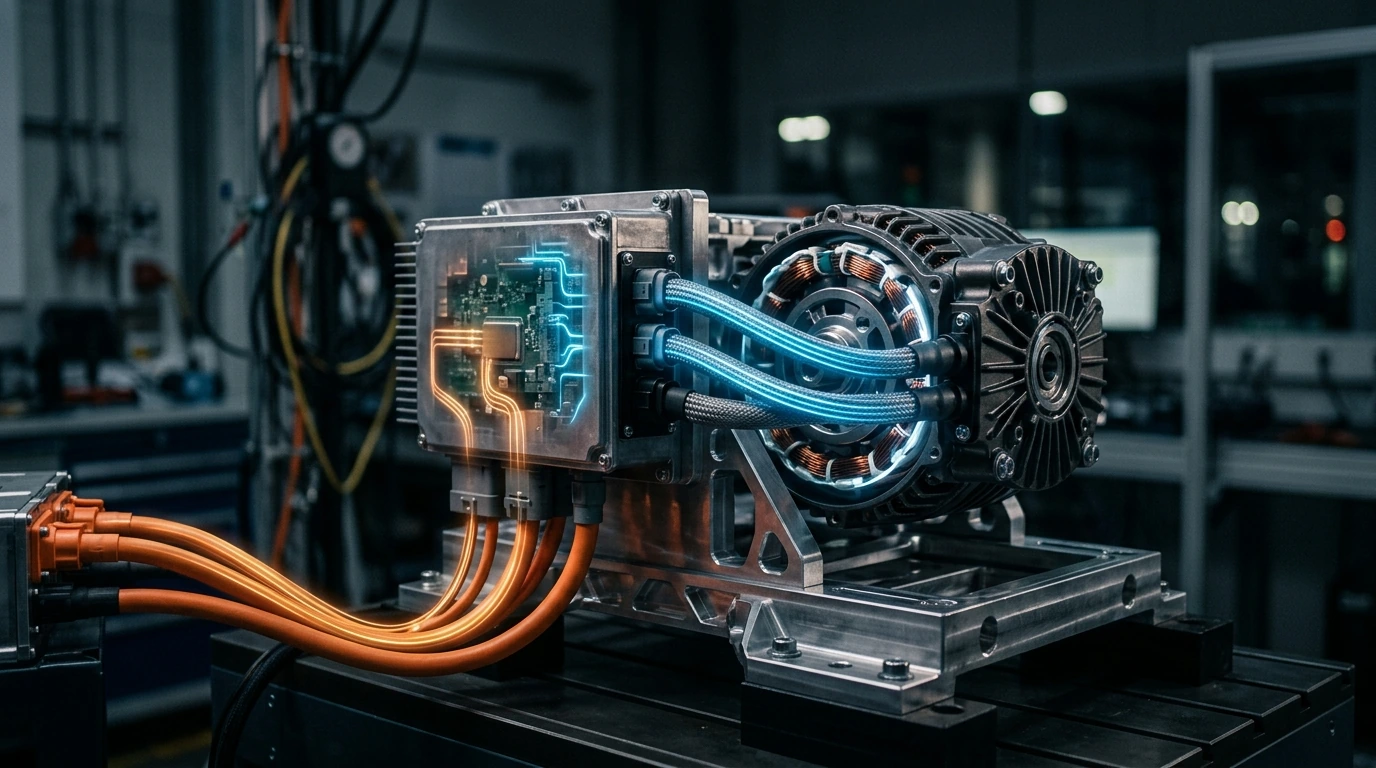
The battery stores direct current (DC) electricity, but most EV motors operate on alternating current (AC). The inverter is the crucial component that converts the DC power from the battery into AC power for the motor, and vice-versa during regenerative braking. It precisely controls the frequency and amplitude of the AC current, thereby regulating the motor's speed and torque.
The Onboard Charger & Charging Port
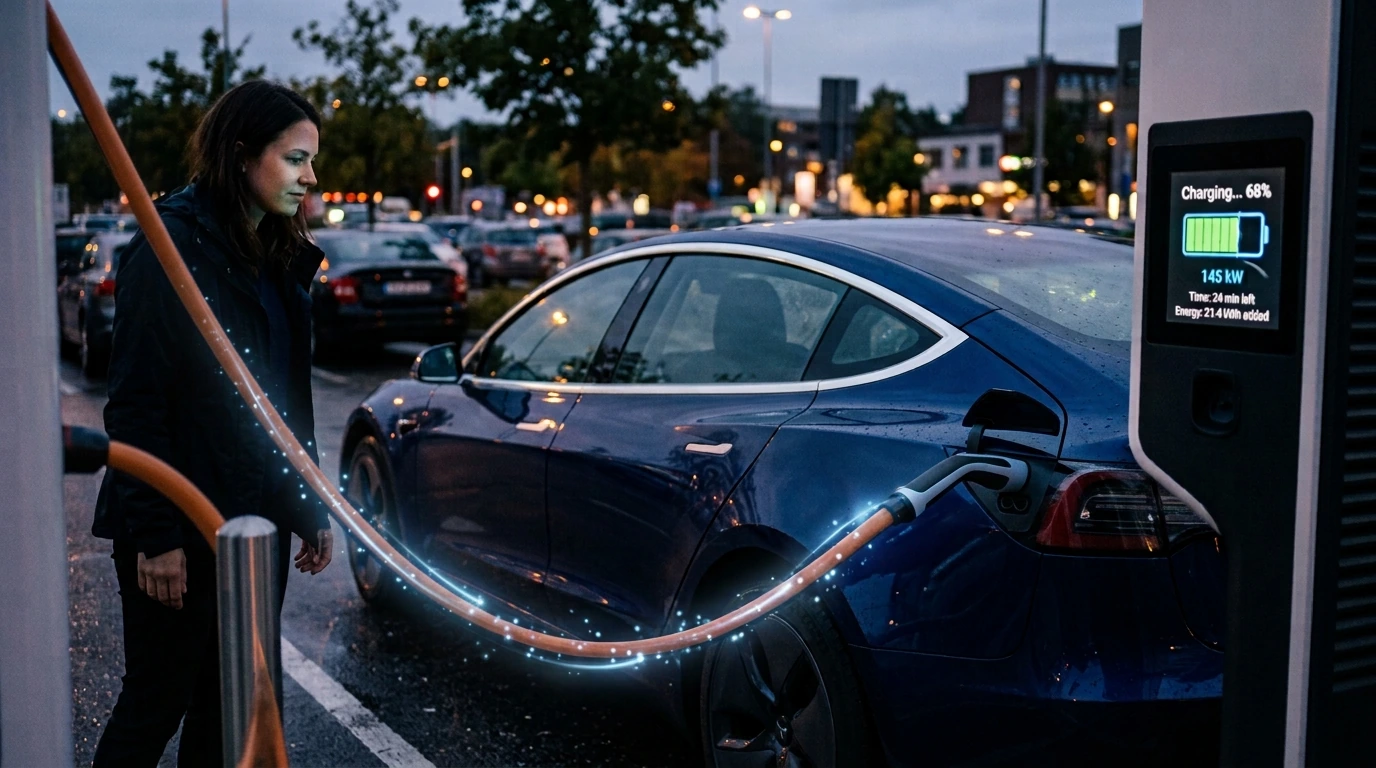
When an EV is plugged into an AC power source (like a home outlet or Level 2 charging station), the onboard charger converts the incoming AC power into DC power that the battery can store. For DC fast charging (Level 3), the conversion happens at the charging station itself, bypassing the onboard charger and allowing for much quicker replenishment. The charging port is the standardized interface for connecting to these power sources.
Driving Dynamics: EV Technology in Action
From the driver's seat, the integration of these components translates into a unique driving experience.
Instant Acceleration and Smooth Power Delivery
The immediate availability of torque from electric motors means EVs can accelerate very quickly and smoothly, often surpassing comparable ICE vehicles in 0-60 mph times. There are no gears to shift (most EVs use a single-speed transmission), contributing to a seamless power delivery and a quieter cabin.
Regenerative Braking: Efficiency Boost
A distinctive feature of EVs is regenerative braking. When the driver lifts off the accelerator or presses the brake pedal, the electric motor reverses its function, acting as a generator. It converts the kinetic energy of the slowing vehicle back into electricity, which is then sent to recharge the battery. This process not only extends range but also reduces wear on traditional friction brakes.
PRO TIP: Maximizing Regenerative Braking
To get the most out of regenerative braking and extend your EV's range, practice 'one-pedal driving' where possible. By modulating the accelerator pedal, you can often slow down significantly without touching the brake pedal, allowing the system to recover maximum energy.
Advantages and Considerations of EV Adoption
The shift to electric vehicles brings with it a host of benefits, alongside some practical considerations that potential owners should be aware of.
Key Advantages
- Environmental Impact: Zero tailpipe emissions contribute to cleaner urban air quality and a reduced carbon footprint, especially when charging with renewable energy.
- Lower Running Costs: Electricity is generally cheaper per mile than gasoline, and EVs typically require less maintenance due to fewer moving parts.
- Performance: Instant torque provides exhilarating acceleration and a smooth, quiet ride.
- Technological Advancements: Continuous improvements in battery technology are leading to increased range and faster charging times.
Important Considerations
- Range Anxiety: While ranges are improving (many new models offer over 300 miles on a charge), concerns about finding charging stations on long trips persist for some.
- Charging Infrastructure: The availability and speed of public charging can vary significantly by region. Home charging is often the most convenient, but requires installation.
- Initial Cost: EVs often have a higher upfront purchase price than comparable ICE vehicles, though government incentives and lower operating costs can offset this over time.
- Battery Degradation: Over many years and charge cycles, battery capacity can slowly diminish, similar to a smartphone battery. Manufacturers typically offer long warranties (e.g., 8 years/100,000 miles) to address this.
How to Buy Certified Industrial Fleet Spare Parts with Warranty: A Practical Procurement Guide →
Why Understand EV Tech? A Future-Proof Perspective
For anyone considering an electric vehicle, or simply observing the automotive industry's evolution, a foundational understanding of EV technology is invaluable. It empowers consumers to make informed decisions, evaluate new models based on their core technical merits, and appreciate the engineering innovations driving this sector.
Knowing how an EV works helps in understanding range figures, charging times, and the benefits of features like regenerative braking. It also provides context for future developments, such as solid-state batteries or advanced motor designs, allowing you to stay ahead in a rapidly changing technological landscape. As the world moves towards sustainable transportation, grasping these fundamentals is not just about buying a car, but about engaging with the future of mobility.