
Is an electric vehicle (EV) truly a sound investment in 2026? The automotive landscape has transformed dramatically over the past decade, with electric powertrains moving from niche curiosities to mainstream contenders. For many prospective buyers, the core question remains: do the benefits of an EV genuinely outweigh the perceived hurdles, particularly when compared to established internal combustion engine (ICE) alternatives?
This evaluation aims to dissect the multifaceted value proposition of electric cars, examining their financial implications, performance characteristics, environmental footprint, and practical considerations for daily use. By understanding the current state of EV technology and infrastructure, potential owners can make a truly informed decision.
Key Takeaways
- Initial Cost vs. Long-Term Savings: EVs often carry a higher upfront price but typically offer significant savings on fuel and maintenance over their lifespan.
- Range & Charging: Average EV ranges are now competitive for most daily driving, supported by a rapidly expanding global charging network, though rural areas may still pose challenges.
- Environmental Impact: EVs produce zero tailpipe emissions, contributing to cleaner air, but battery production and energy grid sources impact their overall lifecycle footprint.
- Driving Experience & Practicality: EVs provide instant torque and a quiet ride, suitable for diverse lifestyles, with a growing array of body styles and capabilities.
The Core Dilemma: Upfront Cost Versus Operational Savings
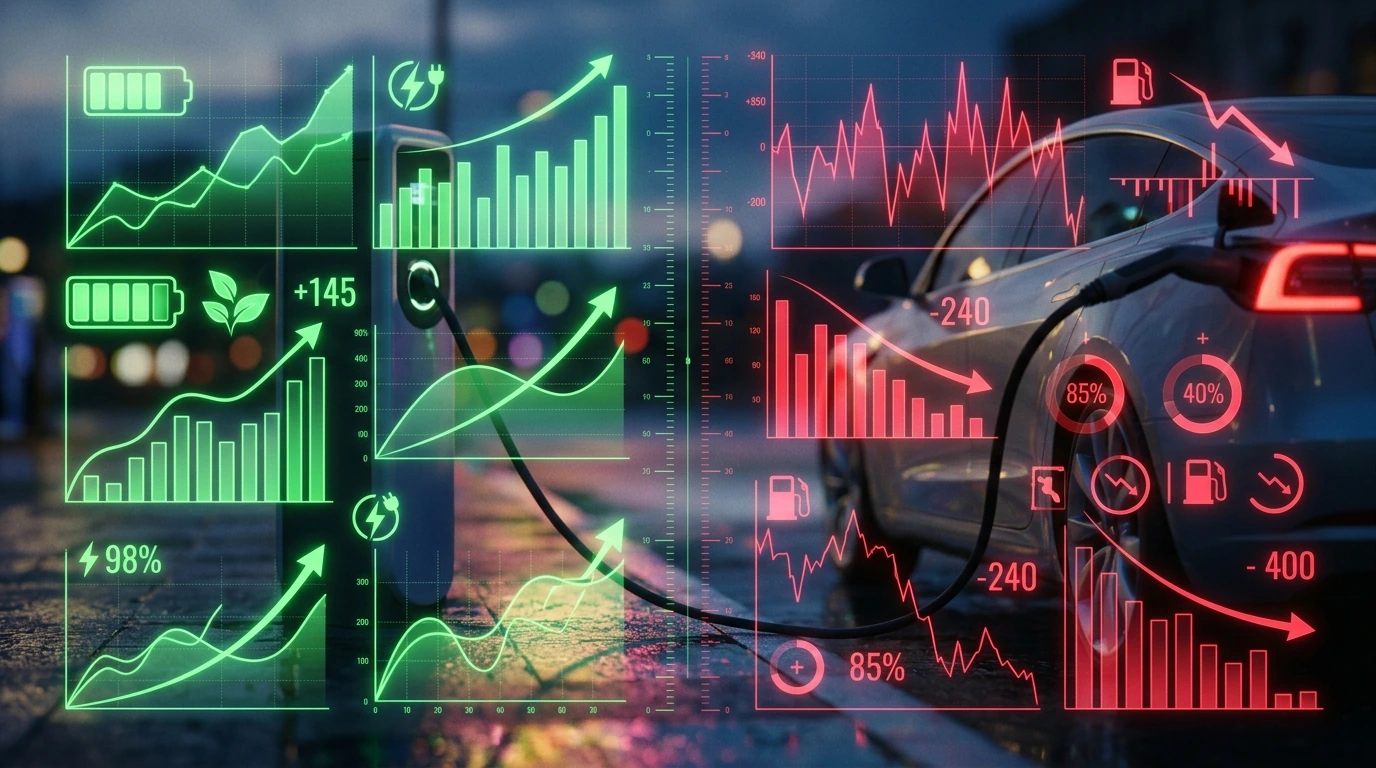
For many, the initial purchase price of an electric vehicle remains a primary consideration. While government incentives and tax credits can offset some of this, new EVs generally command a premium over comparable ICE models. However, this perspective overlooks the substantial operational savings that accrue over the vehicle's ownership period.
Fuel costs represent a major differentiator. Charging an EV, particularly at home during off-peak hours, is typically far less expensive per mile than purchasing gasoline or diesel. Maintenance costs are also notably lower for EVs, attributable to fewer moving parts, no oil changes, and less wear on brake pads due to regenerative braking systems. Battery degradation, while a factor, is often covered by extensive manufacturer warranties, typically 8 years or 100,000 miles (approximately 160,000 km), ensuring long-term reliability for the powertrain.
| Aspect | Electric Vehicle (EV) | Internal Combustion Engine (ICE) |
|---|---|---|
| Average Purchase Price (2026) | Higher (e.g., $40,000 - $80,000 USD) | Lower (e.g., $30,000 - $60,000 USD) |
| Fuel/Energy Cost per Mile | Significantly lower (electricity) | Higher (gasoline/diesel) |
| Routine Maintenance | Lower (fewer fluids, fewer moving parts) | Higher (oil changes, spark plugs, belts, etc.) |
| Government Incentives | Often available (tax credits, rebates) | Rarely available |
| Resale Value Trend | Strong, but varies by model and battery health | Stable, but susceptible to fuel price volatility |
Performance, Range, and Charging Ecosystem Evolution
Early concerns about EV range anxiety and charging infrastructure have largely dissipated by 2026. The average range of new EVs has comfortably surpassed 250 miles (approximately 400 km) on a single charge, with many premium models exceeding 400 miles (640 km). This makes most daily commutes and even longer road trips entirely feasible.
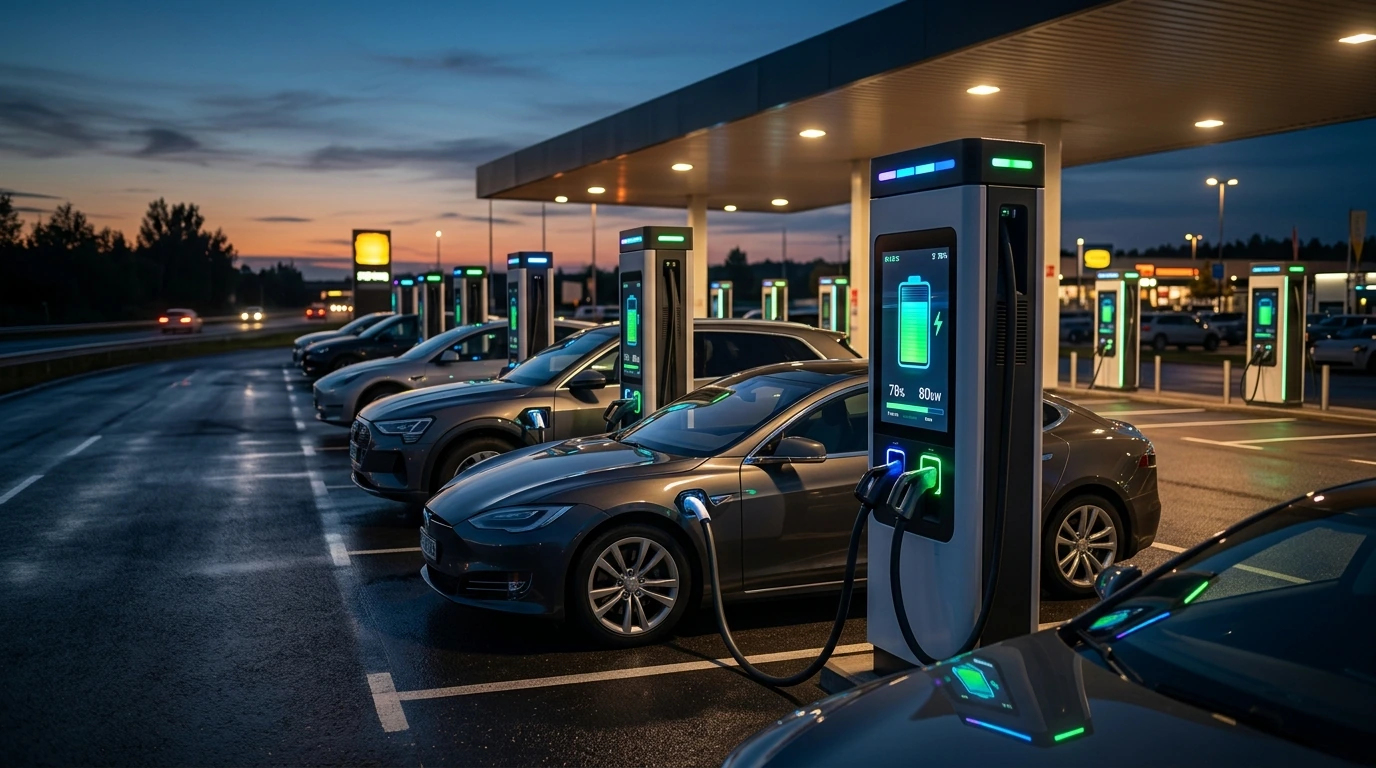
The global charging network has matured considerably, featuring a dense array of Level 2 (AC) chargers for overnight or workplace charging, and a rapidly expanding network of DC fast chargers along major routes and urban centers. Charging speeds have also improved, with many vehicles capable of adding 150-200 miles (240-320 km) of range in under 30 minutes at a high-speed station. However, regional disparities in charging availability persist, particularly in some rural areas.
- Instant Torque: EVs deliver immediate, smooth acceleration due to electric motors, offering a responsive and engaging driving experience.
- Quiet Operation: The absence of an engine means a significantly quieter cabin, reducing driver fatigue and enhancing passenger comfort.
- Advanced Driver Assistance: Many EVs integrate cutting-edge ADAS features, benefiting from the vehicle's integrated digital architecture.
- Energy Efficiency: EVs convert a higher percentage of their stored energy into motion compared to ICE vehicles, which lose much as heat.
Environmental Impact and Societal Benefits
The environmental case for EVs is compelling, though nuanced. Operating an EV produces zero tailpipe emissions, directly contributing to cleaner urban air quality and reducing localized pollution. From a broader perspective, the overall carbon footprint depends heavily on the electricity source used for charging. Regions with a high proportion of renewable energy in their grid will see greater environmental benefits from EVs.
Battery production and disposal remain areas of ongoing innovation and concern. Manufacturers are increasingly focused on sustainable sourcing of raw materials and developing robust recycling programs for end-of-life batteries, aiming for a circular economy model. Advancements in battery technology are also reducing reliance on critical minerals. The societal benefits extend beyond air quality, encompassing reduced noise pollution in residential areas and cities.
- Reduced Tailpipe Emissions: EVs eliminate direct emissions of greenhouse gases and air pollutants during operation.
- Decreased Noise Pollution: Quieter operation contributes to more peaceful urban and suburban environments.
- Energy Independence: Relying on domestic electricity sources can reduce dependence on imported fossil fuels.
- Battery Recycling Initiatives: Growing industry efforts to recycle and repurpose EV batteries minimize waste and resource consumption.

Matching the Right Vehicle to Your Lifestyle
The decision between an EV and an ICE vehicle ultimately hinges on individual needs and priorities. Neither is universally superior; rather, their suitability depends on specific use cases.
Choose an EV if:
- You have access to home charging (Level 1 or 2).
- Your daily driving range falls within typical EV capabilities (most commutes, errands).
- You frequently drive in urban or suburban environments where charging infrastructure is robust.
- You prioritize lower running costs and reduced environmental impact.
- You appreciate a quiet, responsive driving experience and access to advanced technology.
Consider an ICE vehicle (or a Plug-in Hybrid) if:
- You frequently undertake very long journeys into areas with sparse charging infrastructure.
- You lack consistent access to home or workplace charging.
- Your budget strictly limits upfront vehicle costs, and long-term savings are less critical.
- You require a vehicle for heavy towing or extreme off-roading where specialized ICE models may still offer advantages.

Making the Informed Choice for 2026
In 2026, the question of whether electric cars are 'worth it' has a more definitive answer than ever before: for a significant and growing majority of drivers, they absolutely are. The initial cost premium is increasingly offset by substantial long-term savings, a superior driving experience, and tangible environmental benefits. The range and charging infrastructure have evolved to a point where they no longer pose insurmountable barriers for most.
However, it is vital to assess your personal circumstances—your daily driving habits, access to charging, and budget—to ensure an EV aligns with your lifestyle. For urban and suburban dwellers with home charging capabilities, an EV represents a compelling and often economically advantageous choice. For those with highly specific, long-distance, or off-grid requirements, a traditional ICE or a plug-in hybrid might still offer a more practical solution. The market offers more choices than ever, making it an opportune time to evaluate the electric future.