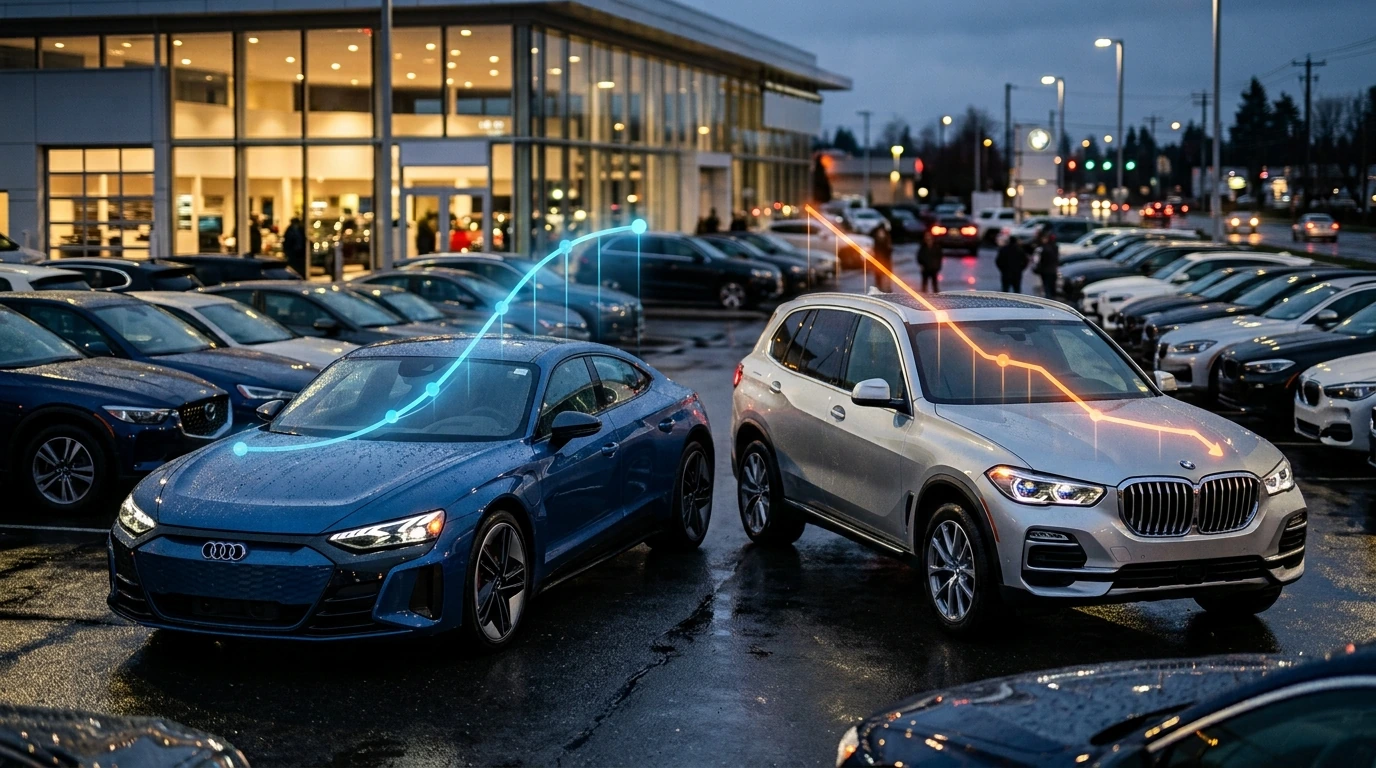
For many drivers in 2026, the decision between an electric vehicle (EV) and a traditional gasoline-powered car extends far beyond the dealership lot. The upfront purchase price, while significant, represents only one chapter in the total ownership story. Understanding the true long-term financial implications requires a deeper dive into ongoing expenses, from energy costs to maintenance, and even depreciation.
Initial Investment: Purchase Price and Incentives
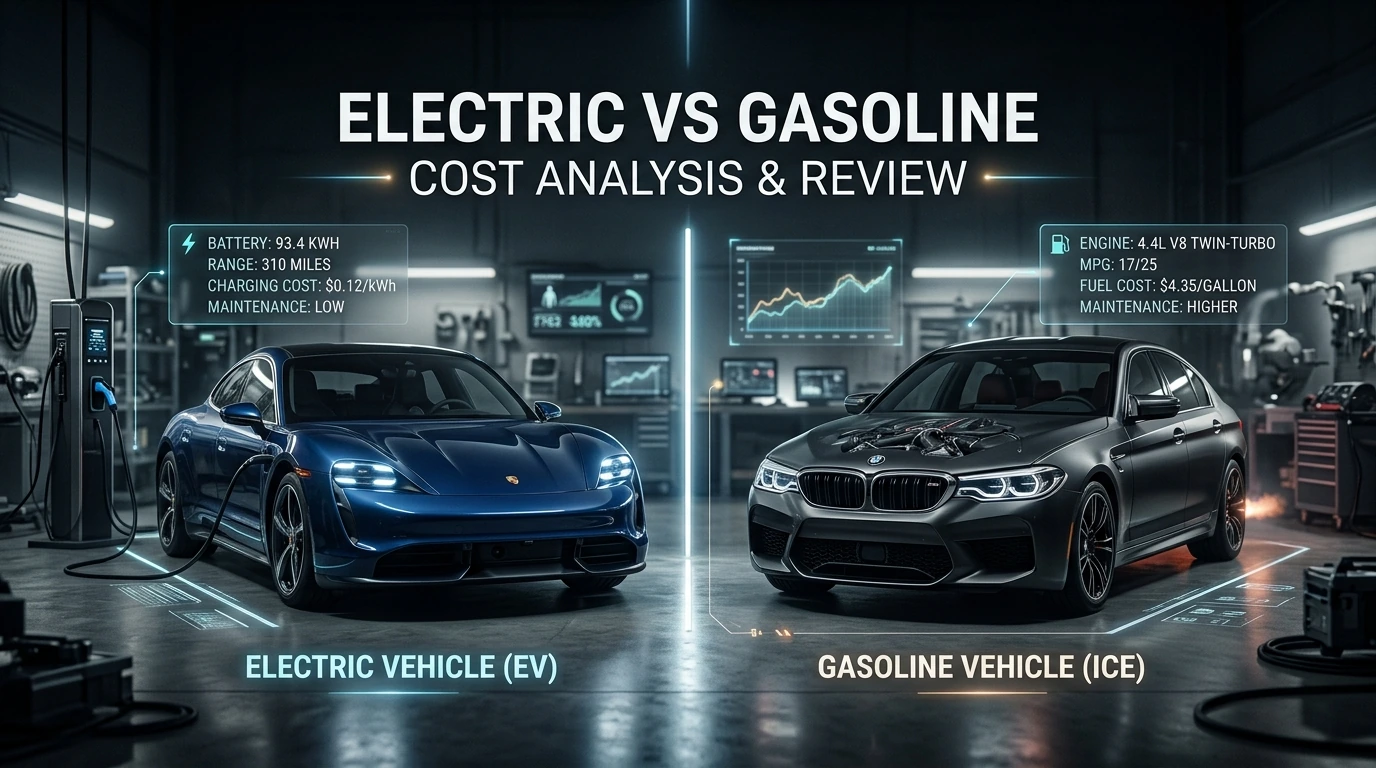
The sticker price remains a primary differentiator. In 2026, many new EVs still carry a premium over comparable internal combustion engine (ICE) vehicles, particularly in the entry-level and mid-range segments. However, this gap has continued to narrow as manufacturing scales and battery technology advances. Government incentives, such as tax credits and rebates, play a substantial role in offsetting this initial cost in many regions. These incentives can significantly reduce the effective purchase price of an EV, making it more competitive from day one.
Fueling the Drive: Electricity Versus Gasoline Expenses
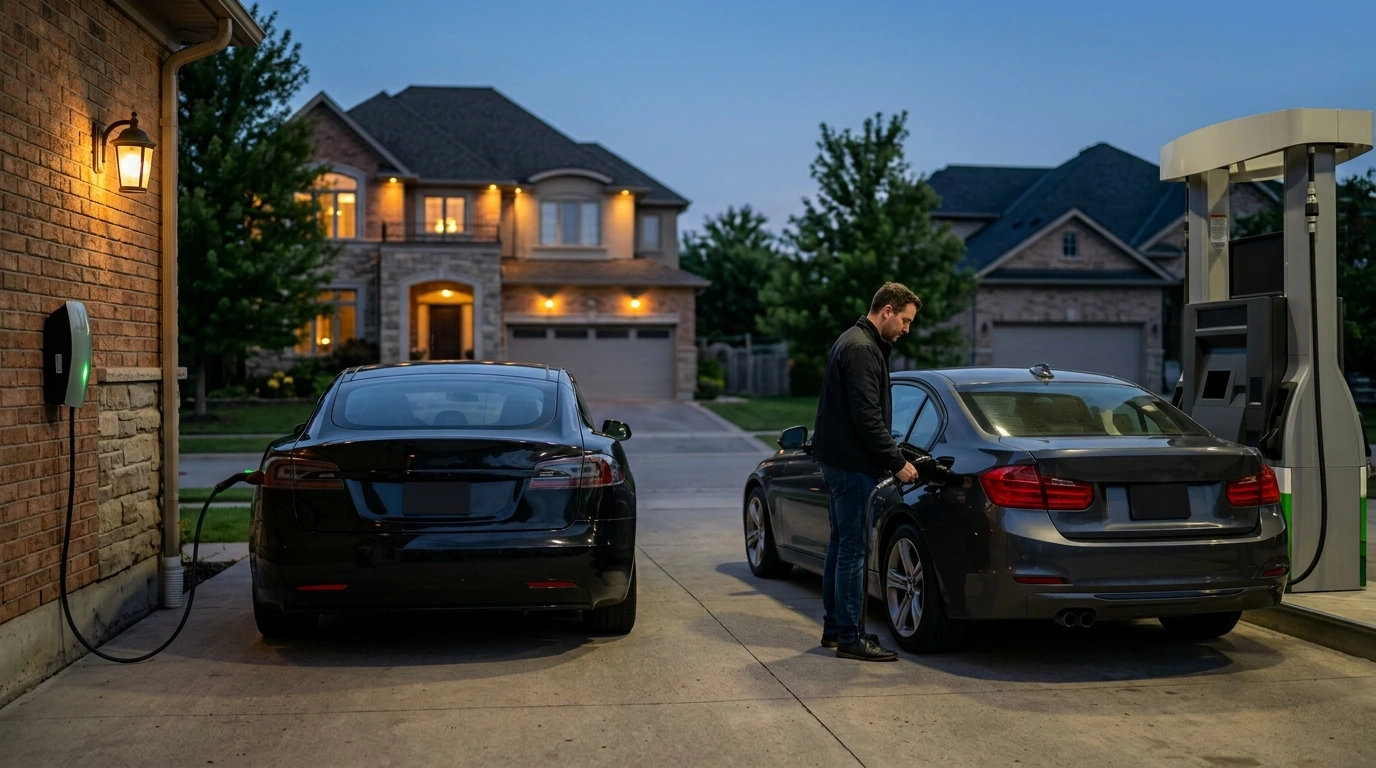
The cost of powering your vehicle is arguably the most dynamic aspect of ownership. Gasoline prices, subject to geopolitical shifts and market volatility, can fluctuate dramatically. Electricity rates, while also variable by region and time of day, generally offer more stability and are often lower per mile equivalent. Home charging, especially during off-peak hours, typically provides the most cost-effective energy for EV owners. Public fast-charging networks, while convenient for long trips, usually incur higher per-kilowatt-hour costs, sometimes approaching or even exceeding the per-mile cost of gasoline for certain efficient ICE models.
Maintenance and Longevity: A Tale of Two Drivetrains
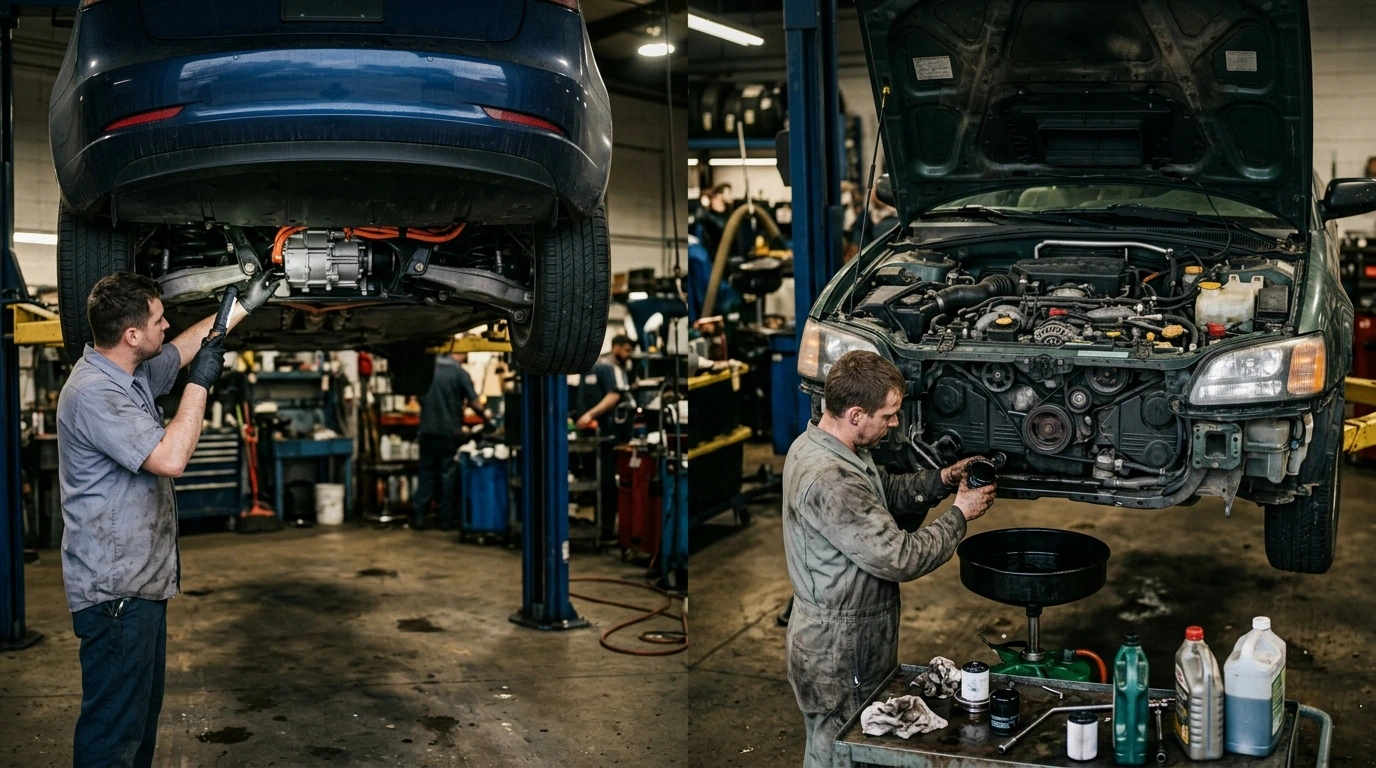
This is where EVs typically gain a significant advantage. Electric powertrains feature far fewer moving parts than gasoline engines, eliminating the need for oil changes, spark plug replacements, exhaust system repairs, and complex transmission services. Regenerative braking also reduces wear on physical brake pads and rotors, leading to less frequent replacements. While EV battery degradation was a concern in earlier models, modern battery management systems and improved chemistry mean that significant capacity loss is rare within the typical lifespan of the vehicle. However, specialized EV components, if they do require repair, can sometimes be more expensive due to their advanced nature and specialized technician requirements.
Insurance, Depreciation, and Other Financial Considerations
Insurance premiums for EVs can sometimes be higher due to the vehicle's initial purchase price and the specialized nature of repairs for components like battery packs. However, as EV adoption grows and repair networks expand, these rates are becoming more competitive. Depreciation is another key factor. Historically, some EV models experienced faster depreciation, but this trend has largely stabilized by 2026. Factors like battery health warranties and the increasing demand for used EVs contribute to better resale values. Registration fees and road taxes also vary; some jurisdictions offer reduced fees for EVs, while others implement specific charges to compensate for lost fuel tax revenue.

Matching Vehicle to Lifestyle: Who Benefits Most?
- High-Mileage Commuters: Drivers covering significant distances daily will see the most substantial savings from lower per-mile energy costs with an EV.
- Home Charging Access: Those with dedicated off-street parking and the ability to install a Level 2 home charger will maximize convenience and minimize charging costs.
- Urban and Suburban Drivers: EVs excel in stop-and-go traffic due to regenerative braking and zero tailpipe emissions, aligning well with city driving patterns.
- Budget-Conscious Upfront Buyers: If the absolute lowest initial purchase price is the priority, a gasoline car, especially a pre-owned one, might still be the immediate choice in some segments.
- Long-Distance Road Trippers: While EV charging infrastructure has improved dramatically, gasoline cars still offer quicker refueling stops for extensive cross-country travel, though this gap is closing rapidly.
Mastering Heavy Machinery Spare Parts Procurement: Enterprise Vendor Selection and Lifecycle Resilience →
Making the Informed Choice
In 2026, the long-term cost advantage of an electric vehicle is increasingly clear for a significant portion of drivers. While the initial purchase price can still be a hurdle, the cumulative savings on energy and maintenance often outweigh this over 5-7 years of ownership. The decision ultimately hinges on individual circumstances: your typical daily mileage, access to reliable and affordable charging, and the availability of government incentives in your region. For many, the financial benefits, coupled with environmental advantages and a superior driving experience, make an EV the more economically sound choice in the long run.