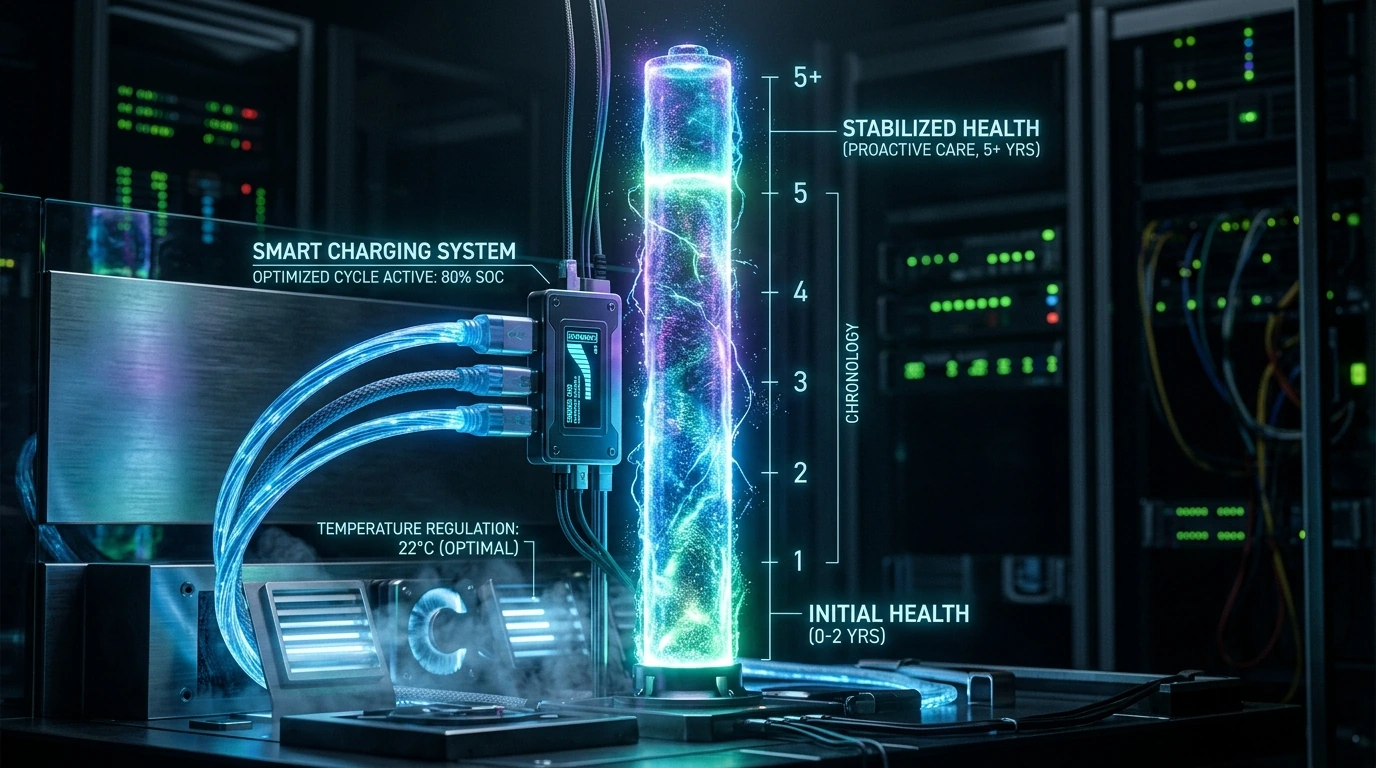
How long can an electric vehicle's battery truly last? This question sits at the forefront for many prospective EV owners, often accompanied by concerns about eventual replacement costs and the practicalities of maintaining optimal performance. Modern EV batteries, primarily lithium-ion, are engineered with remarkable durability, frequently designed to outlast the vehicle's typical ownership cycle and sometimes even the vehicle itself.
While degradation is an inherent characteristic of all battery chemistries, the advanced thermal management systems and sophisticated Battery Management Systems (BMS) in today's EVs work in concert to mitigate this process, ensuring a gradual decline in capacity rather than sudden failure. Typical lifespans for these power sources often exceed 8 to 10 years or 100,000 to 150,000 miles, with many manufacturers backing this longevity with robust, extended warranties.
The Enduring Core of Electric Vehicle Power
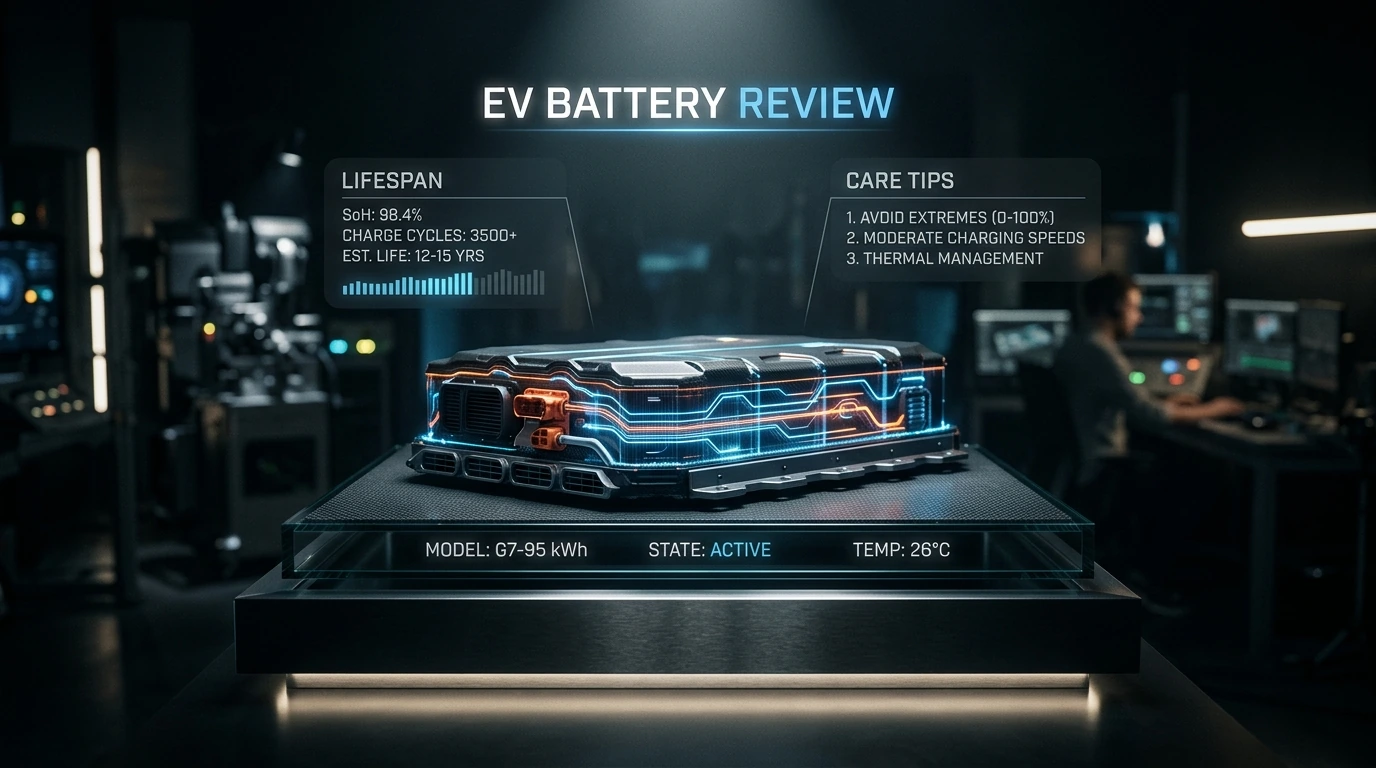
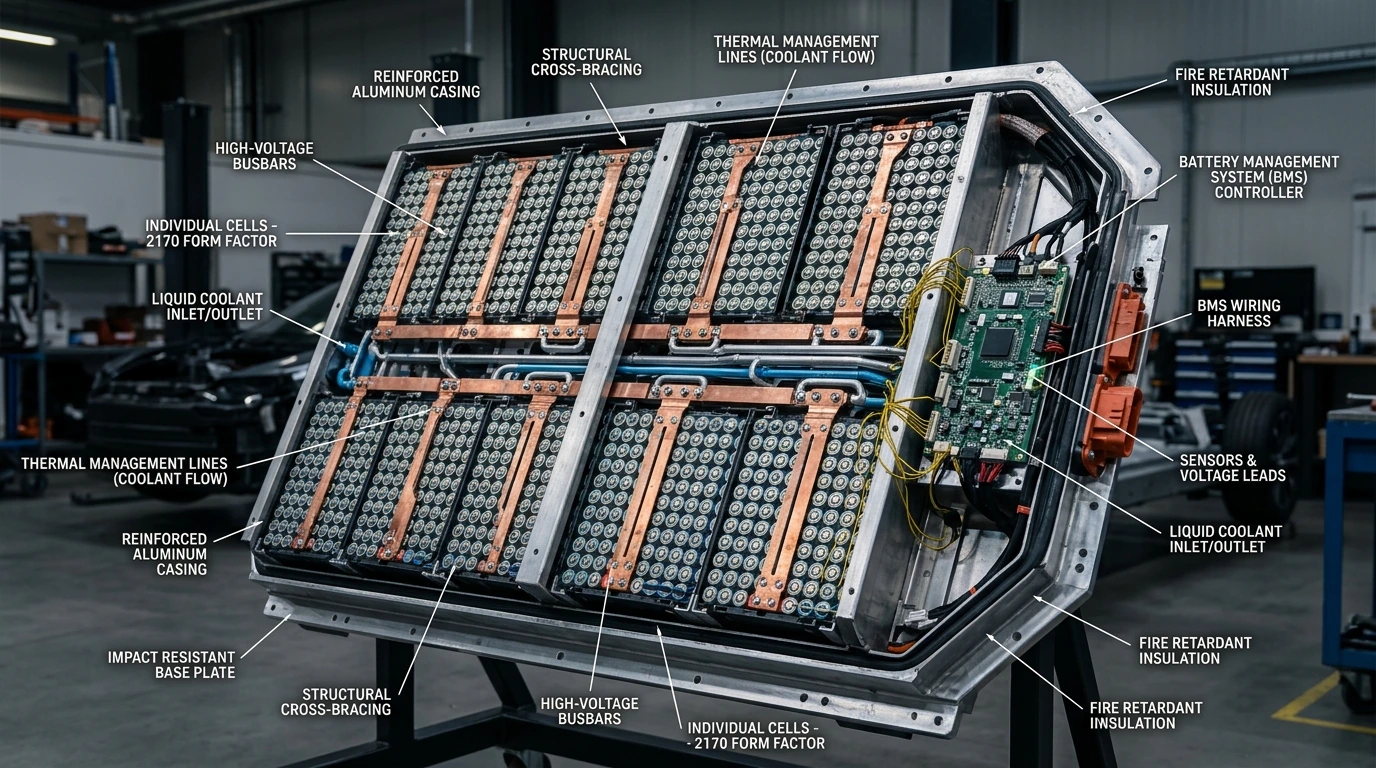
At the heart of every electric vehicle lies a sophisticated battery pack, predominantly utilizing lithium-ion chemistry. These packs are not merely collections of cells; they are complex systems integrating advanced thermal management and highly intelligent Battery Management Systems (BMS). The BMS continuously monitors parameters such as voltage, current, temperature, and state of charge for individual cells, optimizing performance and protecting against conditions that could accelerate degradation.
Manufacturers design these battery systems for longevity, incorporating features like liquid cooling or heating to maintain an ideal operating temperature range, which is critical for preserving cell health. The robust construction, often sealed and armored, also shields the delicate internal components from environmental factors and minor impacts. Industry standards for warranties typically cover EV batteries for 8 years or 100,000 miles, with some brands extending this to 10 years or 150,000 miles, reflecting confidence in their long-term durability and a minimum guaranteed capacity retention, often around 70% of original capacity.
Real-World Performance: Understanding Degradation Factors
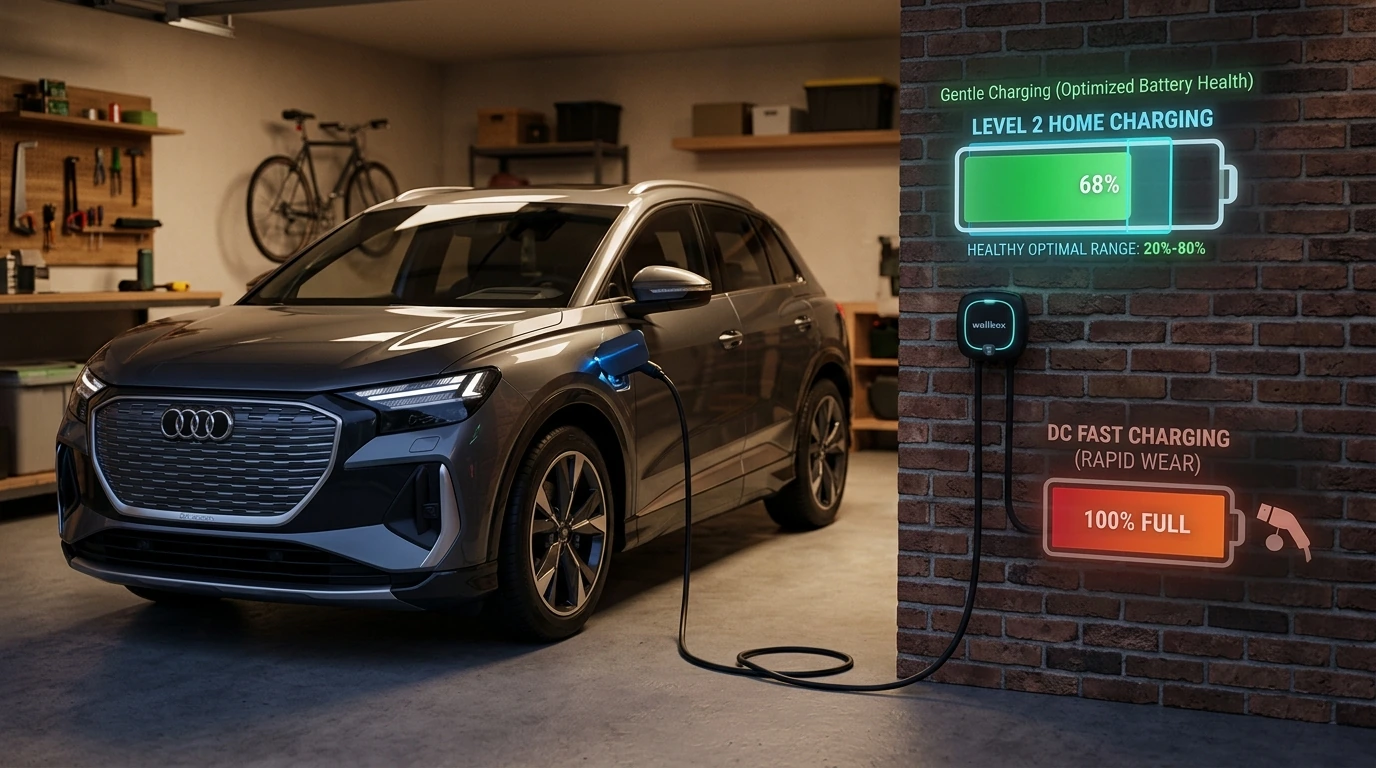
While EV batteries are built to last, their real-world performance and degradation rates are influenced by several practical factors. Charging habits play a significant role; frequent reliance on DC fast charging, particularly in extreme temperatures, can generate more heat and stress on the cells compared to slower Level 2 (AC) charging. Similarly, consistently charging to 100% or routinely discharging below 20% can contribute to accelerated degradation over time.
Climate also has a tangible impact. Prolonged exposure to extreme heat, especially when coupled with high states of charge, is known to be more detrimental to battery health than extreme cold. However, in very cold conditions, battery performance (range and power output) can temporarily decrease until the battery warms up. Driving style, such as aggressive acceleration and heavy braking, can also slightly increase thermal stress, though modern regenerative braking systems help mitigate this by recapturing energy.
Many EV owners report excellent longevity, with vehicles exceeding 150,000 miles while retaining significant battery capacity. For instance, data from various fleets and individual owners consistently shows that a typical EV battery might lose 1-2% of its capacity per year. Even a battery that has lost 20-30% of its original capacity (still well within warranty parameters) remains highly functional for most daily commuting and general use, offering ample range for typical driving patterns.
Demystifying EV Battery Replacement Costs
The prospect of replacing an EV battery can be a significant concern for potential buyers, often perceived as an exorbitant expense. As of 2026, the cost of a full EV battery pack replacement varies widely, typically ranging from $5,000 to $20,000 or more, depending on the vehicle's make, model, pack size, and labor rates. However, several factors are working to reduce this impact.
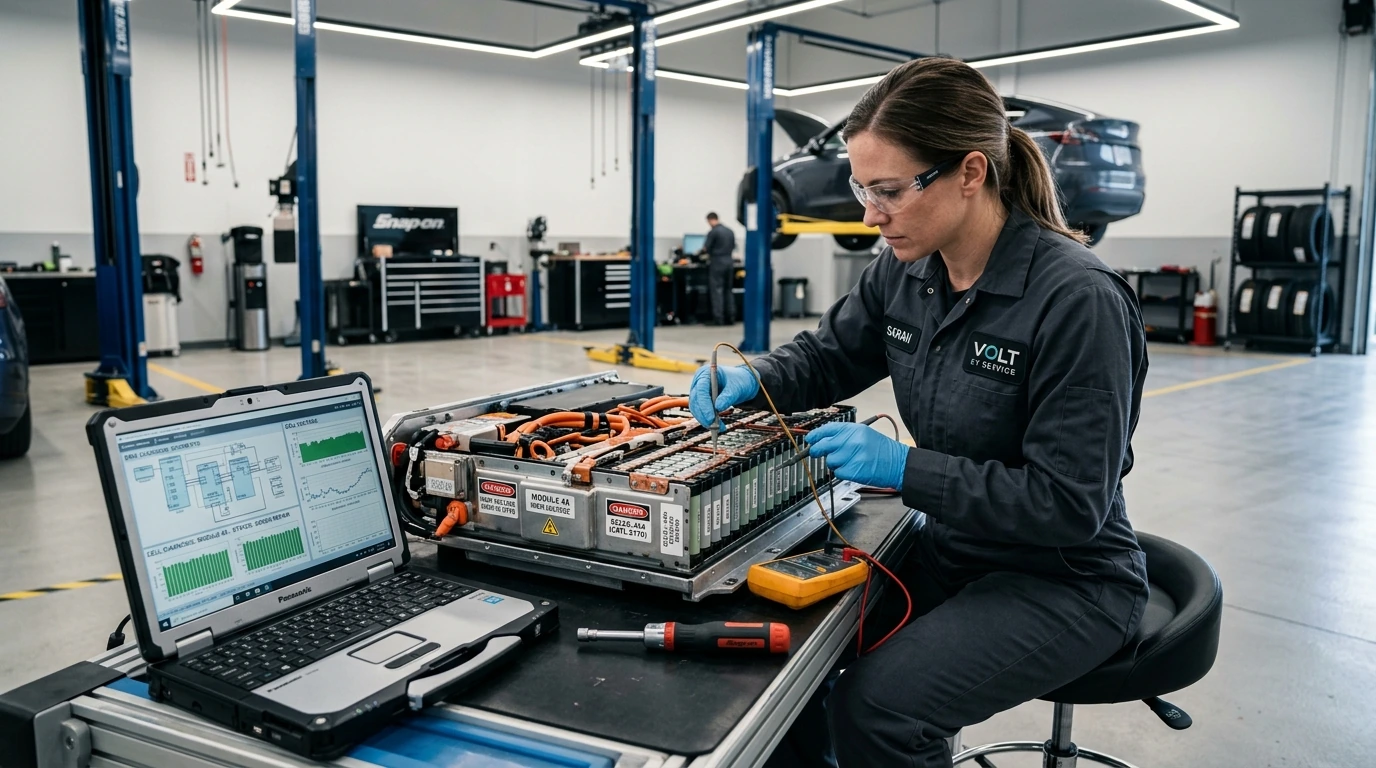
Firstly, the cost of battery cells has seen a dramatic decrease over the past decade, a trend projected to continue as manufacturing scales and technology advances. Secondly, many modern EV battery packs are designed with modularity in mind, meaning that in some cases, only a faulty module within the pack needs replacement, rather than the entire unit. This significantly reduces the repair cost. The growing market for refurbished batteries and second-life applications for EV batteries (e.g., stationary energy storage) also contributes to a more sustainable and potentially more affordable ecosystem for battery management.
It's important to weigh these potential costs against the substantial savings in fuel and maintenance over the vehicle's lifetime. EVs typically require less routine maintenance than internal combustion engine vehicles, offsetting a portion of any future battery-related expenses.
Electric Versus Gasoline: Unpacking the True Long-Term Cost of Vehicle Ownership in 2026 →
Maximizing Lifespan: Essential Care Strategies
Proactive care can significantly extend the operational life and performance of an EV battery. Adopting mindful charging and driving habits can make a noticeable difference over years of ownership. Here are some key strategies:
- Optimize Charging Habits: For daily driving, aim to keep your battery's state of charge between 20% and 80%. Routinely charging to 100% or allowing deep discharges below 20% can accelerate degradation. Utilize scheduled charging features to charge during off-peak hours and pre-condition the battery.
- Moderate Fast Charging: While convenient, frequent DC fast charging, especially in extreme temperatures, can put additional stress on the battery. Reserve fast charging for long trips or when absolutely necessary, favoring Level 2 AC charging for daily top-ups.
- Mind the Climate: Avoid parking your EV for extended periods in direct sunlight during extreme heat or in sub-zero temperatures without access to charging. If storing the vehicle for a long time, ensure the battery is charged to around 50-60%.
- Smooth Driving: While EVs offer exhilarating acceleration, aggressive driving can generate more heat and stress. Practicing smooth acceleration and deceleration, and effectively utilizing regenerative braking, contributes to better battery health and efficiency.
- Software Updates: Keep your vehicle's software up to date. Manufacturers frequently release updates that optimize the BMS, improving charging algorithms, thermal management, and overall battery efficiency.
PRO TIP: Smart Charging Schedules
Leverage your EV's smart charging features or a smart home charger to schedule charging during off-peak electricity hours. This not only saves money but also allows the vehicle's battery management system to optimize charging at a slower, more battery-friendly rate overnight, minimizing stress on the cells.
By integrating these practices, EV owners can confidently maximize their battery's lifespan, ensuring sustained performance and mitigating potential long-term costs. The longevity of modern EV batteries, coupled with declining replacement costs and significant operational savings, solidifies the electric vehicle's value proposition for discerning buyers.