
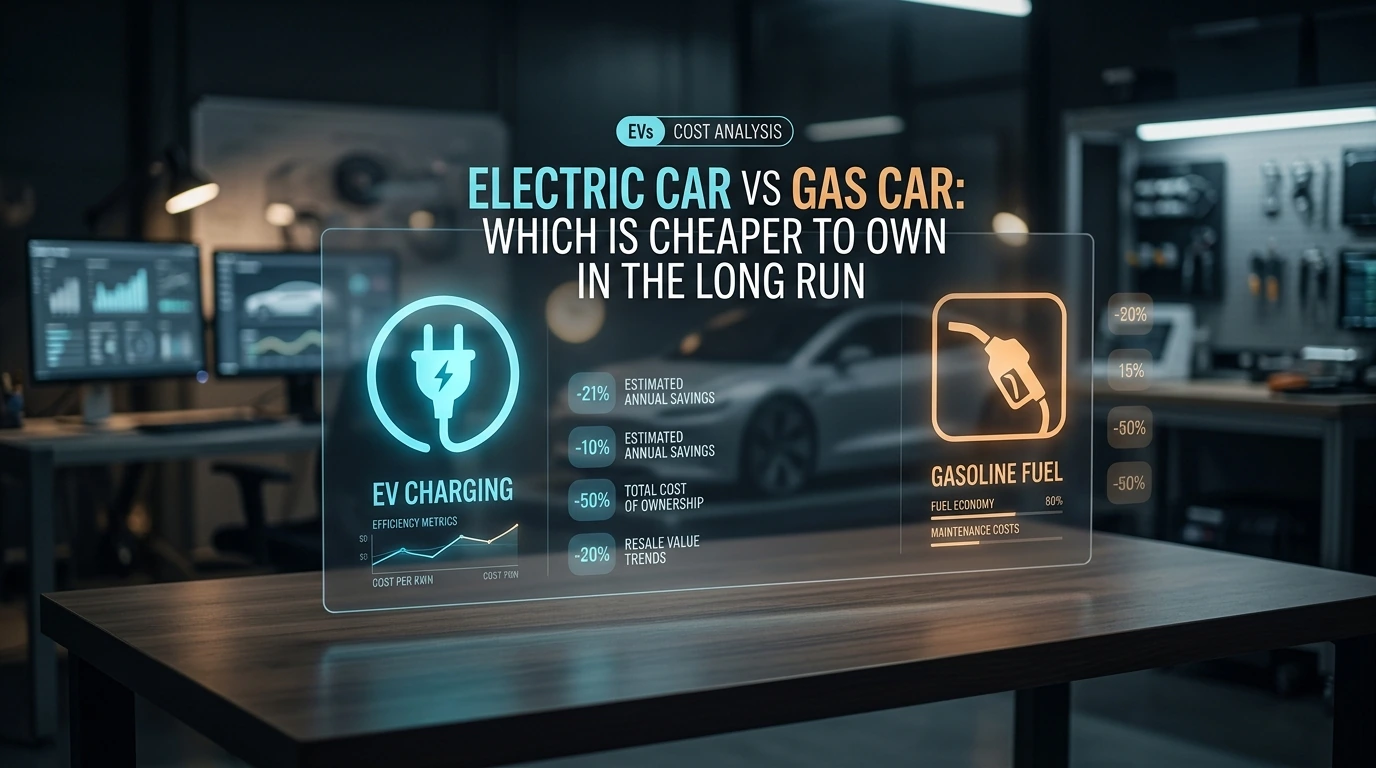
Deciding between an electric vehicle (EV) and a traditional gasoline-powered car involves more than just the initial sticker price. As of 2026, the automotive landscape has shifted considerably, making a comprehensive look at the total cost of ownership essential for any prospective buyer. This analysis delves into the financial realities of both options, examining everything from fuel and maintenance to incentives and depreciation.
Initial Investment: Purchase Price and Incentives
The upfront cost of an electric vehicle has historically been a significant barrier for many consumers. While EVs often carry a higher manufacturer's suggested retail price (MSRP) than comparable gasoline models, this gap has been narrowing considerably by 2026, especially in mainstream segments. Battery technology advancements and increased production scales contribute to this trend.
Government incentives continue to play a vital role in offsetting the initial cost of EVs. These can include federal tax credits, state rebates, and local programs for charging infrastructure. The availability and value of these incentives can vary significantly by region and specific vehicle models, often making a substantial difference in the effective purchase price. Gasoline cars, conversely, typically do not benefit from such direct purchase incentives.
Fueling the Drive: Electricity Versus Gasoline Expenses
One of the most apparent long-term cost differences emerges at the 'pump.' The cost of electricity for charging an EV is generally much lower than the cost of gasoline for an equivalent distance. This advantage is particularly pronounced for drivers who can charge at home during off-peak hours, leveraging lower electricity rates.
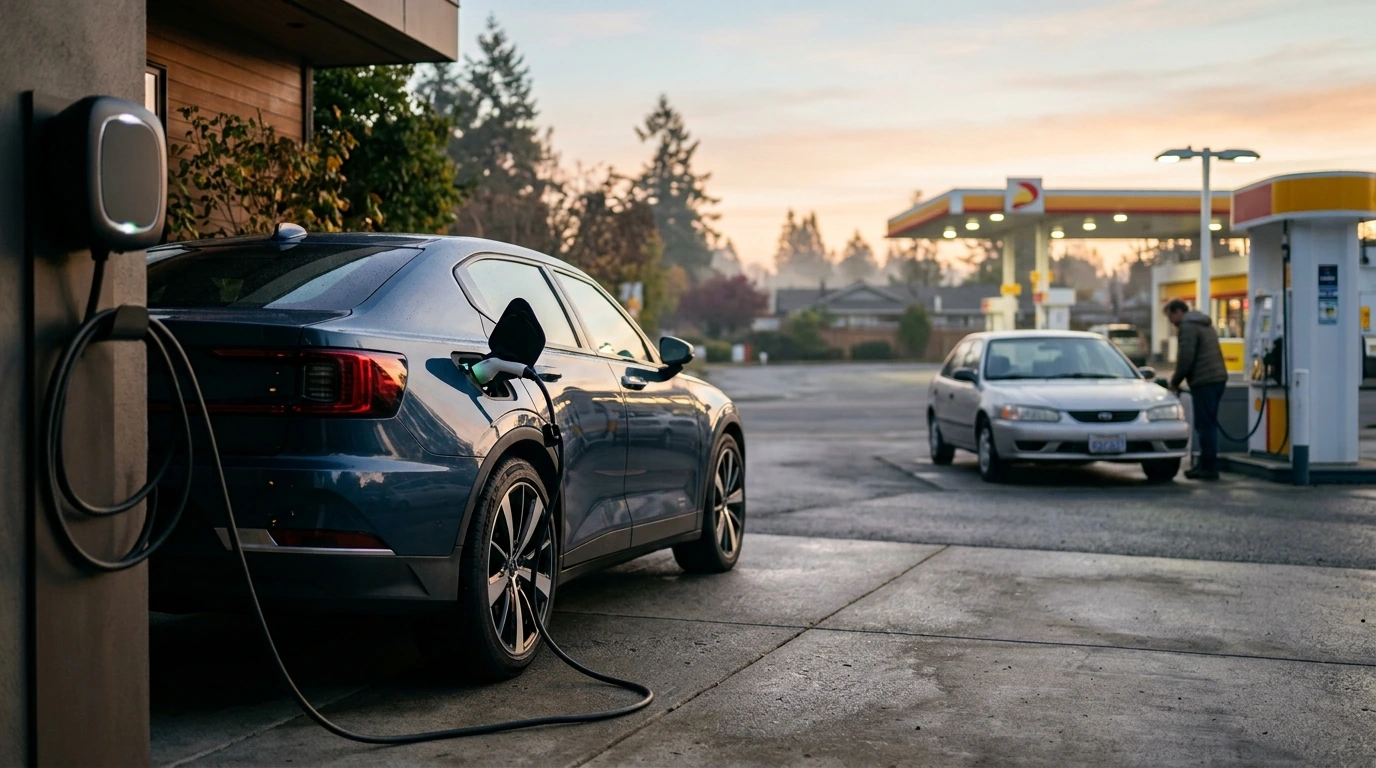
Public charging networks, while convenient, can sometimes have higher per-kilowatt-hour rates, especially for DC fast charging. However, even with these higher rates, the overall energy cost savings for EVs over several years of ownership are widely reported to be substantial compared to gasoline vehicles, which remain susceptible to volatile global fuel prices.
Maintenance and Repairs: Simplicity vs. Complexity
Electric vehicles are known for their simpler powertrains, featuring fewer moving parts than internal combustion engine (ICE) vehicles. This fundamental difference translates into significantly reduced maintenance requirements. EVs do not need oil changes, spark plug replacements, or complex exhaust system repairs. Brake wear can also be reduced due to regenerative braking systems.
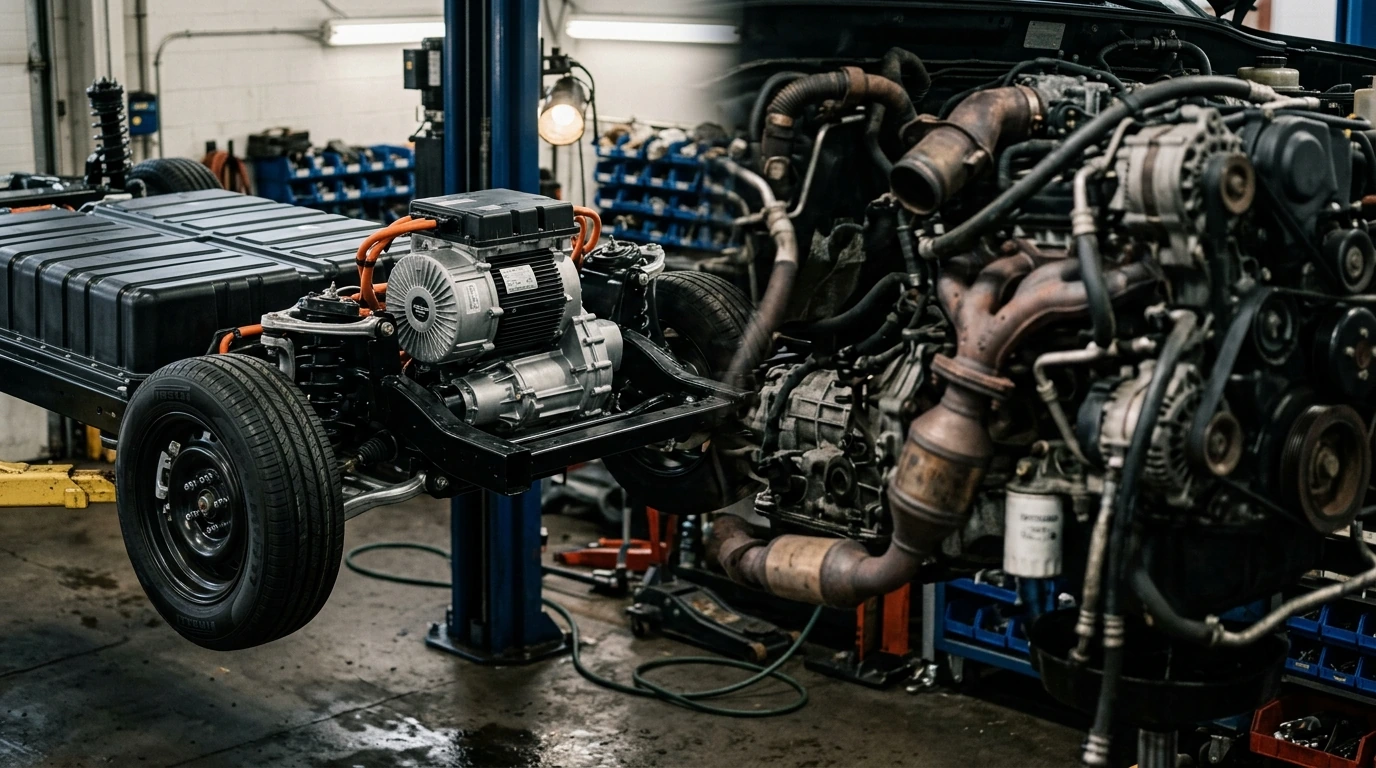
Gasoline cars, by contrast, require regular servicing involving fluid changes, filter replacements, and eventual wear-and-tear repairs on components like belts, hoses, and catalytic converters. While EV battery replacement costs can be a concern for very high-mileage vehicles, modern battery warranties (typically 8 years or 100,000 miles, sometimes more) mitigate this risk for most owners within a standard ownership period.
Insurance, Registration, and Resale Value
Insurance premiums for EVs can sometimes be slightly higher than for comparable gasoline cars, often due to the higher initial purchase price and specialized repair costs for advanced battery systems. However, as EV adoption grows and repair infrastructure matures, these differences are expected to normalize.
Registration fees can vary by state or province; some jurisdictions impose additional fees on EVs to compensate for lost gasoline tax revenue, while others offer discounts. It is crucial for buyers to research local regulations.
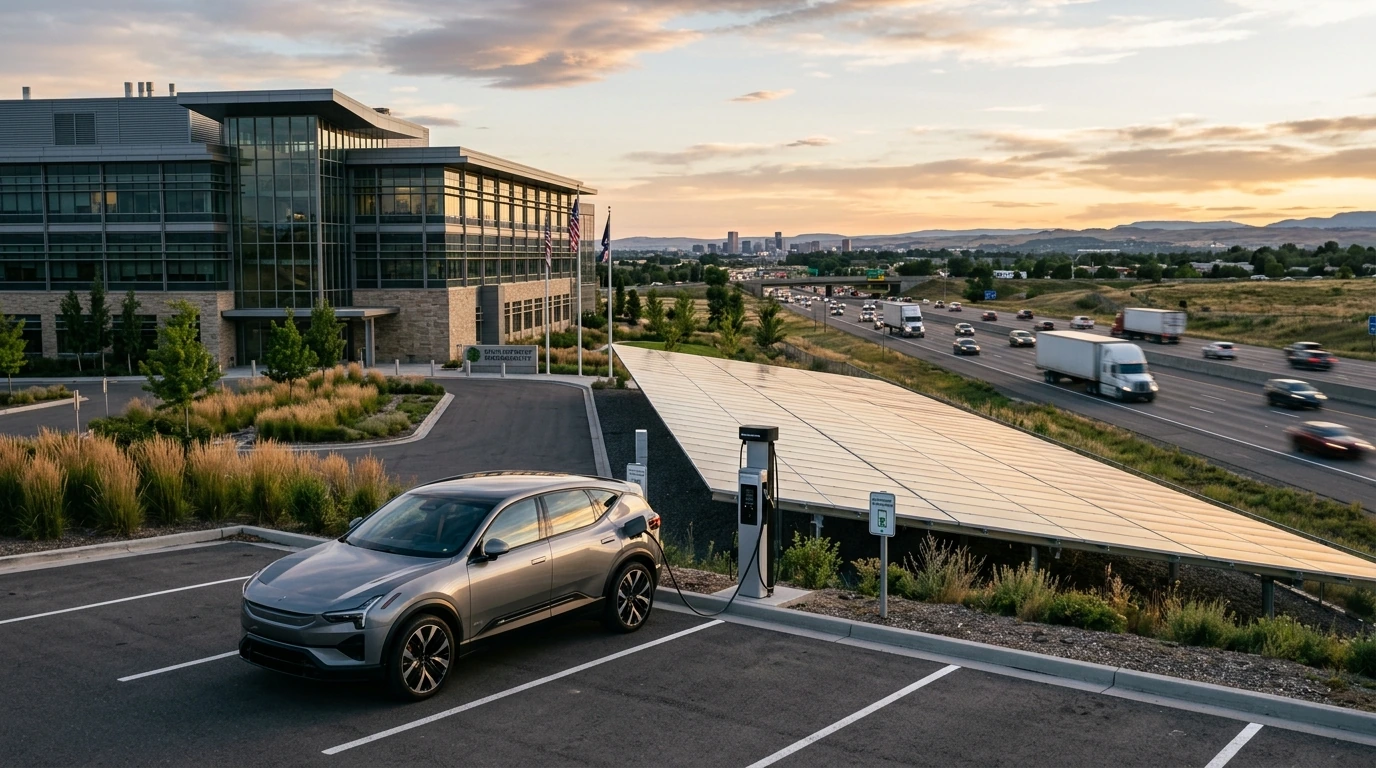
Regarding resale value, early data suggested faster depreciation for some EV models, but this trend has largely stabilized by 2026. Popular EV models with good range and charging capabilities often hold their value well, sometimes even outperforming comparable gasoline models, especially as demand for used EVs increases and battery technology proves its longevity.
Comparative Cost Breakdown: EV vs. ICE (Typical 5-Year Ownership)
Here's a generalized comparison of key ownership cost categories over a five-year period for a compact SUV in 2026, based on reported industry averages and official specifications. Actual figures will vary significantly by model, driving habits, and regional factors.
| Cost Category | Typical Electric Vehicle (EV) | Typical Gasoline Vehicle (ICE) |
|---|---|---|
| Purchase Price (Net of Incentives) | $35,000 - $55,000 | $30,000 - $50,000 |
| Fuel/Electricity (5 years) | $2,000 - $4,000 | $8,000 - $15,000 |
| Maintenance & Repairs (5 years) | $1,500 - $3,000 | $4,000 - $7,000 |
| Insurance (5 years) | $7,500 - $12,500 | $7,000 - $12,000 |
| Registration/Fees (5 years) | $500 - $1,000 | $500 - $1,000 |
| Home Charger Installation (Initial) | $500 - $2,000 (if needed) | N/A |
| Estimated Total Cost (5 years, excluding depreciation) | $47,000 - $75,500 | $50,500 - $85,000 |
Note: These figures are illustrative and represent typical ranges. Depreciation is excluded as it varies widely and is realized at resale.
Who Benefits Most: Matching Vehicles to Lifestyles
Electric Vehicles (EVs) are generally a better long-term financial choice for:
- Drivers with access to home charging, especially during off-peak hours.
- Individuals with predictable daily commutes who can easily manage range.
- Those living in regions with strong EV incentives and lower electricity rates.
- Environmentally conscious buyers prioritizing reduced emissions.
- Drivers seeking lower routine maintenance costs and a quieter driving experience.
Gasoline Vehicles (ICE) might still be more suitable for:
- Drivers who frequently undertake long road trips in areas with limited charging infrastructure.
- Those who live in apartments or homes without easy access to dedicated charging.
- Buyers in regions with minimal EV incentives and high electricity costs.
- Individuals with very low annual mileage, where fuel savings might not offset the EV's higher initial cost.

How to Buy Certified Industrial Fleet Spare Parts with Warranty: A Practical Procurement Guide →
Making the Informed Choice
In 2026, for the majority of drivers, an electric vehicle is indeed cheaper to own in the long run when considering the total cost of ownership over a typical 5-10 year period. The primary drivers of this cost advantage are significantly lower fuel (electricity) costs and reduced maintenance expenses. While the initial purchase price can still be higher, the combination of government incentives and operational savings often leads to a lower total expenditure over the vehicle's lifespan.
Prospective buyers should conduct a personalized cost analysis, factoring in local electricity and gasoline prices, available incentives, estimated annual mileage, and insurance quotes for specific models. For many, the financial benefits, coupled with the environmental advantages and refined driving experience, make the transition to an EV a compelling and economically sound decision.