
Industrial fleet managers face an unrelenting operational reality: unscheduled vehicle downtime can incur losses ranging from $2,500 to over $10,000 per vehicle each day. The global marketplace is flooded with refurbished components masquerading as pristine spares, grey-market imports stripped of manufacturer backing, and unvetted aftermarket duplicates that cause catastrophic drivetrain or hydraulic failures. Navigating this landscape requires a disciplined procurement protocol that guarantees component authenticity and secures rock-solid, enforceable warranties.
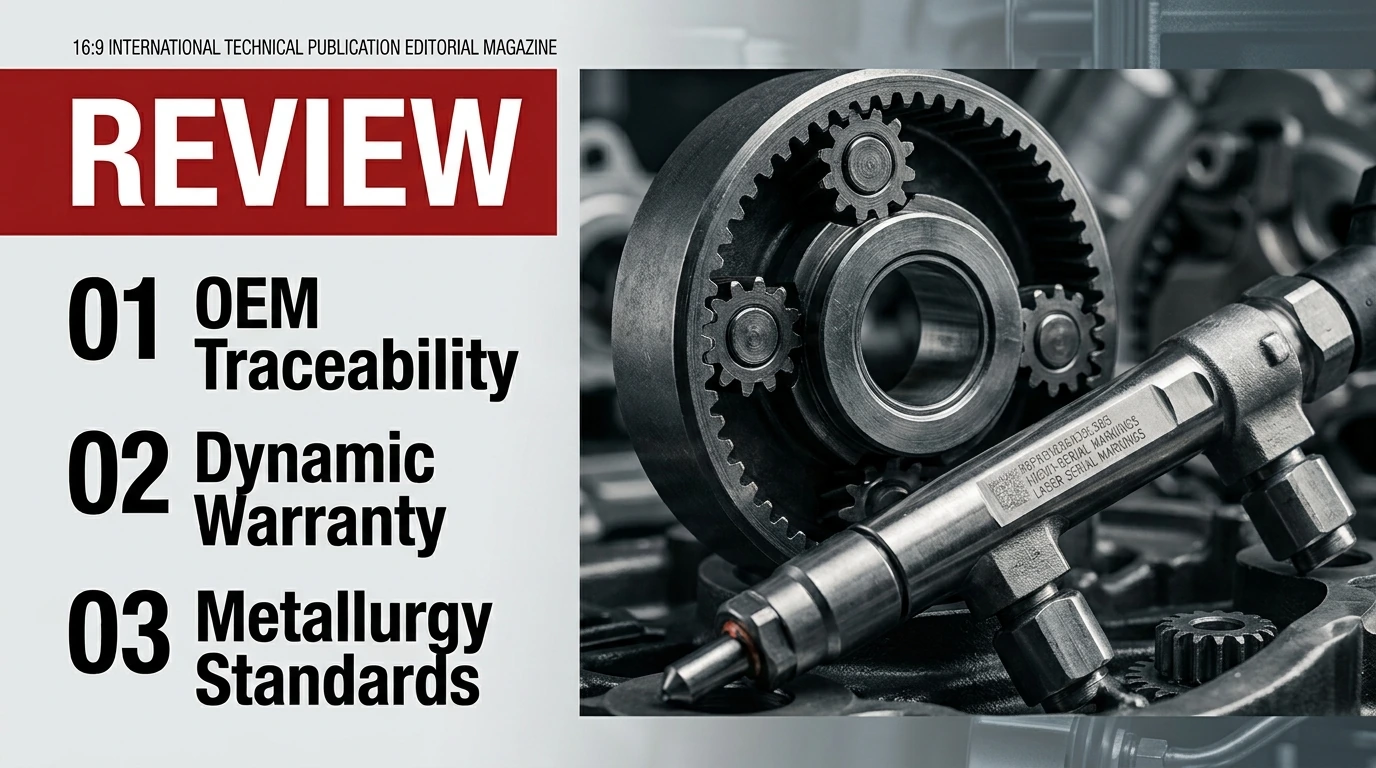
Required Prerequisites & Procurement Verification Toolkit
Before issuing requests for quotation (RFQs) or entering contracts for critical components, your fleet engineering and procurement teams must assemble the following documentation and diagnostic tools:
- Vehicle Maintenance Reporting Standards (VMRS) Database: Complete 9-digit coding mapping each asset’s sub-assemblies to pinpoint exact component fitment.
- OEM Parts Catalogs & Technical Service Bulletins (TSBs): Up-to-date documentation to verify latest engineering change notices (ECNs) and superseding part numbers.
- Digital Calipers & Optical Scanners: In-house inspection tools capable of reading 2D DataMatrix codes, micro-engraved serial tags, and verifying base dimensions.
- Supplier Quality Agreement (SQA) Templates: Pre-drafted legal rider templates stipulating warranty claims processing times, core charge credit parameters, and labor compensation agreements.
Step-by-Step Blueprint for Sourcing Certified Fleet Parts
Step 1: Map Traceability and Match Superseded Part Numbers
Heavy machinery and heavy-duty transport vehicles constantly undergo running engineering updates. Never procure components solely based on legacy manual part numbers. Cross-reference the chassis Vehicle Identification Number (VIN) or asset serial through the manufacturer’s real-time parts portal to ensure the component reflects the latest metallurgical and electronic revisions. Demand the supplier state the exact original equipment (OE) tier (OEM genuine, OEM direct-source tier-1, or certified remanufactured) to eliminate ambiguous intermediate branding.
Step 2: Authenticate Supplier Credentials and Compliance Certificates
Only source components from direct Tier-1 manufacturing suppliers or authorized franchised distributors. When vetting prospective industrial supply houses, mandate submittal of the following baseline certifications:
- ISO 9001 / IATF 16949: Confirms the manufacturing facility operates under rigid automotive and industrial quality management frameworks.
- Authorized Distribution Certificate: A current, verifiable letter from the OEM proving the distributor is authorized to sell and submit original factory warranty claims.
- Certificate of Conformance (CoC): Written validation stating the delivered lot strictly complies with OEM metallurgical and structural specifications.
Step 3: Define Dynamic Warranty Terms and Labor Allowances
A standard parts-only warranty is insufficient for commercial fleet operators. Replacing a prematurely seized hydraulic pump or fractured transmission countershaft incurs thousands of dollars in mechanical labor and secondary downtime. Structure purchase agreements that incorporate extended industrial protection:
- Comprehensive Labor Coverage: Ensure the warranty reimburses third-party or in-house mechanical labor hours according to standard repair times (SRT).
- Consequential Damage Clauses: Verify whether the failure of the covered component causing downstream damage (e.g., a shattered turbocharger compressor wheel destroying an intercooler and cylinder) is compensated.
- Operational Metric Tiers: Secure coverage framed either by operating hours (e.g., 5,000 to 10,000 run-hours) or mileage (e.g., 100,000 to 250,000 miles), whichever milestone occurs first.
Many component suppliers advertise an impressive "3-Year Unlimited Coverage" banner, but bury limitations in micro-clauses stating that replacements are subject to supplier discretion, credit notes only, or that replacement units carry no subsequent warranty duration. Insist on contracts where replacement units inherit a fresh warranty or carry through the entire duration of the original contract term.
Step 4: Conduct Rigorous Inbound Quality Verification
When shipments arrive at your central maintenance depot, run every batch through a receiving audit before checking items into enterprise resource planning (ERP) inventory. Inspect laser-etched serial numbers against shipping manifests, test 2D QR codes using the OEM's cryptographic authentication app, and check protective anti-corrosion packaging integrity. Never accept components exhibiting unsealed transit packaging or missing tamper-evident seals.
Common Pitfalls and Costly Sourcing Mistakes
Avoiding critical errors during fleet procurement protects capital allocations and vehicle uptime:
- Chasing Unrealistic Spot-Market Discounts: Discrepancies exceeding 30% below established OEM price indexes typically indicate unverified refurbished units, counterfeit internal subcomponents, or liquidations of rejected quality-control lots.
- Overlooking Core Return Stipulations: Remanufactured components require returning old cores within rigid timeframes (often 30 to 45 days) in unbroken condition. Missing these deadlines forfeits high deposit charges, negating bulk-procurement savings.
- Neglecting Batch-Level Traceability Records: Failing to log specific lot numbers to exact asset chassis during installation compromises fleet-wide recall procedures if a safety defect is subsequently issued by the manufacturer.
Post-Implementation Verification Checklist
Implement this final operational checklist to lock in warranty eligibility across the component lifecycle:
- Component serial, lot number, and digital invoice permanently tied to asset maintenance profile in CMMS/ERP.
- Installation executed by certified technicians strictly following OEM torque specs and fluid priming directives.
- Initial diagnostic baseline recorded (e.g., dynamic fluid pressure, operating temperature, electrical resistance).
- Physical copy of warranty registration submitted to manufacturer portal within the mandated registration window (typically 14-30 days post-installation).
Mastering Heavy Machinery Spare Parts Procurement: Enterprise Vendor Selection and Lifecycle Resilience →
Frequently Asked Questions
What is the difference between OEM, OES, and certified aftermarket parts?
OEM (Original Equipment Manufacturer) parts are identical to the units installed on the assembly line, branded by the vehicle maker. OES (Original Equipment Supplier) parts are produced by the third-party company that built the original part, sold under their own brand without the vehicle maker's logo. Certified aftermarket parts are manufactured by independent companies and validated by recognized engineering bodies to match or exceed OE specifications.
How can fleet operators protect against counterfeit components?
Procure parts strictly through verified franchised distributors, demand official Certificates of Conformance, and utilize manufacturer digital verification apps to scan tamper-evident holographic serials. In-house metallurgical non-destructive testing (NDT) can also be utilized for high-volume, safety-critical suspension and brake hardware.
What voids a certified industrial spare part warranty?
Common triggers that void coverage include improper installation without factory-recommended tools, contaminated operating fluids, neglecting preventative maintenance intervals documented in telematics logs, and exceeding OEM gross vehicle weight ratings (GVWR) or hydraulic pressure tolerances.