
Understanding the inner workings of an electric vehicle (EV) can seem complex, particularly with the rapid advancements in automotive technology. As we navigate 2026, the global shift towards electric mobility continues to accelerate, driven by innovations that make these vehicles more efficient, powerful, and accessible than ever before. This guide aims to demystify the core components and operational principles that define modern electric cars, offering a clear perspective for anyone curious about embracing the future of driving.
The Fundamental Architecture of an Electric Vehicle
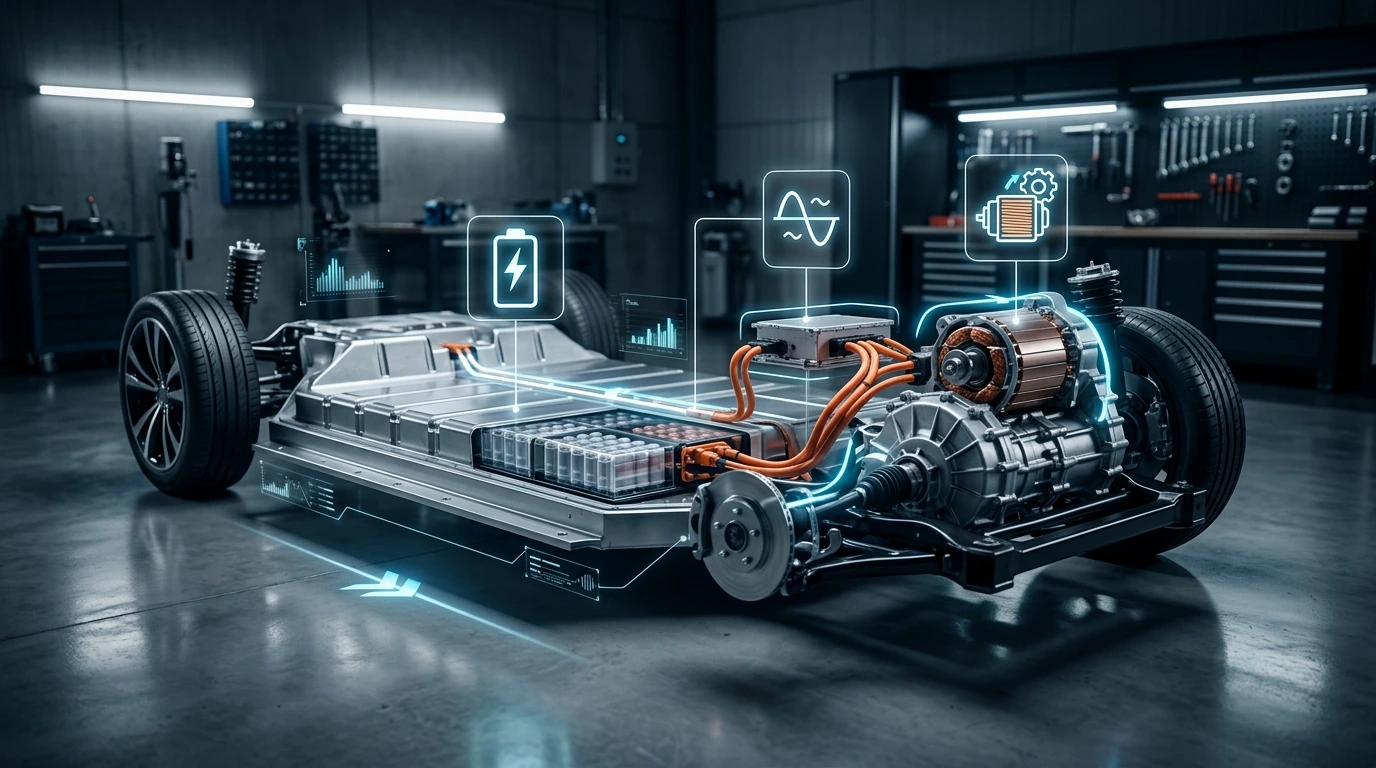
At its heart, an electric vehicle operates on a simpler principle than its internal combustion engine (ICE) counterpart, yet it integrates sophisticated electronic and electrical systems. The primary components that define an EV's powertrain are the battery pack, the electric motor(s), the power inverter, and the on-board charger. Each plays a distinct role in propelling the vehicle.
- Battery Pack: This is the energy reservoir, typically a large array of lithium-ion cells, similar in chemistry to those found in consumer electronics but scaled up significantly. Modern EV battery packs are engineered for high energy density, thermal management, and structural integrity, often forming a structural component of the vehicle chassis. Capacities vary widely, from around 40 kWh for compact models to over 100 kWh for premium, long-range vehicles, influencing the vehicle's range per charge.
- Electric Motor(s): Instead of an engine, EVs use one or more electric motors to convert electrical energy into mechanical rotation. Permanent magnet synchronous motors (PMSM) and induction motors are common types. These motors deliver instant torque, meaning maximum power is available from a standstill, contributing to the characteristic quick acceleration of EVs.
- Power Inverter: This crucial component converts the direct current (DC) stored in the battery pack into alternating current (AC) to power the electric motor. It also manages the flow of energy during regenerative braking, converting AC from the motor back into DC to recharge the battery.
- On-Board Charger: When an EV is plugged into an AC power source (like a home outlet or a Level 2 charging station), the on-board charger converts that AC power into DC power that the battery can store. Its power rating dictates how quickly the vehicle can charge from AC sources.
The Journey of Power: From Charge Port to Road
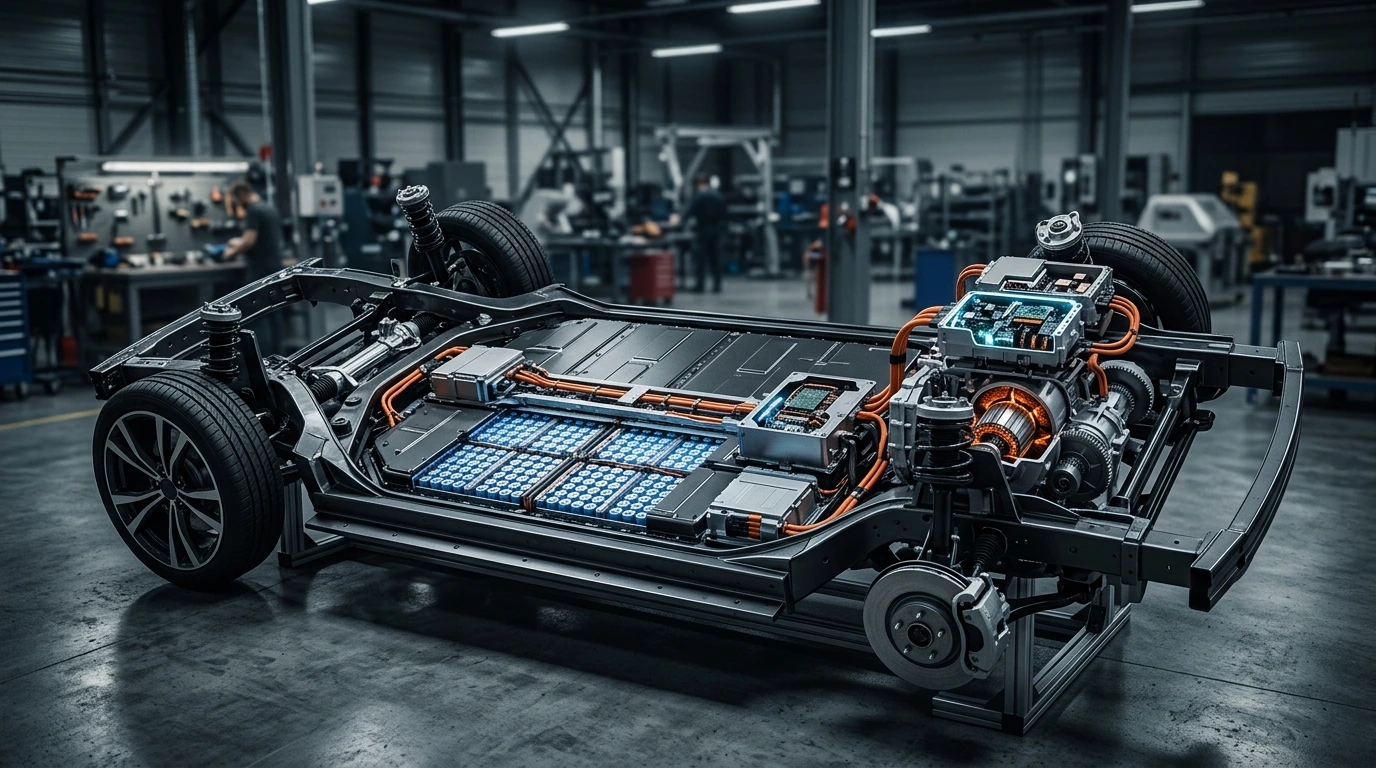
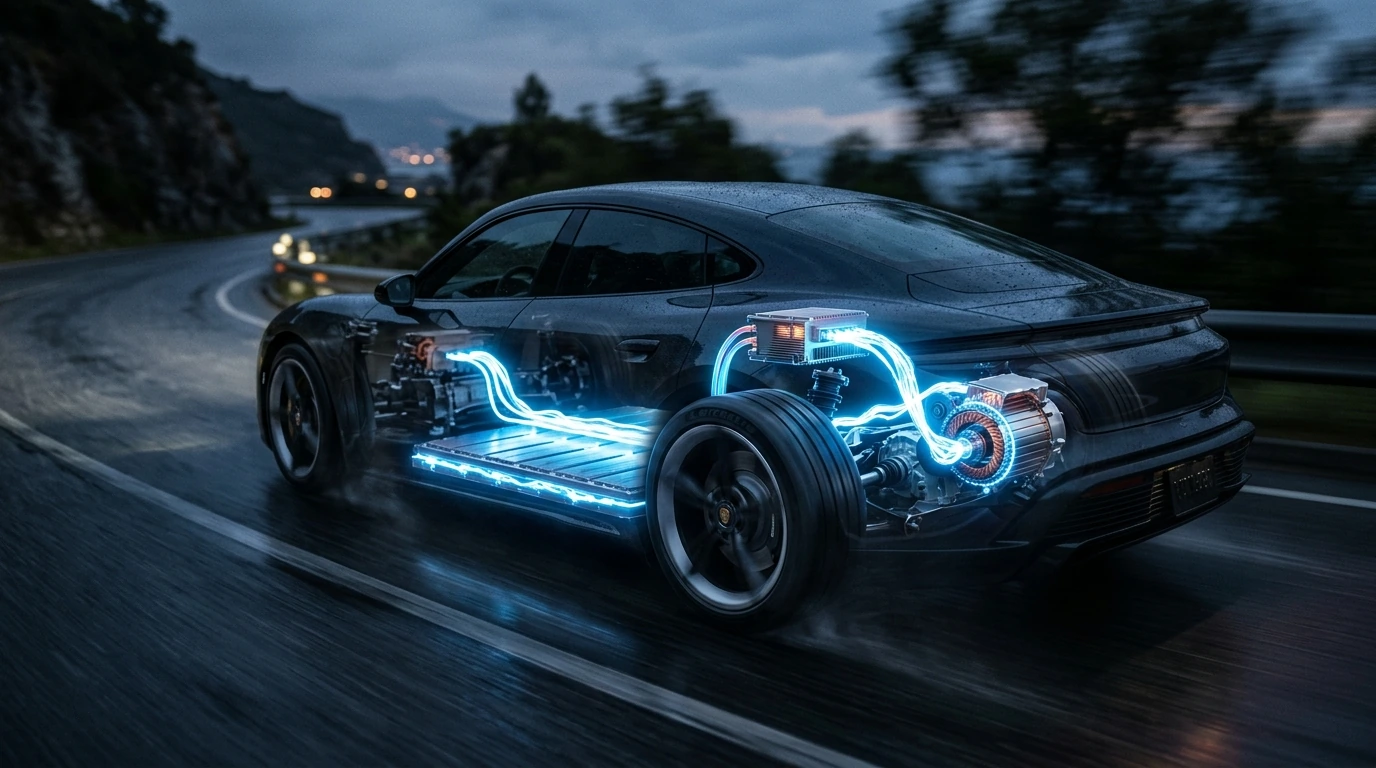
The operational cycle of an EV begins with charging. Once the battery is sufficiently charged, the vehicle is ready for motion. When the driver presses the accelerator, the battery sends DC electricity to the power inverter. The inverter transforms this DC into AC, precisely controlling the frequency and voltage to regulate the speed and torque of the electric motor. The motor then spins, turning the drivetrain and ultimately the wheels.
A significant efficiency advantage of EVs is regenerative braking. When the driver lifts off the accelerator or applies the brakes, the electric motor reverses its function, acting as a generator. It converts the kinetic energy of the moving vehicle back into electricity, which is then sent via the inverter to recharge the battery. This process not only extends the vehicle's range but also reduces wear on traditional friction brakes.
Navigating the Charging Landscape
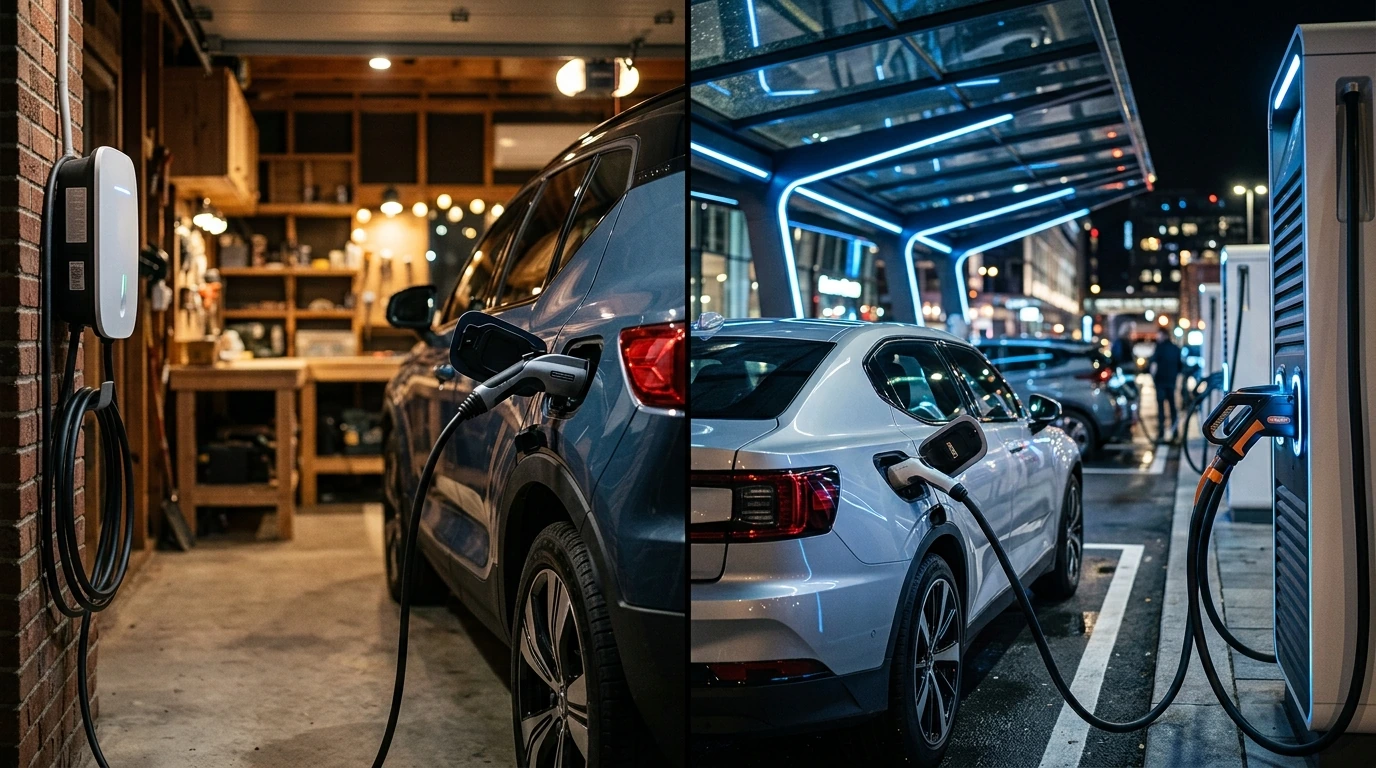
Charging an electric vehicle involves understanding different levels and connector types. The infrastructure has expanded significantly by 2026, offering more options than ever.
- Level 1 Charging: Utilizes a standard 120V household outlet. It's the slowest option, typically adding 3-5 miles of range per hour. Ideal for overnight charging for drivers with minimal daily commutes.
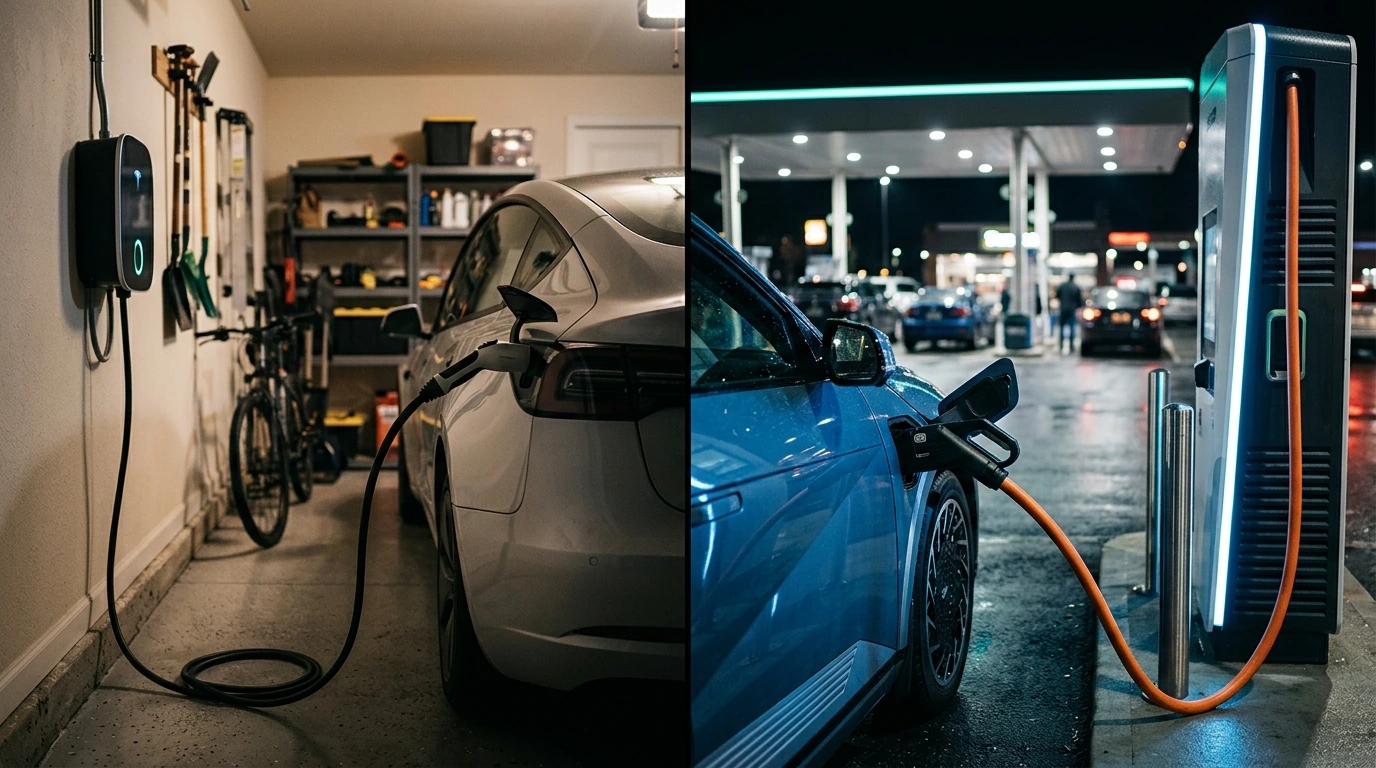
- Level 2 Charging: Requires a 240V outlet, similar to those used for electric dryers. This is the most common home charging solution, delivering 20-30 miles of range per hour, fully charging most EVs overnight. Public Level 2 chargers are also widespread.
- DC Fast Charging (Level 3): These stations provide direct current to the battery, bypassing the on-board charger for much faster charging speeds. Depending on the EV model and charger power (e.g., 50 kW, 150 kW, 350 kW), an EV can gain 80% charge in 20-60 minutes. Connector standards include CCS, NACS (North American Charging Standard), and CHAdeMO, though NACS is seeing increasing adoption across manufacturers.
Beyond the Basics: Advantages and Real-World Considerations
The benefits of electric vehicles extend beyond their mechanical simplicity. Drivers often cite the quiet operation, smooth acceleration, and lower running costs as significant advantages. Electricity is generally cheaper per mile than gasoline, and EVs typically require less maintenance due to fewer moving parts and the absence of oil changes.
However, practical considerations remain. The initial purchase price of an EV can still be higher than a comparable ICE vehicle, though government incentives and total cost of ownership often offset this. Range anxiety, the concern about running out of charge, is diminishing with longer ranges and expanded charging networks, but trip planning for long journeys remains important. Cold weather can also temporarily reduce battery efficiency and range, a factor often managed by advanced battery thermal management systems.
PRO TIP: Optimize Charging Habits
For optimal battery health and longevity, aim to keep your EV's charge between 20% and 80% for daily driving. Only charge to 100% when preparing for a long trip, and avoid letting the battery consistently drop below 20%.
How to Buy Certified Industrial Fleet Spare Parts with Warranty: A Practical Procurement Guide →
Is an EV Right for You? A Value Perspective
Deciding whether an EV fits your lifestyle in 2026 involves weighing various factors. For urban commuters or those with predictable daily routes and access to home charging, an EV offers substantial savings on fuel and maintenance, coupled with a superior driving experience. Families seeking a second vehicle for local errands often find an EV to be an economical and environmentally conscious choice.
Drivers who frequently undertake long road trips without easy access to fast charging might still find traditional hybrids or ICE vehicles more convenient, though the rapid growth of charging infrastructure is quickly closing this gap. Ultimately, the value proposition of an EV is strong for a growing segment of consumers, offering a blend of performance, efficiency, and a reduced environmental footprint that aligns with contemporary global priorities.
Frequently Asked Questions About EVs
- What is the typical lifespan of an EV battery?
Most manufacturers offer warranties for EV batteries lasting 8 years or 100,000 miles (whichever comes first), but many batteries are projected to last significantly longer, often exceeding 150,000 to 200,000 miles with proper care. - Are electric vehicles truly zero-emission?
While EVs produce zero tailpipe emissions, the overall environmental impact depends on the source of electricity used for charging. When charged with renewable energy, their lifecycle emissions are significantly lower than gasoline vehicles. - How does cold weather affect EV range?
Cold temperatures can temporarily reduce an EV's range by 10-30% due to decreased battery efficiency and increased energy demand for cabin heating. Pre-conditioning the cabin while plugged in can mitigate some of this effect. - Is it expensive to replace an EV battery?
Battery replacement costs can be substantial, but significant degradation requiring full replacement is rare within the vehicle's typical lifespan. As technology advances and production scales, replacement costs are expected to decrease over time.