How long does it truly take to replenish an electric vehicle's battery, and what differentiates charging at home versus utilizing public infrastructure? The answer, while seemingly straightforward, involves a nuanced interplay of battery capacity, charger type, and ambient conditions. For prospective and current EV owners, understanding these variables is key to optimizing daily usage and long-distance travel.
Key Takeaways
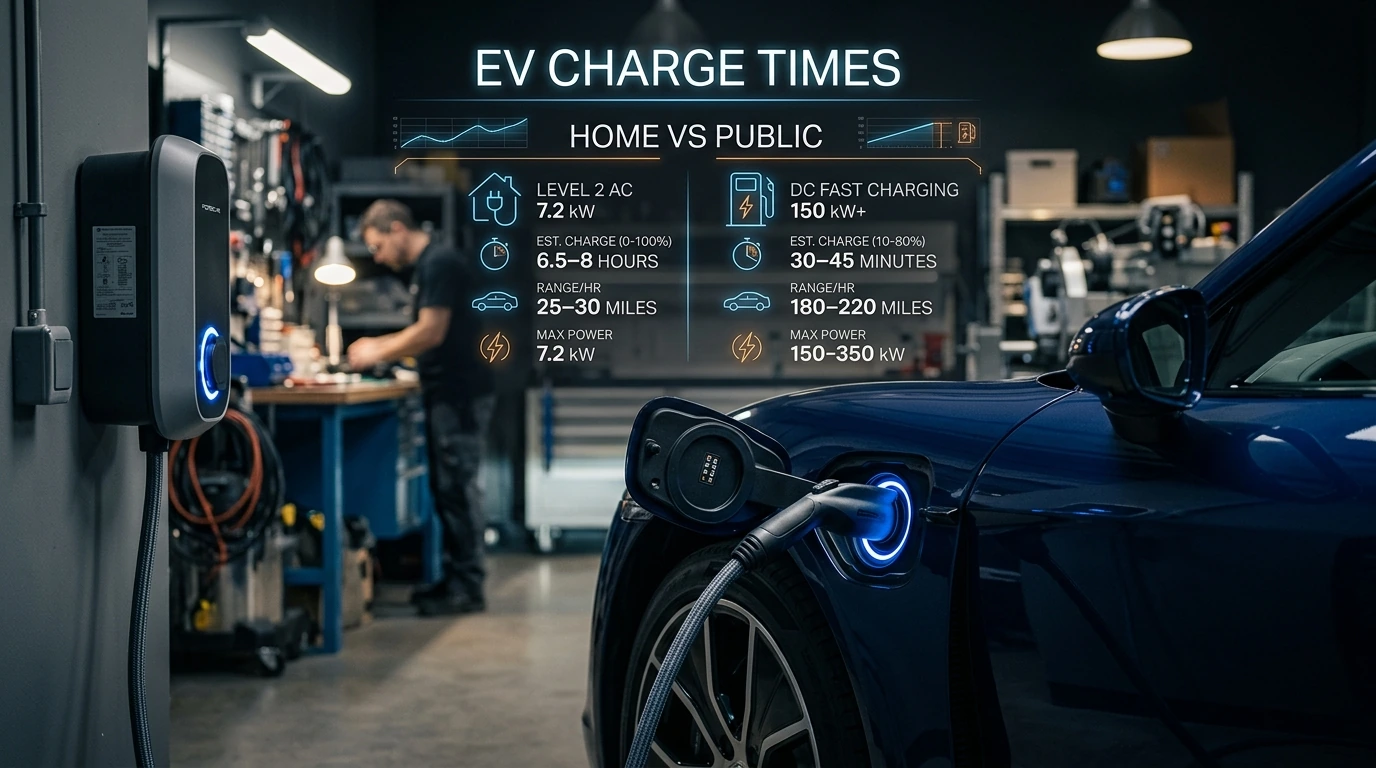
- Home charging (Level 2) typically takes 4-12 hours for a full charge, ideal for overnight replenishment.
- Public DC Fast Charging can add 80% range in 20-60 minutes, proving crucial for long-distance journeys.
- Battery size, charger power output, and the vehicle's maximum acceptance rate are primary determinants of charging speed.
- Strategic charging, balancing convenience with cost-effectiveness, is essential for an optimal EV ownership experience.
At a high level, the charging landscape for electric vehicles is bifurcated into two primary modes: the consistent, slower pace of home charging and the rapid, on-the-go capabilities of public charging. Most EVs can achieve a full charge overnight using a Level 2 home charger, while public DC fast chargers are designed to deliver significant range in under an hour, catering to different operational needs and schedules.
Understanding Charging Levels and Infrastructure
The speed at which an electric vehicle recharges is fundamentally dictated by the charging level utilized, each delivering power at different rates. These levels are standardized across the industry, though specific power outputs can vary by region and manufacturer.
- Level 1 (120V AC): This is the slowest method, using a standard household outlet. It typically delivers 1.4 to 1.9 kW, adding approximately 2-5 miles of range per hour. While universally accessible, it's primarily suitable for plug-in hybrids or for topping off an EV over an extended period, often exceeding 24 hours for a full charge on larger battery packs.
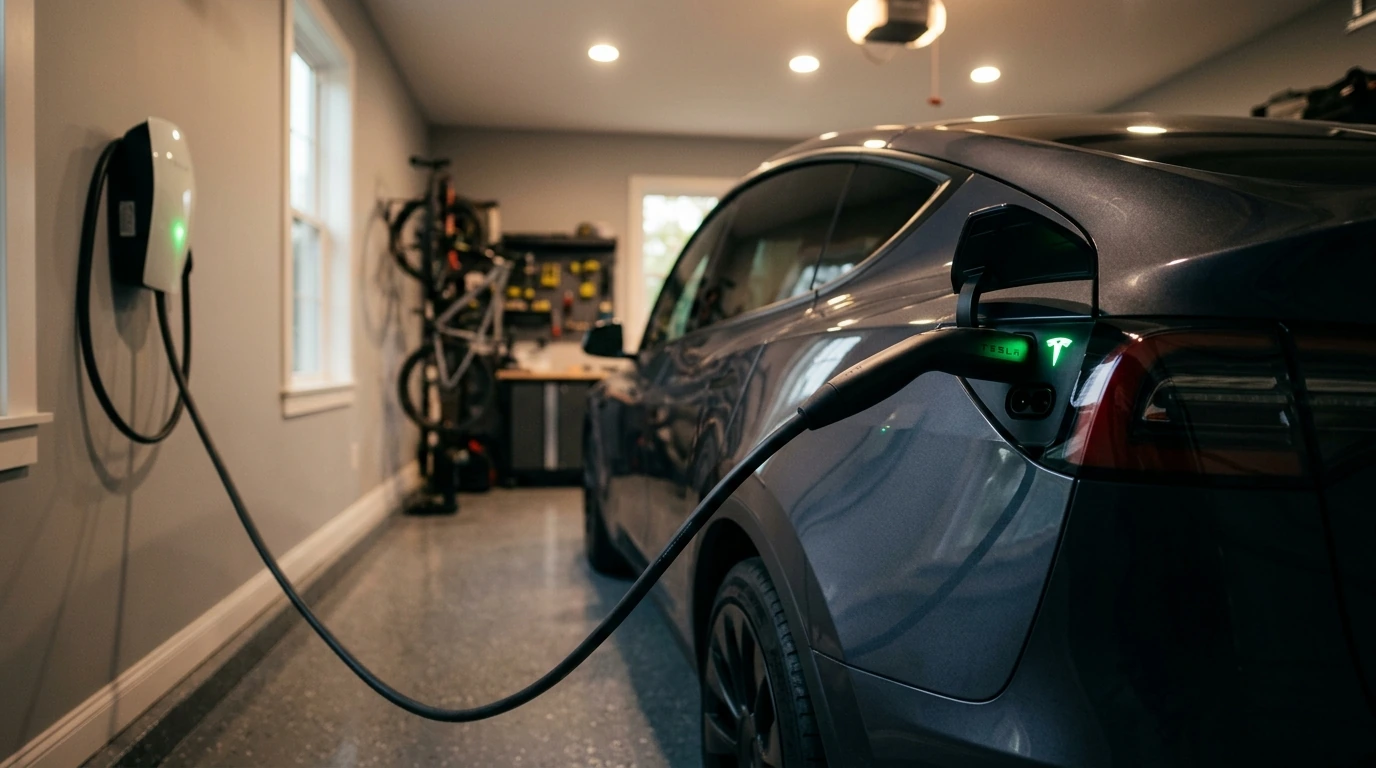
- Level 2 (240V AC): The most common home charging solution, and also prevalent in public destinations like workplaces and retail centers. Level 2 chargers typically range from 3.3 kW to 19.2 kW. A 7.7 kW Level 2 charger, a widely installed home unit, can add around 25 miles of range per hour. This means a full charge for a typical 60 kWh EV battery could take 8-10 hours, while a larger 100 kWh battery might require 12-14 hours.
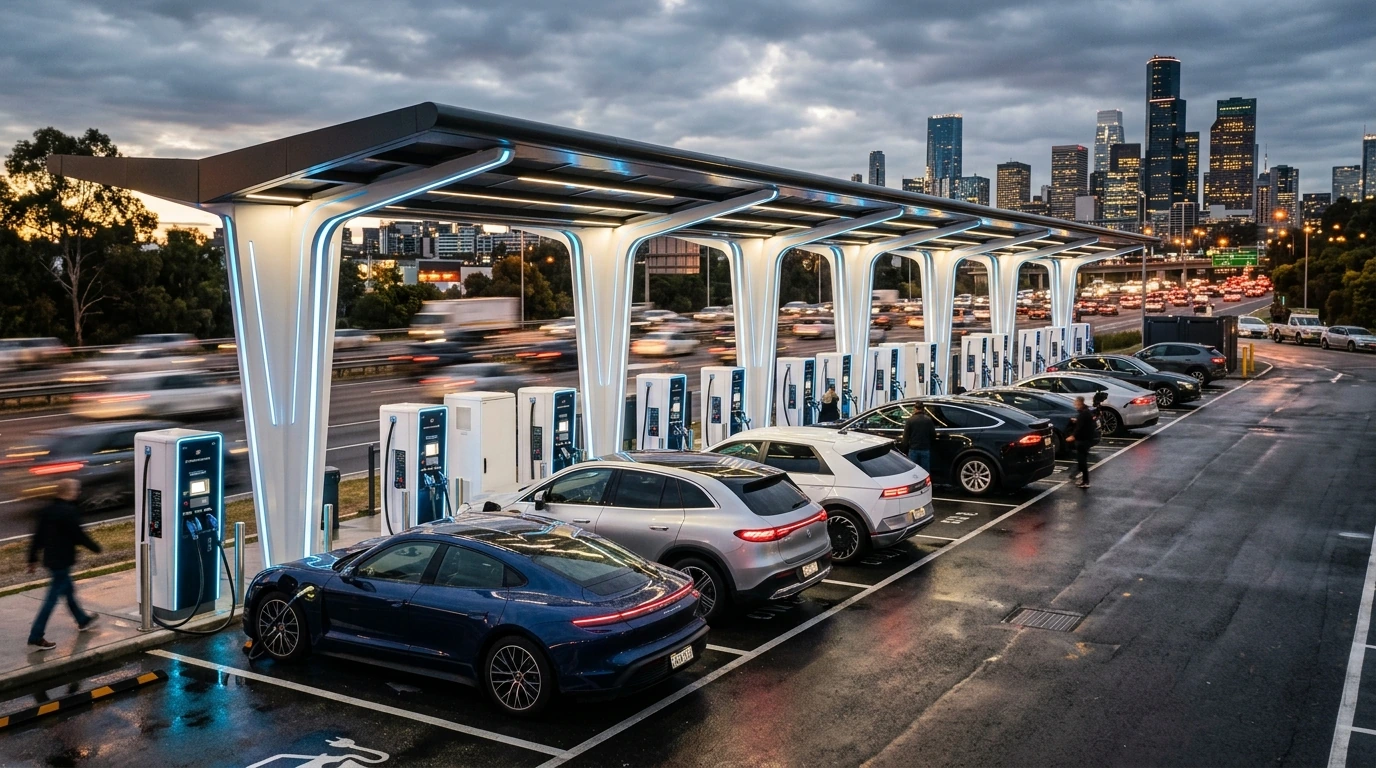
- DC Fast Charging (DCFC / Level 3): These high-power stations convert AC to DC power directly, bypassing the vehicle's onboard charger to deliver energy much faster. DCFC units typically start at 50 kW and can extend to 350 kW or even higher. For most modern EVs, a 150 kW DC fast charger can replenish a battery from 10% to 80% in approximately 20-40 minutes, depending on the vehicle's battery size and charging curve.
Connector types also play a role. The J1772 connector is standard for Level 1 and Level 2 AC charging in North America. For DC fast charging, CCS (Combined Charging System) is the most common standard, with NACS (North American Charging Standard) gaining significant traction, and CHAdeMO still present in some older infrastructure.
Real-World Charging Scenarios: From Driveway to Highway
The practical duration of an EV charge is influenced by several factors beyond just the charger's stated power output. Battery size, the vehicle's maximum charging acceptance rate, and even ambient temperature significantly impact the process.
Consider a typical 75 kWh EV battery. On a 7.7 kW Level 2 home charger, a full charge from near empty would theoretically take around 9.7 hours (75 kWh / 7.7 kW). However, most owners do not deplete their battery entirely, opting to top off overnight, which reduces the effective charging time needed.
For long-distance travel, DC fast charging becomes indispensable. A modern EV with a 100 kWh battery might accept up to 250 kW at peak. However, charging speeds are not linear; they typically slow down considerably after the battery reaches 80% state of charge (SoC) to protect battery health. This is why most recommendations for DCFC focus on charging to 80% rather than 100%. For instance, a vehicle capable of 200 kW peak charging might take 25 minutes to go from 10% to 80% SoC, but another 30-40 minutes to reach 100%.
PRO TIP: Battery Preconditioning
Many modern EVs feature battery preconditioning. When navigating to a DC fast charger, the vehicle's thermal management system can warm or cool the battery to an optimal temperature for rapid charging, significantly improving charging speeds, especially in extreme weather conditions. Always check if your EV supports this feature and enable it for faster public charging.
Advantages and Limitations of Each Charging Method
Each charging method presents a distinct set of advantages and limitations, influencing their suitability for different user needs.
- Home Charging (Level 1 & 2):
- Pros: Unparalleled convenience, allowing for overnight charging at the lowest cost per kWh. It integrates seamlessly into daily routines, ensuring a full battery each morning.
- Cons: Level 1 is exceptionally slow, often insufficient for primary charging. Level 2 requires professional installation, which incurs an upfront cost for the charging equipment and electrical work.
- Public DC Fast Charging:
- Pros: Delivers rapid energy, making long-distance travel feasible by minimizing downtime. It's ideal for quick top-ups during errands or when home charging is unavailable.
- Cons: Generally more expensive per kWh than home charging. Availability can be an issue in some areas, and frequent use of DCFC, particularly to 100%, can potentially accelerate battery degradation over the long term, according to widely reported consensus and manufacturer guidelines.
Optimizing Your EV Charging Strategy
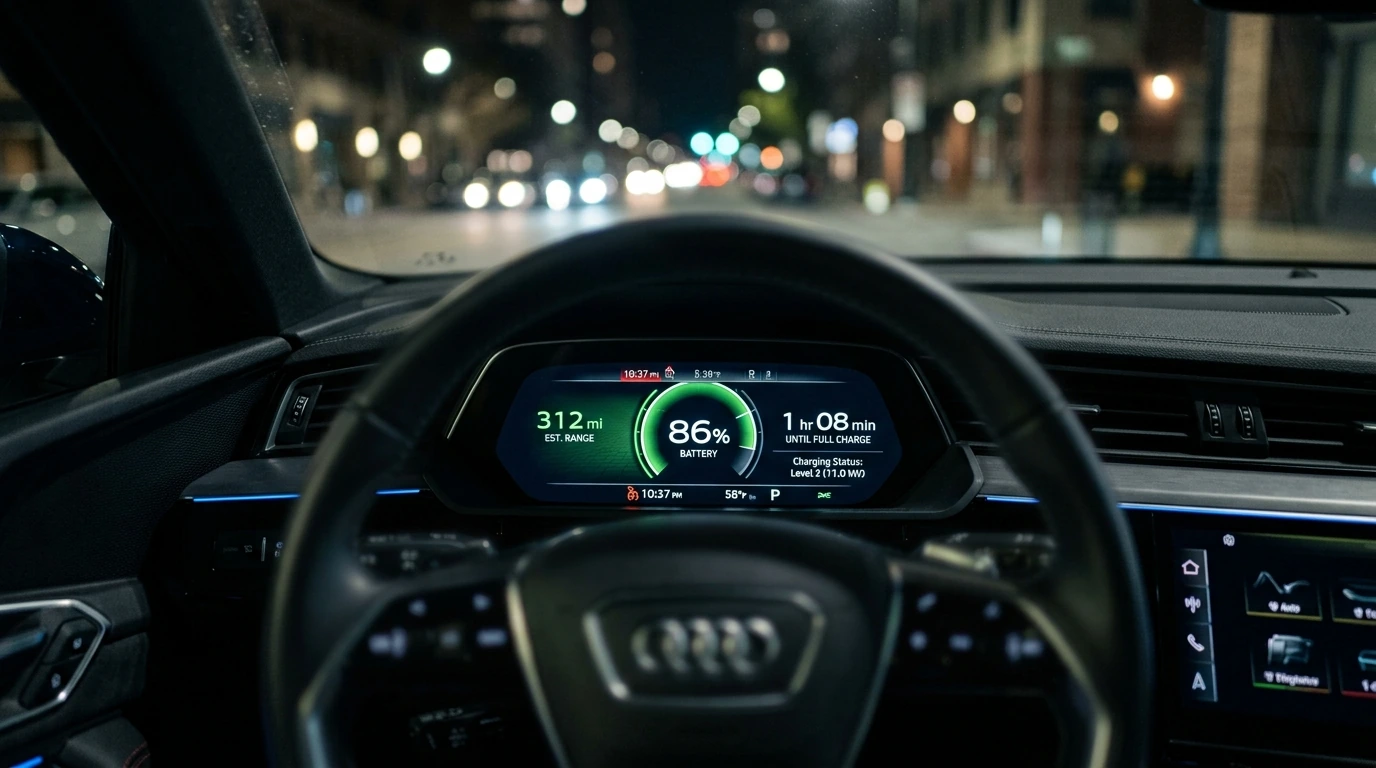
Choosing the right charging approach involves balancing convenience, cost, and typical driving patterns. For most EV owners, a Level 2 home charger represents the most practical and cost-effective primary charging solution. Installing a 240V outlet or a dedicated EVSE (Electric Vehicle Supply Equipment) allows for consistent overnight charging, ensuring a full battery for daily commutes and errands.
Public charging, particularly DCFC, should be viewed as a complementary solution. It's invaluable for road trips, unexpected long drives, or when visiting areas without home charging access. Planning routes using in-car navigation or dedicated charging apps that display charger availability and power levels can significantly reduce range anxiety.
When considering an EV purchase, prospective buyers should evaluate their daily mileage, access to home charging, and the prevalence of public charging infrastructure along their frequent routes. The total cost of ownership is often improved by maximizing home charging, as electricity rates are typically lower than public charging fees. Understanding these dynamics allows for a more informed decision and a more seamless transition to electric mobility.