
To the casual observer, MotoGP riders are daredevils steering rocket-fast motorcycles around asphalt ribbons at speeds exceeding 220 mph (350 km/h). In reality, these athletes are among the most physically conditioned and mentally resilient sportspeople on Earth, balancing extreme G-forces, rapid dehydration, and split-second cognitive decision-making. Understanding what it takes to reach and survive at this pinnacle of two-wheel motorsport reveals a fascinating intersection of human biology, elite engineering, and relentless ambition.
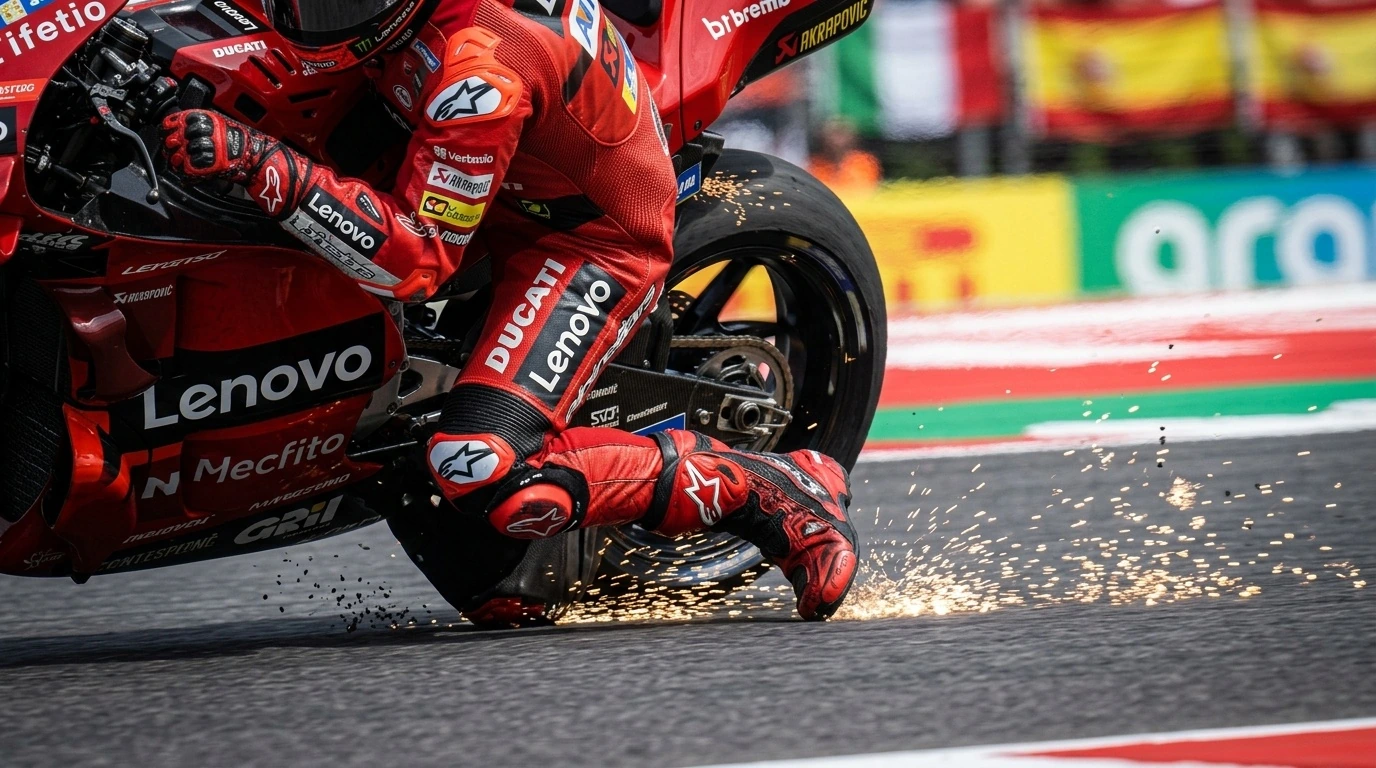
- Extreme Physicality: Riders maintain average heart rates of 170–180 bpm for 45 minutes while battling severe heat and G-forces.
- The Talent Pipeline: Reaching the premier class requires climbing a strict ladder from junior championships through Moto3 and Moto2.
- Technological Adaptation: Modern aerodynamics and ride-height devices have drastically altered how riders physically steer and balance their bikes.
- Cognitive Mastery: Success depends on a rider's ability to process telemetry, manage tire degradation, and make tactical decisions at high speeds.
The Brutal Physical Reality of a MotoGP Rider
Driving a modern MotoGP machine is a full-body workout of the highest intensity. Unlike Formula 1 drivers who are securely harnessed into a cockpit, a MotoGP rider uses their entire body as a aerodynamic sail, a counterweight, and a suspension component. During a single lap, a rider will transition from tucking tightly behind a tiny windscreen to hanging completely off the side of the machine, dragging their knee and elbow along the tarmac.
To understand the physical toll, consider a specific real-world scenario: braking at the end of the main straight at the Mugello circuit in Italy. A rider approaches San Donato corner at roughly 225 mph (362 km/h). Within approximately five seconds, they must brake hard enough to shed 160 mph, experiencing deceleration forces up to 1.5g. During this window, the rider's arms and shoulders must support their entire body weight against the fuel tank, all while maintaining the delicate finger precision required to modulate the front brake lever without losing traction.
Additionally, cockpit temperatures can soar above 120°F (49°C) in hot climates like Malaysia or Indonesia. Clad in thick, armored kangaroo-leather suits, riders can lose up to three kilograms (6.6 lbs) of water weight via sweat during a 45-minute race. This level of dehydration rapidly degrades cognitive function, making peak physical cardiovascular endurance a safety requirement rather than just a competitive advantage.
The Modern Riding Style: Aerodynamics and Ride-Height Devices
The physical demands on MotoGP riders have shifted dramatically due to rapid technological evolution. The introduction of advanced aerodynamics (winglets) and mechanical ride-height devices (which lower the bike's rear end out of corners to prevent wheelies) has changed how these bikes handle.
In the past, riders relied heavily on a smooth, flowing style to preserve corner speed. Today, the massive downforce generated by aerodynamic wings makes the bikes incredibly heavy to transition from left to right at high speeds. This requires immense upper-body strength. Furthermore, because the bikes stop faster and accelerate harder than ever before, the modern riding style has evolved into a "V-shaped" line: braking incredibly deep, squaring off the corner, and picking the bike up as quickly as possible to exploit the traction offered by the massive rear tire and downforce wings.
Pro Tip: Aspiring racers often focus solely on cardio, but elite MotoGP training heavily emphasizes eccentric neck and core stability, alongside forearm endurance, to combat the brutal deceleration forces of carbon brakes.
Comparing the Three Grand Prix Classes
The road to MotoGP is highly structured. Riders must prove themselves in lighter, less powerful classes before they are trusted with a 300-horsepower premier-class prototype. The table below outlines how the demands and machinery change across the three Grand Prix tiers.
| Class | Engine / Power | Minimum Weight | Primary Riding Characteristic |
|---|---|---|---|
| Moto3 | 250cc Single-Cylinder (~60 hp) | 152 kg (Bike + Rider) | Extreme corner speed, drafting, and tight pack racing. |
| Moto2 | 765cc Three-Cylinder (~140 hp) | 217 kg (Bike + Rider) | Rear-wheel steering, sliding under braking, and electronic management. |
| MotoGP | 1000cc V4/Inline-4 (~300 hp) | 157 kg (Bike only) | Managing extreme acceleration, aerodynamic downforce, and ride-height systems. |
The Mental Game and Cognitive Load
At 200 mph, a rider covers nearly 100 yards every single second. At this speed, there is no time for active, step-by-step thinking; everything must be instinctual and pre-programmed through thousands of hours of practice. However, a rider cannot simply rely on autopilot. Throughout a race, they must manage a shifting matrix of variables:
- Tire Degradation: As the rubber wears down, the rider must adjust their lean angles and throttle application to prevent crash-inducing slides.
- Engine Mapping: Riders manually toggle fuel mixtures, engine braking levels, and traction control settings via buttons on the handlebars to suit the changing weight of the bike as fuel burns off.
- Rival Tactics: Observing where a competitor is weak to plan a clean overtaking maneuver without overheating their own front tire in the dirty air of the bike ahead.
Consider the second real-world scenario: a damp track during a flag-to-flag race where riders must decide when to enter the pit lane to swap to a bike fitted with wet-weather tires. This decision requires balancing track feel, weather forecasts communicated via dashboard displays, and calculating the risk of staying out on slick tires on a wet track. A single miscalculation results in either a catastrophic highside crash or lost championship points.
Common Career Pitfalls to Avoid
The path to becoming a successful MotoGP rider is littered with talent that burned out too quickly. Understanding these common pitfalls highlights why mental maturity is just as critical as raw speed.
Overriding a Deficient Bike: When a manufacturer's motorcycle lacks competitive pace, young riders often try to compensate by pushing past the safe limits of the tires. This frequently leads to a cycle of heavy crashes, concussions, and lost confidence. Successful riders learn the art of "bringing the bike home" to secure points while working constructively with engineers to fix the mechanical issues.
Neglecting the Recovery Window: Because the MotoGP season is incredibly long and grueling, riders often rush back from injuries. Returning to ride a 300-horsepower machine with unhealed fractures or torn ligaments can lead to chronic, career-ending physical compensations.
Frequently Asked Questions
What is the average height and weight of a MotoGP rider?
Most MotoGP riders are relatively compact, typically standing between 5'5" (165 cm) and 5'10" (178 cm), and weighing between 130 lbs (59 kg) and 150 lbs (68 kg). While taller riders can compete successfully, their larger physical profile creates more aerodynamic drag on long straights and adds extra weight that must be managed by the tires.
How do MotoGP riders cope with arm pump?
Arm pump (chronic exertional compartment syndrome) occurs when intense forearm pressure restricts blood flow, causing numbness and loss of strength. Most riders undergo a minor surgical procedure called a fasciotomy, where the fascia surrounding the muscle is cut to relieve pressure and restore blood flow.
Do MotoGP riders use their rear brake?
Yes, extensively. While the front brake provides about 70-80% of the stopping power, riders use the rear brake to stabilize the bike mid-corner, adjust their line, and control wheelies during acceleration. Many use a thumb-operated or finger-operated rear brake lever on the left handlebar instead of the traditional foot pedal.
How do riders train off the track?
To avoid burnout and injury, riders rarely train on actual MotoGP bikes outside of official tests. Instead, they build cardio endurance and fast reflexes using dirt track (flat track) motorcycles, motocross, cycling, and advanced gym routines focusing on core and neck strength.
The Future of Elite Riding
As MotoGP continues to push the boundaries of mechanical and aerodynamic engineering, the definition of an elite rider is shifting. The era of the raw, purely instinctive racer is transitioning into an era of the hyper-analytical athlete. Tomorrow's champions are those who can seamlessly merge their physical bravery with the analytical mindset of a data engineer, translating split-second physical sensations into actionable feedback for their teams. It is this unique combination of sheer physical courage and high-tech intellectualism that makes MotoGP riders some of the most compelling athletes in modern sports.