
The global motorcycle industry is undergoing its most radical transformation in a generation, driven by tightening emissions standards and rapid technological integration. Whether you are a weekend track-day enthusiast, a long-distance tourer, or an urban commuter, these industry shifts are fundamentally altering how we ride, buy, and maintain our bikes. Understanding these changes is essential for making informed decisions about your next motorcycle purchase and staying ahead of the regulatory curve.
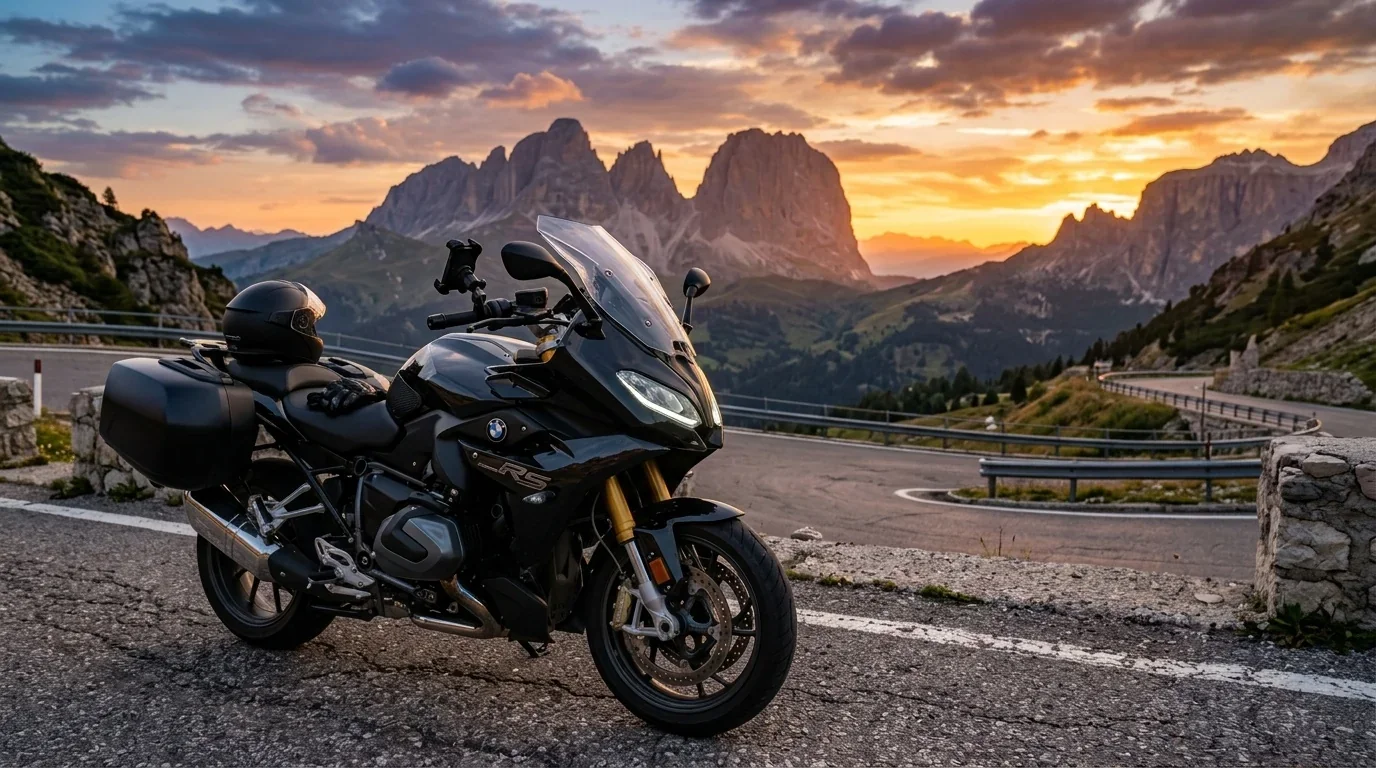
- The Powertrain Split: Urban commuting is rapidly shifting toward electric power, while high-performance and touring segments are exploring synthetic e-fuels to preserve internal combustion.
- Active Safety Tech: Radar-guided cruise control and cornering ABS are transitioning from premium novelties to standard safety equipment.
- Software Dependencies: Modern motorcycles increasingly rely on over-the-air updates, introducing new considerations for long-term ownership and maintenance.
- Market Adaptation: Traditional manufacturers are partnering with tech firms to accelerate development cycles and match consumer expectations for connectivity.
The Dual-Track Future: Electric Commuters vs. E-Fuel Performance
The debate between electric propulsion and internal combustion engines (ICE) is no longer a simple binary choice. Instead, the motorcycle market is splitting into distinct categories based on rider utility and range requirements.
In urban environments, electric motorcycles and high-powered e-scooters are winning the efficiency battle. With instant torque, quiet operation, and minimal maintenance, lightweight electric platforms are highly practical for short-range daily trips. Major manufacturers are focusing their electrification efforts on these smaller platforms, recognizing that battery weight is less of a penalty in stop-and-go city traffic.
Conversely, for heavyweight touring, adventure riding, and high-performance sportbikes, battery weight remains a significant engineering hurdle. To achieve a realistic highway range, electric bikes require heavy batteries that compromise handling and agility. This has opened the door for synthetic e-fuels. Brands like Porsche and various MotoGP suppliers are investing heavily in carbon-neutral synthetic fuels. These drop-in fuels run in existing internal combustion engines, offering a potential lifeline for the traditional exhaust note and high-revving character that enthusiasts cherish.
Advanced Rider Assistance Systems (ARAS) Go Mainstream
Safety technology is evolving far beyond basic traction control. Advanced Rider Assistance Systems (ARAS) utilize front- and rear-facing radar sensors to create a protective envelope around the motorcycle. These systems enable features like adaptive cruise control, forward collision warnings, and blind-spot detection.
While some purists argue that these systems dilute the pure riding experience, the safety benefits are difficult to ignore. In practice, these systems act as a silent co-pilot, intervening only when a critical threshold is crossed.
Radar-guided safety systems are designed to assist, not take control. Unlike in cars, a motorcycle cannot safely apply emergency braking at 100% capacity without risking rider instability. Always maintain active scanning and do not rely solely on blind-spot sensors before changing lanes.
Scenario 1: Navigating Wet Urban Streets
Consider a commuter riding home on a rainy November evening. Streetlights reflect off greasy, wet asphalt, and visibility is poor. As a car suddenly brakes ahead, the motorcycle's forward radar detects the rapid closure rate before the rider can react, pre-charging the braking system. When the rider applies the front brake lever, the cornering ABS modulates pressure based on the bike's lean angle, preventing a low-side slide on the slick surface. This seamless integration of hardware and software is saving lives daily.
Comparing the Paths: Electric, E-Fuels, and Traditional ICE
To understand where your next investment should go, it is helpful to compare how these competing technologies stack up across key ownership metrics.
| Metric | Electric (EV) | Synthetic E-Fuels | Traditional ICE (Gasoline) |
|---|---|---|---|
| Primary Use Case | Urban commuting, short sprints | Performance, long-distance touring | General riding, budget commuting |
| Infrastructure Reliance | High (needs EV charging network) | Low (uses existing gas stations) | Low (ubiquitous fuel stations) |
| Environmental Impact | Zero tailpipe emissions | Near carbon-neutral lifecycle | High tailpipe emissions |
| Maintenance Profile | Very low (no oil, valves, or plugs) | Standard mechanical maintenance | Standard mechanical maintenance |
Smart Helmets and V2X Communication
The motorcycle is no longer an isolated machine; it is becoming part of the broader digital ecosystem. Vehicle-to-Everything (V2X) communication allows motorcycles to transmit data to surrounding cars, traffic signals, and smart infrastructure. If a car ahead is about to run a red light, your motorcycle can receive an alert before the vehicle is even in your line of sight.
This tech is finding its way to the rider via smart helmets and heads-up displays (HUD). By projecting speed, navigation prompts, and blind-spot alerts directly onto the visor, riders can keep their eyes on the road rather than glancing down at a handlebar-mounted screen or phone.
Scenario 2: Remote Touring and the Infrastructure Gap
Imagine an adventure rider crossing the remote stretches of the American West or the Australian Outback. On a traditional ICE bike, carrying a spare gallon of fuel is a simple, lightweight solution to bridge a 250-mile gap between stations. For an electric adventure bike, this scenario requires meticulous route planning around Level 2 or DC fast chargers, which may be non-existent in rural areas. This highlights why liquid fuels—whether fossil or synthetic—will remain dominant in the touring and adventure sectors for years to come.
Common Pitfalls for Modern Bike Buyers
As motorcycles become more complex, buyers face new challenges that did not exist a decade ago. Avoid these common mistakes when shopping for a new machine:
- Ignoring Subscription-Locked Features: Some manufacturers now lock premium features (like heated grips, quickshifters, or advanced ride modes) behind software paywalls. Always verify what features are permanent and which require an ongoing subscription.
- Underestimating Insurance Costs: Motorcycles equipped with complex radar sensors, TFT screens, and carbon fiber fairings are significantly more expensive to repair after a minor drop. Check insurance quotes before buying a high-tech model.
- Overlooking Battery Health in Used EVs: If buying a used electric motorcycle, request a certified battery health diagnostic. Replacing a degraded battery pack can cost a significant percentage of the bike's total value.
Frequently Asked Questions
Will gas-powered motorcycles be banned in the near future?
While several regions are targeting transitions to zero-emission passenger cars by the mid-2030s, motorcycles generally face more lenient timelines or exemptions. Additionally, the development of synthetic e-fuels aims to keep internal combustion engines legal and viable long after fossil fuel sales phase down.
Are electric motorcycles practical for highway commuting?
Yes, but with caveats. Highway speeds drag down battery range significantly due to aerodynamic resistance. If your daily commute involves sustained speeds over 70 mph, ensure the bike's highway-rated range is at least double your round-trip distance to account for weather and battery degradation.
Can I retrofit older motorcycles with modern safety tech?
While you can add aftermarket blind-spot sensors and dashcams, sophisticated systems like cornering ABS and lean-sensitive traction control require integrated Inertial Measurement Units (IMUs) and factory-tuned ECU programming. These cannot be safely retrofitted to older bikes.
How long do electric motorcycle batteries last?
Most modern lithium-ion motorcycle batteries are designed to last between 50,000 and 100,000 miles before dropping to 80% of their original capacity. For the average rider, this represents over a decade of regular use.
The Road Ahead: Making Your Decision
The motorcycle world is not losing its soul; it is merely expanding its toolkit. The key to navigating this transition is matching your riding style to the right technology. If your riding consists of urban commuting and short weekend runs, embracing the low maintenance and instant torque of an electric platform makes practical sense. However, if you live for long-distance touring, remote exploration, or the mechanical symphony of a multi-cylinder engine, investing in a refined ICE platform remains a highly viable and rewarding path. Stay informed, protect your riding freedom, and choose the machine that truly fits your journey.