
Ignoring your car's subtle warning signs is an expensive gamble that eventually leads to roadside breakdowns and inflated repair bills. While modern vehicles are highly sophisticated, the core principles of preventive maintenance remain the single best way to protect your financial investment. By mastering a few basic checks and knowing when to call in a professional, you can keep your vehicle running safely and efficiently for hundreds of thousands of miles.
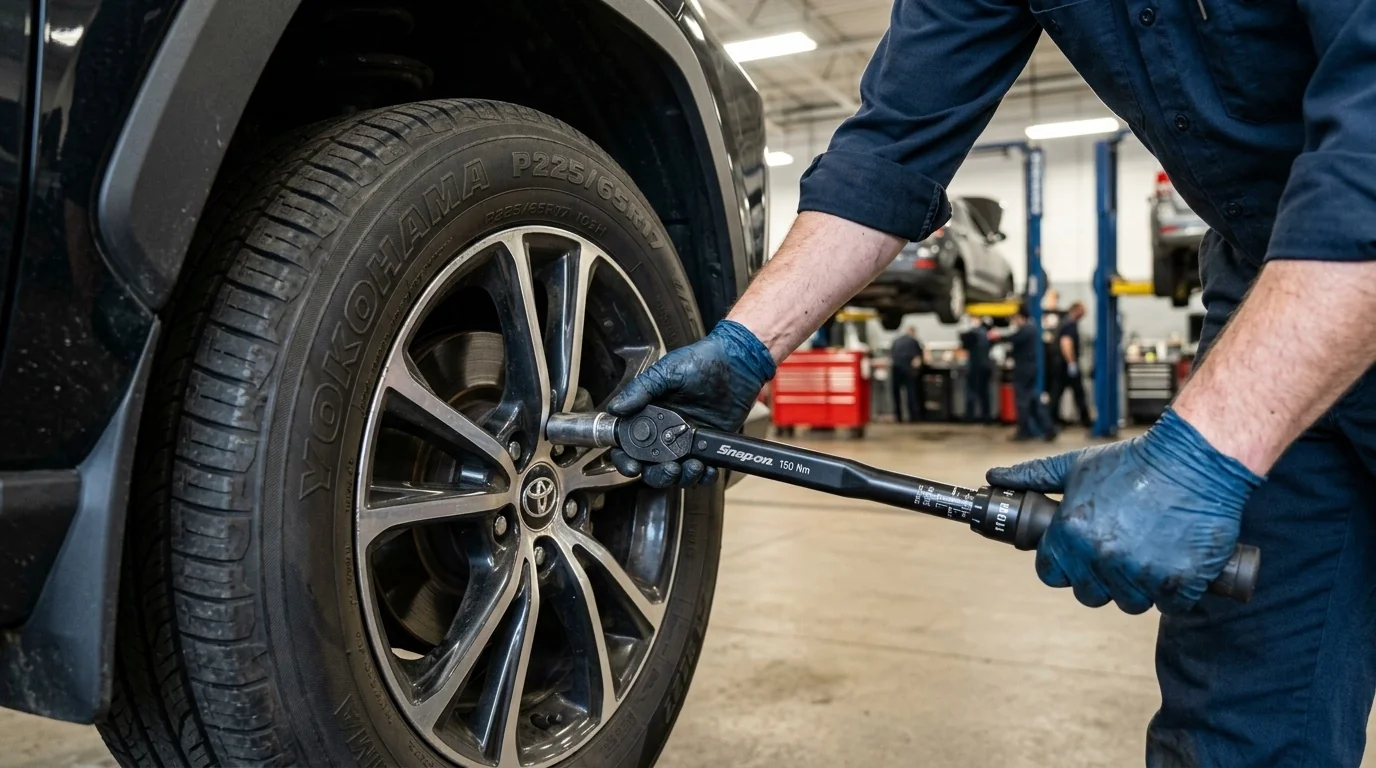
- Fluids are vital: Regularly check engine oil, coolant, and brake fluid to prevent catastrophic engine and system failures.
- Tailor your schedule: If you drive in stop-and-go traffic or extreme temperatures, follow the manufacturer's "severe" maintenance schedule.
- Tires dictate safety: Correct tire pressure and regular rotations extend tread life and ensure optimal braking performance.
- Know your limits: Balance simple DIY tasks like cabin filter swaps with professional service for complex brake or transmission work.
The Preventive Maintenance Philosophy: Spend Now to Save Later
Many drivers view vehicle maintenance as an inconvenient chore or an unnecessary expense. However, shifting your mindset from reactive repairs to proactive maintenance is a major financial win. Spending $80 on a scheduled oil change prevents a $5,000 engine replacement. Similarly, replacing worn brake pads for $150 saves you from paying $1,000 to replace ruined rotors and calipers later.
Every vehicle leaves the factory with a maintenance schedule designed by the engineers who built it. This schedule is not a loose set of suggestions; it is a roadmap to longevity. Neglecting these milestones causes minor wear to compound into major mechanical failures, ultimately destroying your car's resale value and safety margin.
Essential Maintenance Schedule and Intervals
While every make and model has specific requirements, the following table outlines the standard intervals and DIY feasibility for critical maintenance tasks on traditional internal combustion engines.
| Maintenance Task | Typical Interval | DIY Feasibility | Risk of Neglect |
|---|---|---|---|
| Engine Oil & Filter | 5,000 to 10,000 miles | Moderate | Engine sludge, accelerated wear, total engine seizure |
| Tire Rotation | 6,000 to 8,000 miles | Moderate | Uneven tread wear, reduced traction, premature tire replacement |
| Engine & Cabin Air Filters | 15,000 to 30,000 miles | Easy | Reduced fuel economy, poor engine performance, dusty cabin air |
| Brake Pads & Fluid | Inspect every 10,000 miles | Hard | Increased stopping distances, metal-on-metal grinding, brake failure |
| Coolant Flush | 30,000 to 100,000 miles | Moderate | Engine overheating, internal radiator corrosion, blown head gasket |
Real-World Scenarios: The Cost of Neglect vs. Care
To understand how these principles work in practice, let's look at two common scenarios that drivers face every day.
Scenario 1: The Commuter's Neglected Coolant
Sarah uses her compact SUV for a daily 40-mile commute through heavy stop-and-go city traffic. Her owner's manual recommended a coolant inspection and flush at 60,000 miles. Believing that coolant "lasts forever" because the car ran perfectly, she skipped the service. At 72,000 miles, during a summer heatwave, the degraded coolant failed to regulate engine temperatures. The engine overheated, warping the cylinder head and blowing the head gasket. Sarah was left with a $2,800 repair bill and a week without her vehicle—a situation that a $120 coolant service would have easily avoided.
Scenario 2: The Proactive Tire Rotator
Mark drives an all-wheel-drive sedan. He checks his tire pressure every month and ensures his tires are rotated during every second oil change (roughly every 7,500 miles). Because of his diligence, the tread wore down perfectly evenly across all four tires. Mark managed to get 65,000 safe miles out of his set of all-season tires. His neighbor, who drives the same model but never rotated his tires, had to replace his front tires at just 22,000 miles due to severe shoulder wear, spending hundreds of dollars prematurely.
PRO TIP: Never use the maximum pressure listed on the tire sidewall as your daily driving target. That number represents the maximum pressure the tire can safely hold under full load. Instead, always refer to the tire inflation placard located on the driver-side door jamb for the manufacturer's recommended cold tire pressure.
DIY vs. Professional Care: A Decision Framework
Modern vehicles contain complex electrical architectures and safety systems, making it crucial to know which tasks you can handle at home and which require a certified technician.
What You Can Safely Do at Home
- Windshield Wiper Replacement: This takes less than five minutes and requires no specialized tools. Replace them annually or as soon as they begin to streak.
- Air Filter Changes: Both the engine air filter and the cabin air filter are usually housed in easily accessible boxes. Replacing them yourself saves significant labor fees.
- Fluid Level Audits: Checking your oil dipstick, windshield washer fluid, coolant reservoir, and brake fluid level is a quick visual task that should be done monthly.
- Battery Maintenance: Cleaning corrosion off battery terminals with a wire brush and a baking soda-water mixture helps maintain a strong electrical connection.
What to Leave to the Professionals
- Brake System Overhauls: Because your brakes are your primary safety system, tasks like replacing calipers, master cylinders, or bleeding brake lines are best left to professionals who can guarantee system pressure and integrity.
- Transmission Services: Modern transmissions are highly sensitive to fluid levels and specifications. A professional flush ensures no air is trapped in the valve body.
- Wheel Alignment: This requires specialized laser-guided machinery to calibrate your suspension geometry to fractions of a millimeter.
Common Maintenance Mistakes to Avoid
Even well-meaning car owners can make critical errors during routine maintenance. Avoid these common pitfalls to keep your car in top shape:
- Using the Wrong Fluid Specifications: Modern engines and transmissions require highly specific fluids. Using a generic oil or the wrong coolant chemistry can degrade seals and void your factory warranty. Always check your manual for the exact specification (e.g., Dexos1, API SP, or specific European manufacturer approvals).
- Ignoring the "Severe" Driving Schedule: Most drivers assume they fall under the "Normal" driving schedule. However, if you regularly drive in freezing temperatures, scorching summer heat, tow trailers, or make frequent trips under 10 miles, you fall under the "Severe" category, which requires more frequent oil changes and inspections.
- Ignoring Dashboard Warning Lights: A yellow "Check Engine" light means a sensor has detected an issue that needs attention soon. A flashing red warning light, however, means you must pull over safely and turn off the engine immediately to prevent catastrophic, irreversible damage.
The Modern Shift: Hybrid and EV Maintenance
As hybrid and electric vehicles (EVs) become increasingly common, maintenance requirements are shifting. If you drive an EV, you can say goodbye to oil changes, spark plugs, timing belts, and emissions tests. However, EVs are not maintenance-free.
EVs still require cabin air filter replacements, brake fluid flushes, and suspension inspections. Because of their heavy battery packs and instant torque, EVs tend to wear out tires faster than combustion vehicles, making regular tire rotations and alignment checks even more critical. Additionally, hybrid and EV cooling systems are highly complex, often utilizing specialized non-conductive coolants to regulate battery temperatures that require precise service intervals.
Looking Ahead: The Value of a Logbook
The single best tool in your glove box is a simple maintenance logbook. Keeping a physical or digital record of every oil change, tire rotation, and repair—complete with dates and receipts—proves to future buyers that your vehicle was meticulously cared for. This documentation can add significant value when it comes time to sell or trade in your vehicle. Ultimately, consistent care and attention to detail are what keep a car running safely, reliably, and affordably for the long haul.
Frequently Asked Questions
How often should I change my synthetic engine oil?
Most modern vehicles using full synthetic oil can safely travel 7,500 to 10,000 miles between changes. However, time is also a factor; you should change your oil at least once a year, even if you have not reached the mileage limit, as oil degrades over time and accumulates moisture.
Why does my tire pressure warning light come on in the autumn?
Tire pressure drops as ambient temperatures fall. For every 10°F (5.6°C) drop in temperature, your tires lose roughly 1 to 2 PSI of pressure. When autumn arrives, this drop often triggers the Tire Pressure Monitoring System (TPMS) light. Simply adjust your tires back to the recommended door placard pressure when they are cold.
Is it safe to drive with the Check Engine light on?
If the light is steady (not flashing) and the car is driving normally without strange noises or smells, it is generally safe to drive to your local repair shop for a diagnostic scan. If the Check Engine light is flashing, pull over immediately, as this indicates a severe engine misfire that can destroy your catalytic converter in minutes.
Can I mix different colors of coolant?
No. Mixing different types of coolant (such as green Inorganic Acid Technology with orange Organic Acid Technology) can cause a chemical reaction that turns the mixture into a thick gel. This gel will plug your radiator and heater core, leading to severe engine overheating.