
For most people, a vehicle is the second-largest purchase they will ever make, yet its day-to-day maintenance is frequently overlooked until a warning light flashes on the dashboard. Shifting from a reactive repair mindset to a proactive preservation strategy not only prevents costly mechanical failures but also preserves your car’s resale value. This comprehensive guide outlines the essential pillars of modern vehicle care, helping you keep your car running smoothly for hundreds of thousands of miles.
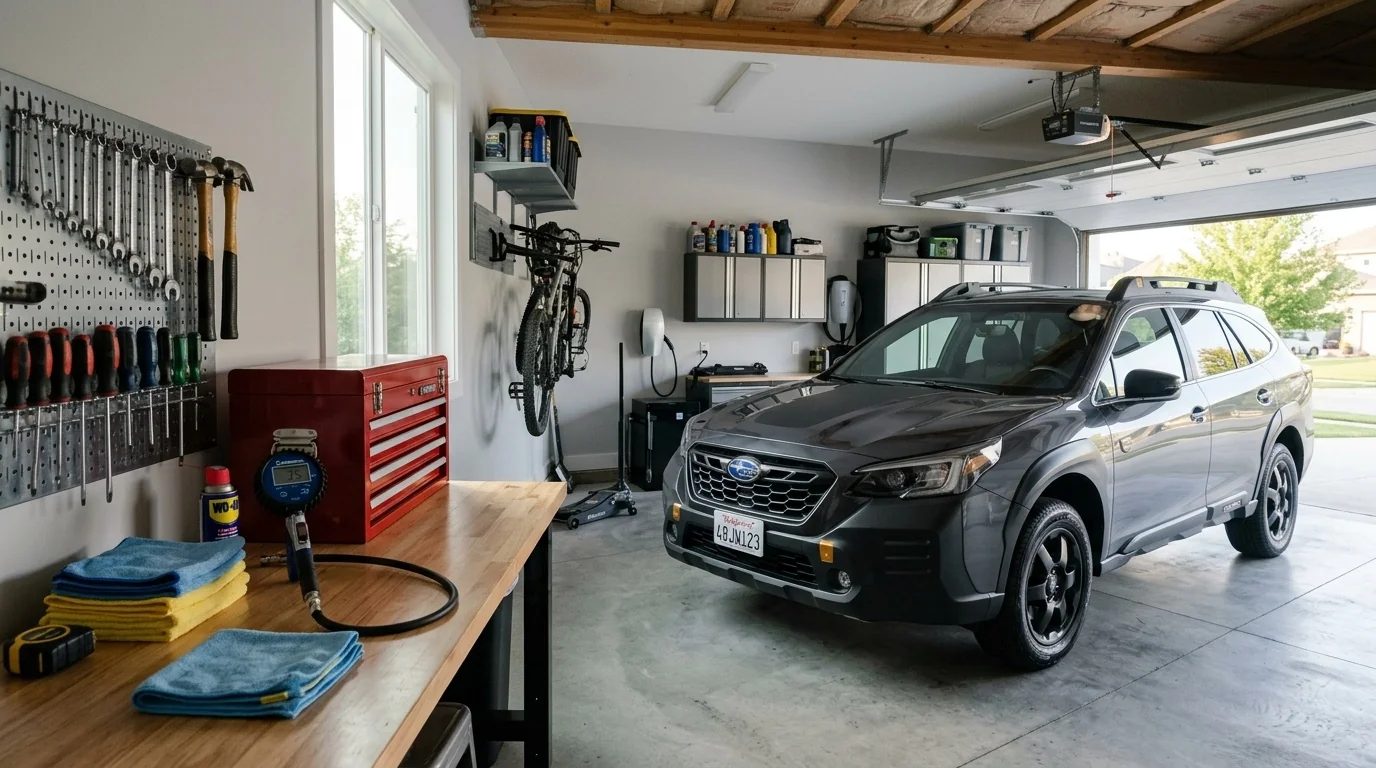
- Fluid Integrity First: Clean fluids are the lifeblood of your engine, transmission, and braking systems.
- Tire Vigilance: Maintaining correct air pressure and routine rotations prevents premature wear and improves fuel efficiency.
- Preventative Savings: Addressing minor leaks or unusual noises immediately prevents cascading mechanical failures.
- Documentation Matters: Keeping a detailed service log significantly boosts resale value and ensures warranty compliance.
The Three Pillars of Modern Vehicle Care
To keep a modern vehicle operating at its peak, you must understand that automotive systems are deeply interconnected. Neglecting one area inevitably places undue strain on another. Effective vehicle care can be broken down into three primary pillars: fluid management, rolling resistance, and electrical health.
1. Fluid Management: The Circulatory System
Fluids are not static; they degrade over time due to heat, pressure, and contamination. Engine oil lubricates moving parts and carries away heat, but its additives break down over thousands of miles. Similarly, transmission fluid, brake fluid, coolant, and power steering fluid require periodic inspection. Dark, gritty, or sweet-smelling fluids indicate contamination or overheating and demand immediate attention.
2. Rolling Resistance: Tires and Suspension
Your tires are the only point of contact between your vehicle and the road. Under-inflated tires increase rolling resistance, which forces your engine to work harder and consume more fuel. Furthermore, poor wheel alignment causes uneven tread wear, forcing you to replace tires prematurely and putting unnecessary stress on suspension components like wheel bearings and ball joints.
3. Electrical Health: The Modern Nervous System
Modern vehicles rely heavily on complex electrical architectures. A weak battery does more than just prevent your car from starting; it can cause alternator strain and trigger erratic sensor readings across your vehicle's onboard computers. Keeping battery terminals clean of corrosion and testing voltage annually ensures your car's digital brain functions flawlessly.
The Preventive Maintenance Timeline
Establishing a structured maintenance schedule is the easiest way to prevent unexpected breakdowns. While you should always consult your vehicle's owner's manual for manufacturer-specific intervals, the table below provides a highly reliable baseline for standard passenger vehicles.
| Interval | Key Inspections & Tasks | Primary Benefit |
|---|---|---|
| Monthly | Check tire pressure, windshield washer fluid, and exterior lights. Look for visual leaks under the car. | Optimizes fuel economy, ensures safety visibility, and catches early fluid leaks. |
| Every 5,000 to 7,500 Miles | Change engine oil and filter; rotate tires; inspect engine air filter and cabin microfilter. | Prevents engine wear, ensures even tire tread wear, and maintains cabin air quality. |
| Bi-Annually (Spring & Autumn) | Inspect wiper blades, test battery health, check coolant strength, and clean battery terminals. | Prepares the vehicle for extreme seasonal temperatures, reducing winter start failures. |
| Annually (or 15,000 Miles) | Inspect brake pads and rotors, check suspension components, and verify wheel alignment. | Maintains predictable stopping distances and prevents steering component failure. |
PRO TIP: When checking your engine oil level, make sure the vehicle is parked on flat, level ground and the engine has been turned off for at least ten minutes. This allows the oil to drain completely back into the oil pan, giving you an accurate dipstick reading. Checking immediately after driving will often result in a false low reading.
Real-World Scenarios: The Cost of Neglect vs. Care
To understand the financial and practical impact of proper vehicle care, let us look at two common scenarios that drivers face every year.
Scenario 1: The Commuter's Neglected Coolant
Sarah used her compact sedan for a daily 40-mile highway commute. Over two years, a tiny hairline crack developed in her radiator hose, causing a slow, nearly invisible coolant weep. Because she never popped her hood to check fluid levels between scheduled oil changes, she didn't notice the reservoir emptying.
One summer afternoon, the car overheated on the highway. By the time she pulled over, the extreme heat had warped the aluminum cylinder head, resulting in a blown head gasket. What could have been a simple $30 hose replacement turned into a devastating $3,200 engine rebuild that left her carless for two weeks.
Scenario 2: The Seasonal Tire Pressure Shift
Marcus lives in a region with cold winters. As temperatures dropped in autumn, the air inside his tires contracted, causing his tire pressure to drop by 6 PSI below the recommended door-jamb sticker. He ignored the low-tire-pressure warning light, assuming it would warm up as he drove.
Driving on under-inflated tires throughout the winter caused the outer edges of the tread to wear down rapidly. Additionally, his stopping distance on wet roads increased by several feet. By spring, his front tires were bald on the shoulders and required immediate replacement, costing him $380 significantly ahead of schedule. Checking and correcting his tire pressure monthly would have cost him nothing but five minutes of his time.
Common Vehicle Care Mistakes to Avoid
- Relying Solely on Dashboard Warning Lights: Dashboard indicators are often lagging metrics. For example, the oil pressure warning light typically illuminates only after oil pressure has already dropped to dangerously low levels, meaning engine damage may already be occurring. Manual inspections are always superior.
- Using the Wrong Fluid Specifications: Modern engines are engineered with incredibly tight tolerances. Using a generic oil viscosity or the wrong type of coolant can degrade internal seals, clog variable valve timing solenoids, and void your manufacturer's warranty. Always refer to your owner's manual for the exact fluid specifications.
- Neglecting the Cabin Air Filter: While many drivers remember the engine air filter, the cabin air filter is often forgotten. A clogged cabin filter strains your heating and air conditioning (HVAC) blower motor and allows pollen, dust, and mold spores to circulate continuously inside the passenger cabin.
Frequently Asked Questions
How often should I really change my engine oil?
While the historic rule of thumb was every 3,000 miles, modern synthetic oils and advanced engine designs have extended this interval. Most modern vehicles can safely go 5,000 to 10,000 miles between oil changes. Always check your manufacturer's recommendations and adjust based on your driving habits; short, stop-and-go trips require more frequent changes than long highway commutes.
Is it safe to wash a warm engine bay?
No, it is best to avoid washing an engine bay while it is hot. Spraying cold water onto hot engine components can cause rapid temperature changes, potentially cracking cast-iron manifolds or damaging delicate electronic sensors. Let the engine cool down completely before using a gentle mist and specialized degreaser.
Why are my brakes squeaking if they still stop the car fine?
Squeaking brakes are often a warning sign. Most brake pads are equipped with small metal wear indicators that emit a high-pitched squeak when the pad material has worn down to a critical level. Ignoring this sound will eventually lead to metal-on-metal contact, ruining your brake rotors and dramatically increasing your stopping distance.
Does premium fuel keep my engine cleaner?
Only if your engine is specifically designed for it. High-octane fuel does not contain "better" cleaning agents than regular fuel; it simply resists pre-detonation (knocking) in high-compression or turbocharged engines. If your owner's manual specifies regular 87-octane fuel, using premium fuel is an unnecessary expense that provides no performance or cleaning benefits.
The Long-Term Payoff of Consistent Care
Vehicle care is not about executing complex mechanical overhauls in your driveway; it is about developing a consistent habit of observation and minor maintenance. By spending just fifteen minutes each month checking fluid levels, inspecting your tires, and listening for unusual sounds, you can catch minor issues before they evolve into catastrophic failures. Ultimately, the time and effort you invest in preventive care will be returned to you tenfold in reliability, safety, and retained vehicle value over the lifetime of your car.