
Modern vehicles are highly sophisticated machines, yet their longevity still relies on fundamental preventive care. Neglecting routine maintenance does more than risk a breakdown; it actively erodes your vehicle's resale value and fuel efficiency. By mastering a proactive maintenance schedule, you can prevent minor wear from cascading into catastrophic mechanical failures.
Key Takeaways
- Follow time, not just mileage: Fluids degrade over time due to oxidation and moisture, even if the vehicle is rarely driven.
- Monitor tire pressure monthly: Correct inflation improves fuel economy, ensures even tread wear, and maintains optimal handling safety.
- Address warning lights early: Diagnostic trouble codes (DTCs) indicate system anomalies before they cause physical damage.
- Maintain detailed records: A comprehensive service history preserves resale value and validates warranty claims.
The Three Pillars of Vehicle Longevity
To keep your vehicle running reliably for hundreds of thousands of miles, you must focus on three core areas: fluid integrity, tire health, and braking systems. When any of these pillars are neglected, performance rapidly deteriorates.
1. Fluid Integrity
Fluids are the lifeblood of your vehicle. They lubricate moving parts, dissipate heat, and transfer hydraulic power. Engine oil is the most critical, but you must also monitor transmission fluid, coolant, brake fluid, and power steering fluid. Over time, these fluids lose their chemical properties, accumulate debris, and become contaminated with moisture. For instance, brake fluid is hygroscopic, meaning it actively absorbs water from the air, which lowers its boiling point and can lead to spongy brake pedal feel or internal system corrosion.
2. Tire Health
Your tires are the only point of contact between your car and the road. Proper maintenance involves maintaining correct air pressure (measured in PSI), regularly rotating tires to ensure even wear, and performing wheel alignments. Misaligned wheels or underinflated tires increase rolling resistance, which forces your engine to work harder and consumes more fuel.
3. Braking Systems
Brake pads are designed to wear down gradually through friction. Inspecting them regularly prevents the friction material from wearing away completely. If pads are left to wear down to the bare metal backing plates, they will gouge the brake rotors, turning a simple pad replacement into a much more expensive repair.
Maintenance Schedules: Time vs. Mileage
Many drivers make the mistake of only servicing their cars when they hit specific mileage milestones. However, time is just as important as mileage. Motor oil, coolant, and rubber belts degrade over time regardless of whether the vehicle is driven or parked in a garage.
To understand how this works in practice, consider these two distinct driving scenarios:
- Scenario A (The Low-Mileage Urban Commuter): Sarah drives her compact hatchback only 4,000 miles a year, mostly on short trips to the grocery store and train station. Because her engine rarely reaches its optimal operating temperature, moisture accumulates in the crankcase and contaminates the motor oil. Waiting for a 10,000-mile interval would take her over two years, causing internal engine corrosion. Instead, she benefits from a time-based interval, changing her oil every six months.
- Scenario B (The High-Mileage Sales Representative): David drives 22,000 miles annually across highway routes. His engine runs hot and clean, meaning his oil degrades primarily from physical shear and heat. He relies on mileage-based intervals and monitors his tire tread depth closely, rotating tires every 6,000 miles to offset the heavy wear on his front axle.
DIY vs. Professional Service
Deciding which maintenance tasks to handle yourself and which to delegate to a certified technician depends on your mechanical experience, tool availability, and safety comfort level.
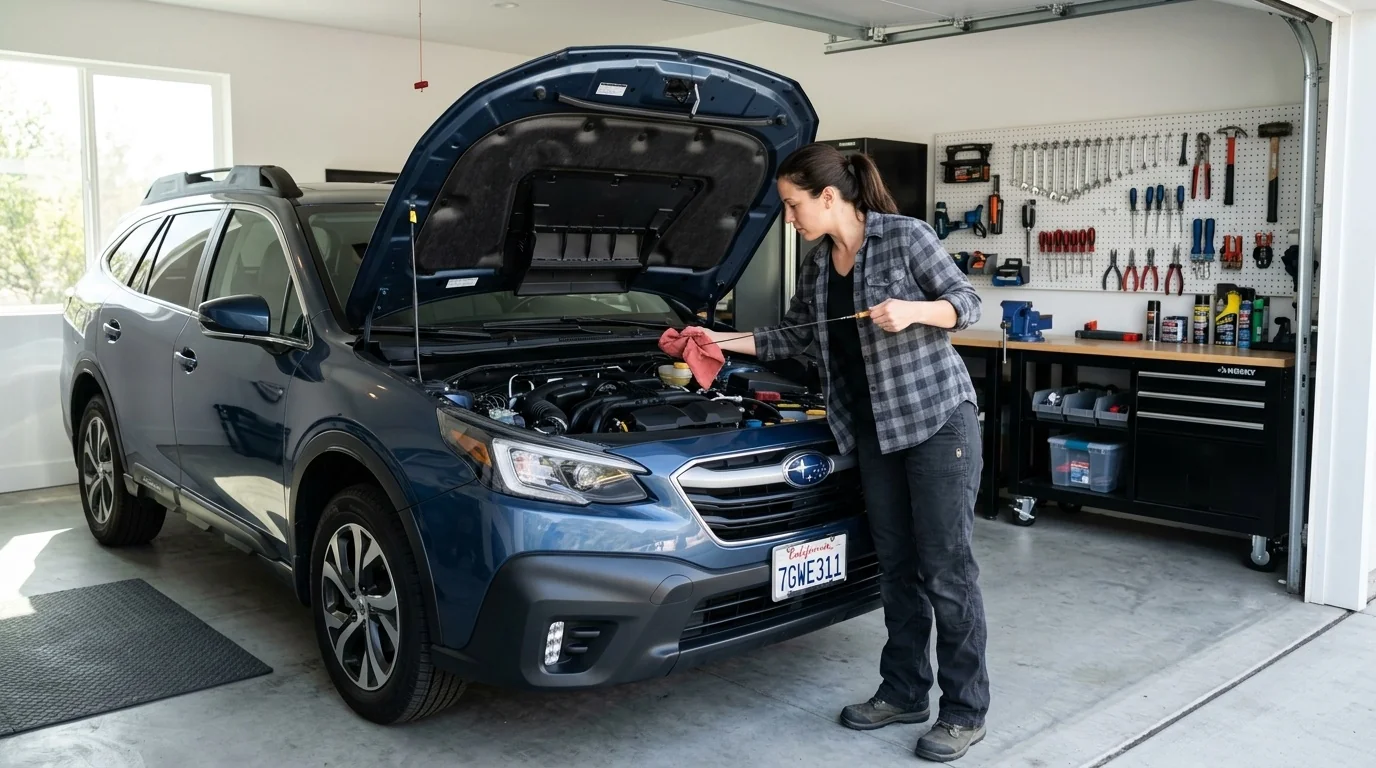
Safe DIY Tasks: Most drivers can easily replace cabin and engine air filters, swap out windshield wiper blades, monitor fluid levels using dipsticks, and check tire pressure with a digital gauge. These tasks require minimal tools and can save you significant dealership markup fees.
Professional Interventions: Complex tasks such as timing belt replacements, transmission fluid flushes, wheel alignments, and diagnostic troubleshooting of electronic control modules should be left to professionals. Modern vehicles rely on intricate electrical networks that require specialized diagnostic scanners to service correctly.
Maintenance Intervals & Cost Estimates
While exact intervals vary by vehicle manufacturer, the table below outlines standard recommendations for modern internal combustion engine vehicles. Always consult your owner's manual for your vehicle's specific requirements.
| Maintenance Task | Typical Interval | Difficulty Level | Est. Cost (Professional) |
|---|---|---|---|
| Engine Oil & Filter Change | 5,000 - 10,000 miles / 6 months | Easy to Medium | $45 - $120 |
| Tire Rotation | 5,000 - 7,500 miles | Medium | $30 - $60 |
| Engine Air Filter Replacement | 15,000 - 30,000 miles | Easy | $25 - $50 |
| Brake Fluid Flush | 20,000 - 45,000 miles / 2 years | Medium to Hard | $90 - $150 |
| Spark Plug Replacement | 60,000 - 100,000 miles | Medium to Hard | $150 - $400 |
Note: Costs vary significantly based on geographic location, vehicle make (luxury vs. economy), and whether you use independent repair shops or franchise dealerships.
Common Maintenance Mistakes to Avoid
Avoiding critical slip-ups can prevent unnecessary repair bills and maintain your vehicle's safety profile:
- Ignoring the TPMS light: The Tire Pressure Monitoring System warning light should never be ignored. Driving on underinflated tires causes excess heat build-up, which can lead to tire blowouts at highway speeds.
- Using incorrect fluids: Modern engines and transmissions are engineered with highly specific tolerances. Using a generic coolant or the wrong viscosity grade of motor oil can cause seals to degrade, voiding your manufacturer warranty.
- Neglecting the cabin air filter: Often forgotten, a clogged cabin air filter restricts airflow through your vehicle's heating and air conditioning system, placing extra strain on the blower motor and causing musty odors.
The Modern Shift: Hybrid and Electric Vehicle Maintenance
As automotive technology shifts, maintenance requirements are changing. Hybrid and battery-electric vehicles (EVs) have fewer moving mechanical components than traditional internal combustion engines, but they are not maintenance-free.
EVs do not require engine oil changes, spark plug replacements, or emissions testing. However, they still require suspension inspections, tire rotations, cabin air filter replacements, and brake fluid flushes. Furthermore, because electric vehicles are significantly heavier than gas cars due to their battery packs, they place higher stress on tires and suspension components, making regular alignment checks and tire pressure monitoring even more critical.
Frequently Asked Questions
How often should I check my engine oil level?
It is best practice to check your engine oil level at least once a month, and always before embarking on a long road trip. Modern cars can burn small amounts of oil between scheduled changes, and waiting for a dashboard warning light to illuminate means your engine is already operating with dangerously low oil levels.
Can I mix different brands of motor oil?
Yes, you can mix different brands of motor oil as long as they feature the exact same viscosity grade (such as 5W-30) and meet the API (American Petroleum Institute) standards specified in your owner's manual. However, it is best to avoid mixing conventional and synthetic oils unless it is an emergency, as this dilutes the performance benefits of the synthetic oil.
Why does my car pull to one side when I let go of the steering wheel?
If your vehicle pulls to one side on a flat, straight road, your wheel alignment is likely off. Potholes, hitting curbs, and normal suspension wear can alter wheel angles. Getting a professional wheel alignment will restore straight-line tracking, prevent uneven tire wear, and improve fuel efficiency.
Is it necessary to warm up my car before driving in the winter?
For modern vehicles built within the last two decades, idling to warm up the engine is unnecessary and wastes fuel. Modern electronic fuel injection systems adjust the fuel mixture instantly. The most effective way to warm up your vehicle is to drive it gently immediately after starting, avoiding heavy acceleration until the temperature gauge reaches its normal operating range.
Actionable Next Steps
The easiest way to transition from reactive repairs to proactive maintenance is to establish a digital or physical logbook. Take five minutes today to locate your vehicle's physical owner's manual or download a PDF copy online. Check your current odometer reading against the manufacturer's recommended service intervals, and schedule any overdue maintenance. By taking control of these small details today, you ensure your vehicle remains safe, efficient, and reliable for years to come.