
Buying a new car is one of the largest financial investments most people make, yet many drivers inadvertently shorten their vehicle's life through deferred maintenance and harsh driving habits. With modern vehicles engineered to easily surpass 200,000 miles when properly cared for, proactive ownership is the ultimate hedge against high depreciation and costly monthly financing. By mastering a few fundamental maintenance principles, you can keep your car running safely, efficiently, and reliably for over a decade.
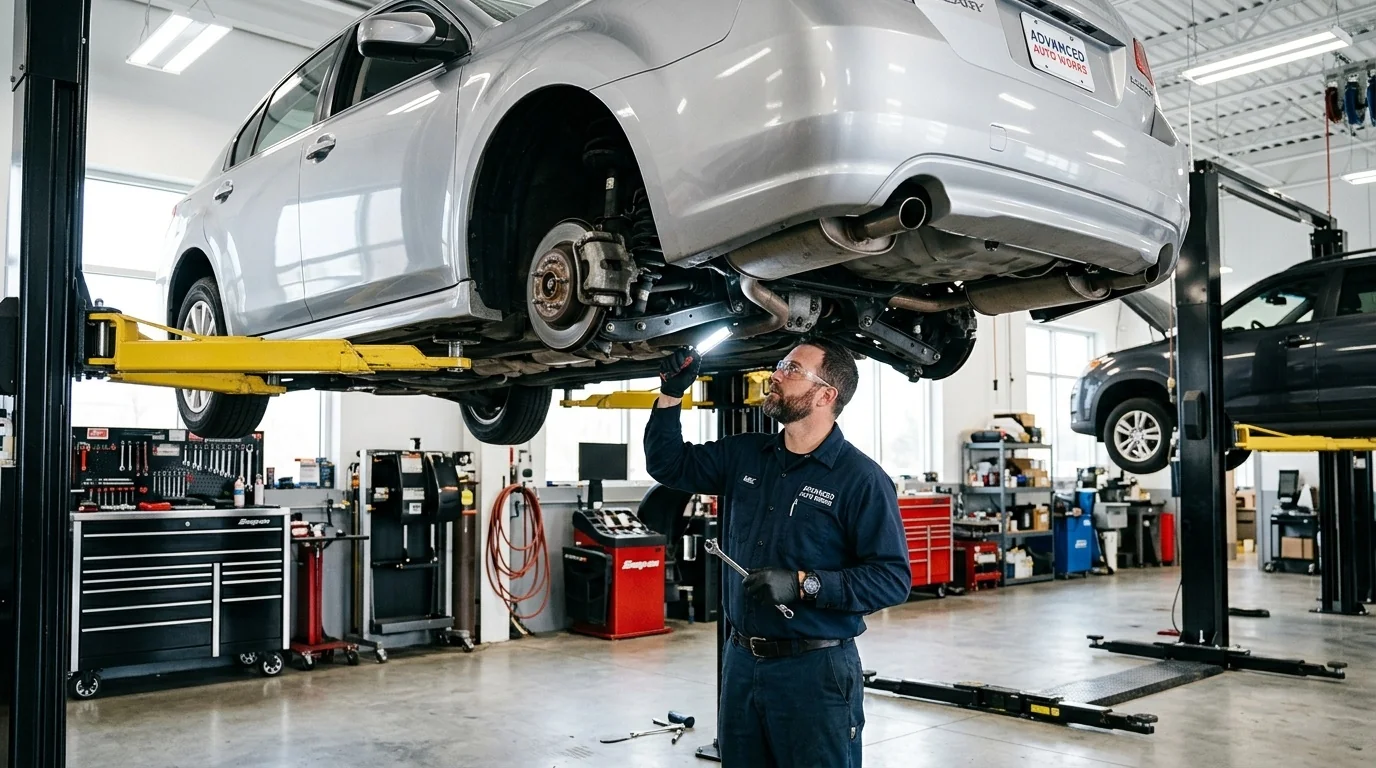
- Fluids are cheap, engines are expensive: Regular fluid changes prevent internal wear and expensive component failures.
- Practice mechanical sympathy: Gentle acceleration, smooth braking, and warming up the engine before hard driving preserve mechanical integrity.
- Address problems early: Small issues, like minor oil leaks or worn bushings, compound into catastrophic failures if left ignored.
- Follow the manual, not marketing: Stick to the manufacturer's severe-duty schedule if you drive in stop-and-go traffic or extreme temperatures.
The Fluid Lifecycle: Preventing Internal Attrition
Fluids are the lifeblood of your vehicle. They reduce friction, dissipate heat, inhibit corrosion, and hydraulicize control systems. Over time, heat and mechanical stress break down these fluids, stripping them of vital protective additives.
Engine Oil and the Myth of the Extended Interval
While modern synthetic oils can physically last 10,000 miles or more, the oil filter and the combustion byproducts suspended in the oil do not share that same longevity. Microscopic carbon particles, unburnt fuel, and moisture accumulate in the crankcase. For drivers who primarily make short trips (under 10 miles), the engine rarely reaches its optimal operating temperature. This prevents moisture from evaporating, leading to acid formation and oil sludge.
The 'Lifetime' Transmission Fluid Trap
Many manufacturers claim their transmissions are sealed for life and require no fluid changes. However, transmission technicians widely agree that changing transmission fluid every 50,000 to 60,000 miles is critical. Overheated transmission fluid loses its viscosity, leading to clutch slippage, harsh shifting, and ultimately, a multi-thousand-dollar rebuild.
PRO TIP: Never flush a high-mileage transmission if the fluid has never been changed and is burnt or black. A simple drain-and-fill is far safer, as high-pressure flushes can dislodge debris and clog the delicate valve body inside the transmission.
Practical Scenarios: How Maintenance Saves Your Engine
To understand the value of preventative care, consider these two real-world operational scenarios:
Scenario 1: The Coolant Neglect. A driver ignores their coolant service for seven years because the car runs fine. Over time, the corrosion inhibitors in the coolant deplete, turning the fluid acidic. This acidic mixture slowly eats away at the water pump impeller and the head gasket. On a hot summer afternoon, the head gasket fails, mixing coolant with engine oil. The repair cost exceeds the book value of the car. Meanwhile, a biannual coolant exchange would have cost less than a tank of fuel.
Scenario 2: The Short-Trip Commuter. A driver commutes five minutes to work daily. Because the engine never reaches full operating temperature, moisture builds up in the oil. This moisture combines with combustion gases to form sulfuric acid, which prematurely wears down the piston rings and cylinder walls. To mitigate this, the driver takes the car on a 30-minute highway drive once a week, allowing the engine oil to reach 212°F (100°C) to boil off the trapped moisture and preserve the engine internals.
The Preventative Maintenance Framework
The table below outlines the critical maintenance intervals that differentiate a car that gives up at 100,000 miles from one that easily sails past 200,000 miles.
| Component | Standard Interval | Severe Service Interval | Consequences of Neglect |
|---|---|---|---|
| Engine Oil & Filter | 7,500 - 10,000 miles | 5,000 miles / 6 months | Sludge buildup, oil consumption, timing chain wear |
| Transmission Fluid | "Lifetime" (Not recommended) | 50,000 - 60,000 miles | Slipping clutches, erratic shifting, total failure |
| Cooling System Flush | 100,000 miles | 60,000 miles / 5 years | Radiator corrosion, water pump failure, blown head gasket |
| Brake Fluid Exchange | 3 years (regardless of mileage) | 2 years | Spongy brake pedal, internal caliper and ABS master cylinder rust |
| Spark Plugs | 100,000 miles | 60,000 - 80,000 miles | Engine misfires, poor fuel economy, catalytic converter damage |
Developing Mechanical Sympathy
How you drive has just as much impact on your vehicle's lifespan as what you do under the hood. Mechanical sympathy is the understanding of how your vehicle works and driving in a way that minimizes stress on its components.
- Avoid immediate heavy acceleration: When you start your car, especially in winter, the oil is cold and thick, resting in the oil pan. It takes up to 30 seconds for the oil pump to pressurize the system and distribute oil to the top of the engine. Drive gently for the first five to ten minutes until the engine reaches full operating temperature.
- Minimize short trips: If your daily routine consists of driving less than two miles at a time, walk or bike when possible. Short trips prevent the exhaust system from heating up enough to burn off condensation, leading to premature exhaust system rust.
- Use your parking brake: Even on automatic transmissions, using the parking brake transfers the weight of the vehicle off the delicate parking pawl inside the transmission and onto the heavy-duty brake assemblies.
Under-the-Radar Areas to Monitor
While engines and transmissions get the most attention, other components can quietly dry-rot or rust away, causing safety issues or rendering the vehicle uneconomical to repair.
Suspension and Bushings
Rubber bushings cushion your ride and keep your suspension aligned. Over time, exposure to road salt, ozone, and heat causes rubber to crack and split. Once a bushing fails, metal-on-metal contact begins, accelerating wear on control arms, ball joints, and tires. Inspect your suspension annually and replace worn components before they ruin your alignment and tires.
Rust Prevention
For drivers in climates where road salt is used in winter, rust is the ultimate car killer. Wash your vehicle regularly during the winter, paying special attention to the undercarriage. Consider applying a high-quality oil- or wax-based undercoating annually to seal out moisture and oxygen, preventing the frame from rotting.
Frequently Asked Questions
Can any modern car realistically last 200,000 miles?
Yes. With modern manufacturing tolerances and high-quality synthetic lubricants, almost any modern passenger vehicle can reach 200,000 miles. The primary limiting factor is rarely the engine itself, but rather owner neglect of secondary systems like the cooling, transmission, and suspension systems.
Is synthetic oil really worth the extra cost?
Absolutely. Synthetic oil resists thermal breakdown far better than conventional mineral oil, flows better in extreme cold, and keeps engine internals cleaner by reducing varnish and sludge buildup. It is one of the most cost-effective investments you can make in your engine's longevity.
Should I warm up my car in the winter before driving?
No. Modern fuel-injected engines only need about 30 seconds of idling to ensure proper oil circulation. In fact, prolonged idling washes oil off the cylinder walls with raw fuel and wastes gasoline. The fastest and safest way to warm up your vehicle is to drive it gently.
How often should I change my cabin and engine air filters?
Engine air filters should generally be inspected every 15,000 miles and replaced if dirty. A clogged engine air filter restricts airflow, forcing the engine to work harder and reducing fuel efficiency. Cabin air filters should be replaced annually to protect your HVAC system and ensure clean air inside the cabin.
The Path to 200,000 Miles and Beyond
Extending your vehicle's lifespan does not require mechanical genius; it requires consistency and attentiveness. By adhering to a rigorous fluid change schedule, practicing mechanical sympathy on the road, and addressing minor issues before they cascade into major failures, you protect your wallet from the cycle of perpetual car payments. Treat your vehicle as an asset to be preserved, and it will reward you with years of trouble-free service.